Tag: china

  • Selective Alignment and Strategic Recalibration: Modi’s Israel Visit

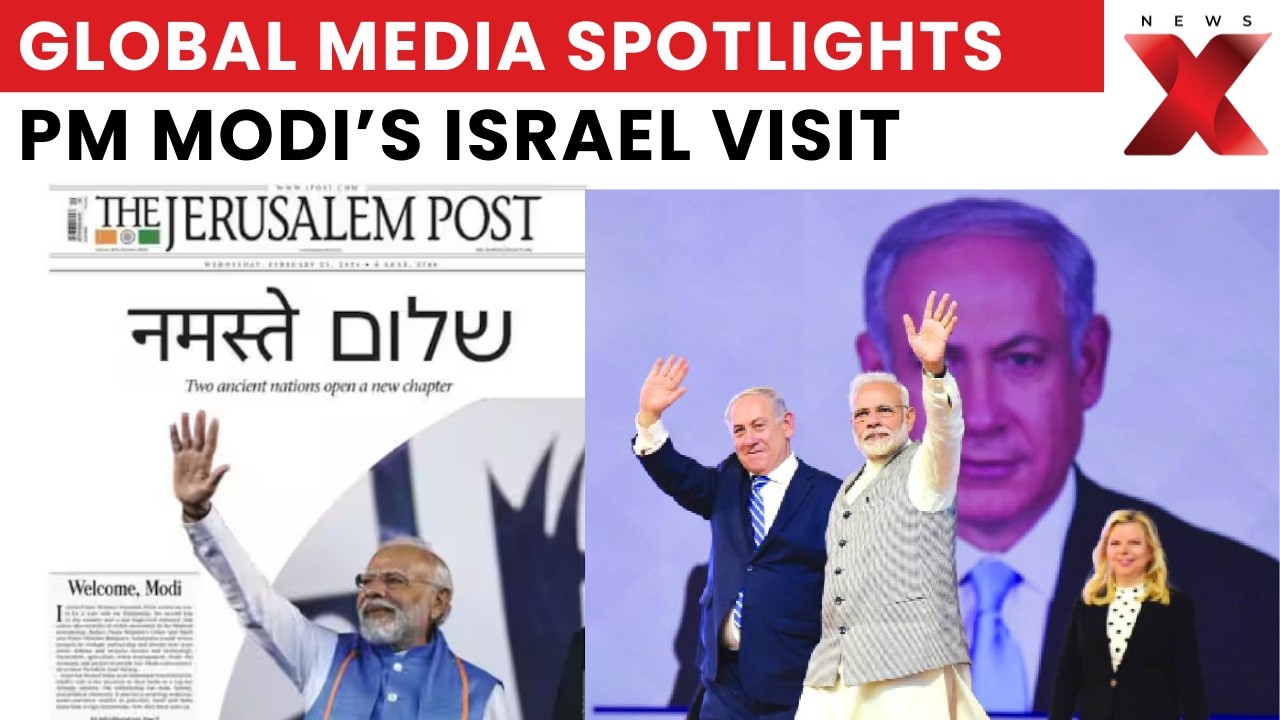
    Prime Minister Narendra Modi’s 2026 visit to Israel marked more than a diplomatic engagement; it signalled a consolidation of India’s strategic recalibration in West Asia, where national interest, geopolitical ambition, and ideological comfort increasingly intersect. By addressing the Knesset and appearing publicly alongside Israeli Prime Minister Benjamin Netanyahu at a time of intense international scrutiny of Israel’s Gaza campaign, Modi underscored that New Delhi’s foreign policy today is anchored in security, technology, and strategic leverage rather than moral symbolism.

    Convergence with US Strategy and Corridor Geopolitics

    India’s growing closeness to Israel aligns in significant ways with broader United States regional objectives. Initiatives such as I2U2 and the India-Middle East-Europe Economic Corridor form part of a new connectivity architecture linking India, the Gulf, Israel, and Europe. These projects are widely viewed as alternatives to China’s Belt and Road Initiative and represent an effort to reconfigure trade and infrastructure flows across West Asia. For Washington, they reinforce a cooperative bloc of technology-driven partners; for India, they advance its ambition to become a central node in global manufacturing and logistics networks. The convergence reflects overlapping strategic incentives rather than simple alignment.

    The corridor dimension is particularly transformative. If realised at scale, the India-Middle East-Europe Economic Corridor could recalibrate trade routes, reduce reliance on traditional chokepoints, bypass Pakistan, and position India centrally within emerging transcontinental supply chains. For Israel, integration into such a corridor strengthens its logistical and geopolitical role as a bridge between Europe and Asia.

    Gaza, Terrorism, and Diplomatic Calibration

    The Gaza conflict formed an unavoidable backdrop. Modi’s unequivocal condemnation of the October 7 Hamas attack during his speech at the Knesset was consistent with India’s long-standing zero-tolerance posture toward terrorism, shaped by its own security challenges. At the same time, he avoided strong public criticism of Israel’s ongoing military campaign. This calibrated messaging reflects India’s decision to prioritise counterterror solidarity and defence cooperation while maintaining rhetorical support for peace and a two-state solution.

    By condemning Hamas in clear terms, New Delhi reinforced its own narrative against cross-border militancy while avoiding diplomatic friction with Israel at a moment of expanding strategic engagement.

    Defence Cooperation and “Sudarshan Chakra”

    Defence cooperation lies at the heart of this partnership. India’s conceptual push toward a multi-layered air defence architecture, often described under the banner of “Mission Sudarshan Chakra,” dovetails with Israeli systems such as Iron Dome, Iron Beam, and the Arrow missile defense system. These battle-tested technologies enhance India’s capacity to counter drones, rockets, cruise missiles, and ballistic threats from both Pakistan and China.

    The cooperation extends beyond procurement to joint development, technology transfer, artificial intelligence integration, cybersecurity collaboration, and space research involving the Indian Space Research Organisation and the Israel Space Agency. For India, the gains are deterrence strength, technological acceleration, and progress toward defence self-reliance.

    For Netanyahu, the optics of a major Asian power standing firmly beside Israel were invaluable. It demonstrated that Israel is not isolated and that influential emerging powers remain willing to deepen ties despite controversy. Modi’s visit offered a counter-narrative to claims of diplomatic marginalisation.

    Ideological Optics and Domestic Political Resonance

    Symbolism played a visible role in shaping domestic optics. Cultural gestures during the welcome ceremony, widely circulated across Israeli and Indian media, reinforced perceptions of ideological comfort between the two leaderships. The Rashtriya Swayamsevak Sangh (RSS), ideological parent of Modi’s Bharatiya Janata Party, has historically expressed admiration for aspects of Jewish nationalism, civilizational revival, and Israel’s security doctrine. The visit feeds into a broader narrative of civilizational confidence and muscular security policy that resonates strongly with the ruling party’s support base.

    Has India Reversed Its Pro-Palestinian Position?

    The central question remains whether India’s historically sympathetic stance toward Palestinians has been completely reversed. The answer is nuanced. India has not formally abandoned its support for a two-state solution, nor has it withdrawn diplomatic recognition of Palestine. It continues to reiterate its commitment to dialogue and peaceful resolution. However, what has changed is the priority structure. Palestine no longer defines India’s West Asia policy.

    However, from a realist perspective, what New Delhi is practising is calibrated self-interest. The distinction between “calibrated pragmatism” and “calibrated self-interest” in India’s current Israel policy is less about contradiction and more about emphasis. In classical diplomatic language, pragmatism implies flexibility guided by national interest while maintaining normative commitments. Self-interest, by contrast, suggests a sharper prioritisation of material and political gains, even if that means diluting earlier moral positions. India’s present approach arguably contains elements of both.

    Will This Shield Modi from Domestic Opposition?

    A crucial dimension is whether this approach protects Modi’s political interests amid criticism from opposition parties. Critics argue that India’s visible proximity to Israel during a humanitarian crisis risks undermining its moral standing and alienating sections of India’s Muslim population. They frame the visit as a departure from India’s historical commitment to anti-colonial solidarity and Global South leadership.

    However, in electoral terms, the strategic framing of the visit may blunt much of this criticism. By emphasising counterterrorism, national security, defence modernisation, and technological advancement, the government situates the Israel relationship within themes that enjoy broad public resonance. For a significant segment of the electorate, strong condemnation of Hamas aligns with India’s own security concerns, while high-technology defence agreements signal preparedness against external threats. In a political landscape where leadership perception and national security credentials carry substantial weight,  imagery can outweigh normative debates for many voters. For now, the strategic and security narrative appears more electorally potent than moral critique.

    Balancing Arab Relations

    India’s relations with Arab states require careful management. The country relies heavily on Gulf nations for energy imports, trade, and remittances from its diaspora. Yet several Gulf governments themselves pursue pragmatic engagement with Israel within broader economic frameworks. Thus far, Arab governments appear to interpret India’s Israel engagement as strategic pragmatism rather than ideological hostility.

    It is clear that India has moved beyond classical non-alignment toward selective alignment driven by sectoral advantage. Israel offers advanced defence technology, innovation ecosystems, and connectivity potential. In return, Israel gains market access, diplomatic legitimacy, and a powerful Asian partner at a moment of global contention.

    India’s sympathy for Palestine has not disappeared, but it has been strategically recalibrated and deprioritised. Whether this recalibration fully insulates Modi from domestic criticism remains contingent on political developments, but in the present context, the alignment appears designed not only to advance strategic interests abroad but also to consolidate political capital at home.
  • India Produces CEOs — So Why Not World-Class Universities?

    India’s higher education system stands at a strange crossroads. It is one of the largest in the world, enrolling more than 40 million students across over a thousand universities and tens of thousands of colleges. Yet, despite this vast scale, no Indian university has entered the top 100 of the QS World University Rankings 2026. The contrast is stark: institutions like the Massachusetts Institute of Technology, Imperial College London, Stanford University, University of Oxford and Harvard University continue to dominate the top positions, while India’s highest-ranked institution remains outside the elite bracket. This is not merely a matter of prestige; it reflects deeper structural weaknesses in research, academic culture, governance and integrity.

    For years, India has witnessed what the Yashpal Committee described as the “mushrooming” of higher educational institutions. The rapid proliferation of private and deemed universities has created an uneven landscape where expansion often precedes quality assurance. While private investment in education is not inherently problematic, the monetisation of degrees and dilution of regulatory scrutiny have led to a system increasingly driven by numbers—student intake, campus size, publication count—rather than substance.

    The obsession with quantity over quality is particularly visible in research. Faculty appraisals, accreditation metrics and institutional branding frequently rely on publication counts. Predictably, this has encouraged the growth of predatory journals, paper mills and unethical authorship practices. India produces a large volume of research output, yet much of it goes unindexed, uncited and unnoticed globally. Academic reputation cannot be manufactured through inflated numbers. It emerges from sustained, rigorous scholarship, peer recognition and intellectual honesty.

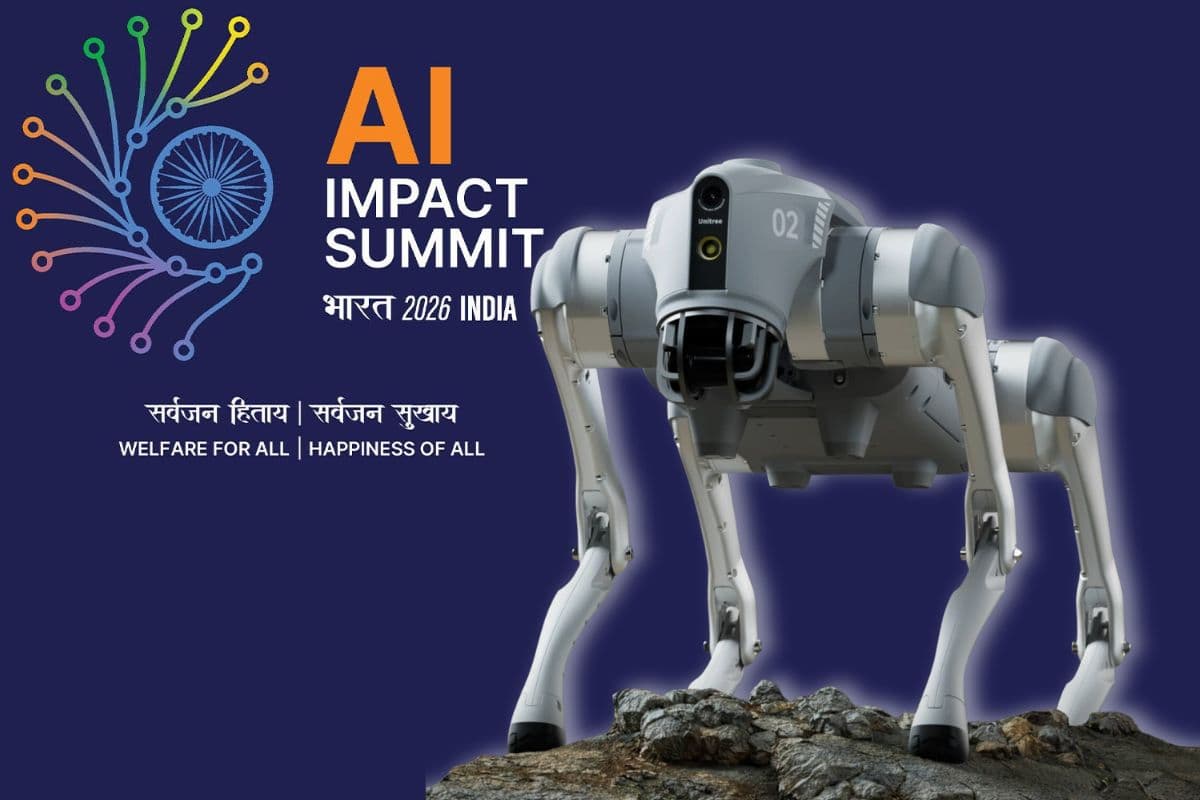
    The events at the 2026 India AI Impact Summit exposed this malaise in dramatic fashion. Galgotias University, a private university based in Greater Noida, showcased a robotic dog named “Orion” and presented it as an in-house innovation developed by its Centre of Excellence. Observers quickly identified the machine as a commercially available Chinese-made Unitree Go2 robot. What was claimed as indigenous innovation turned out to be a rebranded product. Following public backlash, the university was asked to vacate its stall. The episode was not just an embarrassment for the institution; it was emblematic of a deeper crisis in academic integrity.

    This was not merely a case of miscommunication. It reflected a troubling culture of spectacle over substance—where exhibitionism substitutes for research, and branding replaces originality. Even more concerning was that the university holds formal recognition and accreditation. The incident therefore raised uncomfortable questions about regulatory oversight and the credibility of quality assurance mechanisms. If institutions can publicly misrepresent commercial products as research achievements, what does that imply about internal review processes, faculty evaluation systems and research verification standards?

    Such episodes damage more than a single university’s reputation. They undermine confidence in the broader academic ecosystem and cast doubt on the authenticity of innovation emerging from India’s campuses. In a global environment where credibility is paramount, even isolated incidents can have disproportionate consequences.

    The crisis extends beyond private universities. Public institutions, including Delhi University and Jawaharlal Nehru University, often struggle with faculty shortages, regulatory micromanagement and constraints on academic autonomy. Academic excellence thrives on intellectual freedom—the freedom to question, dissent, experiment and critique. Without a protected “Socratic space,” universities risk becoming instruments of conformity rather than engines of innovation.

    The government’s recent push under the National Education Policy 2020 to internationalise higher education, including inviting foreign universities to establish campuses in India, is presented as a corrective measure. The logic is that global competition will raise standards and retain students who otherwise go abroad. While the entry of foreign institutions may offer new opportunities, it cannot substitute for systemic reform. Reputation cannot be imported. Research culture cannot be franchised. Institutional excellence requires long-term investment in faculty, laboratories, research funding and governance transparency.

    India’s research expenditure remains below 1% of GDP, far lower than that of leading knowledge economies. Faculty–student ratios remain unfavourable in many institutions due to mass enrolment without proportional recruitment. Graduate unemployment signals a misalignment between curriculum and employability. International students hesitate to choose India because of inconsistent quality, bureaucratic hurdles and limited post-study opportunities. These are structural challenges that branding exercises or regulatory tweaks cannot solve.

    The fundamental issue is not international rankings; it is credibility. Global citations, academic reputation and foreign student enrolment are outcomes—not starting points. They reflect the underlying health of an academic system. When plagiarism is normalised, when publication quantity outweighs research quality, when political conformity eclipses intellectual autonomy, and when institutions chase spectacle instead of scholarship, rankings merely mirror the reality.

    Yet the paradox persists. India has outstanding institutions like the Indian Institutes of Technology, Jawaharlal Nehru University, the Indian School of Business and the Delhi School of Economics. It has produced global leaders such as Satya Nadella and Sundar Pichai. If such excellence exists, why does the overall system still struggle to match the standards of leading universities abroad?

    The answer lies not in individual brilliance but in systemic structure. India has islands of excellence, not a uniformly strong academic ocean. Elite institutions admit the top fraction of students through fiercely competitive examinations. They function well because they select exceptional talent, attract relatively stronger faculty and receive better visibility and funding. But the broader ecosystem—thousands of universities and colleges—does not operate at that level. Global standards are determined by depth across tiers, not by a handful of elite outliers.

    The global success of figures like Nadella and Pichai reflects the strength of Indian talent. But their achievements were shaped by exposure to advanced research ecosystems, institutional autonomy and well-funded innovation environments abroad. Brilliant individuals can emerge from imperfect systems. Sustainable global academic reputation, however, requires robust institutions—equipped with research funding, intellectual freedom, ethical discipline and long-term vision.

    The Galgotias episode should therefore be read as a warning, not an anomaly. It illustrates what happens when numbers overshadow knowledge and image overshadows inquiry. If India aspires to become a genuine global education hub by 2047, as policy frameworks suggest, it must first address the foundations. Quality must precede quantity. Autonomy must accompany accountability. Research must value impact over volume. And merit must prevail over spectacle.

    There is no shortcut to academic reputation. It cannot be engineered through branding or borrowed prestige. It must be built patiently, through integrity, intellectual courage and sustained investment. Only then will India’s vast educational system match the brilliance of its people.

  • From Visakhapatnam to the World: India’s High-Stakes AI Gamble

    At the AI Impact Summit in New Delhi, Prime Minister Narendra Modi unveiled what he called the M.A.N.A.V. vision for artificial intelligence — moral, accountable, national, accessible and valid. It was a speech rich in symbolism and strategic intent. India, he argued, does not fear AI; it sees opportunity. It does not seek dominance; it seeks democratization. It does not want technological colonialism; it wants sovereignty with inclusivity.

    On stage were leaders such as Emmanuel Macron and Luiz Inácio Lula da Silva, alongside technology executives including Sundar Pichai and Sam Altman. The optics were deliberate. India was positioning itself as the democratic voice in an AI world increasingly defined by American corporate power and Chinese state-driven industrial strategy.

    Pichai, in particular, added a layer of emotional symbolism. Recalling his student days, he said he often took the Coromandel Express from Chennai to IIT Kharagpur, passing through Visakhapatnam — then “a quiet and modest coastal city brimming with potential.” “I never imagined Visakhapatnam would become a global AI hub,” he said. Today, he announced, Google’s full-stack AI hub in that very city as part of its $15 billion investment in India — housing gigawatt-scale compute and a new international sub sea cable gateway would deliver jobs and cutting-edge AI capabilities across the country.

    The message was powerful: global capital validating India’s AI rise. Yet the summit also exposed the widening gap between hype and structural reality.

    India today is one of the largest AI user markets in the world. Its 1.4 billion citizens rely deeply on digital infrastructure provided by foreign platforms — primarily Google, Microsoft and Meta. It is difficult to imagine the economic and social paralysis that would follow if YouTube, Android services, cloud infrastructure or major social media platforms were suddenly withdrawn. India is among their largest markets, generating billions in advertising, subscription and data-driven revenues. Yet the core technological layers — GPUs, advanced semiconductors, frontier models — remain largely outside Indian ownership.

    This dependency has prompted calls for more aggressive policy responses. One suggestion gaining quiet traction is the idea of a stronger digital tax regime. If India does not own the GPUs, the chips or the core models, the argument goes, it must at least capture a fair share of the value generated from its data and user base. A digital tax could be framed not as protectionism, but as reinvestment capital — a mechanism to fund domestic compute clusters, semiconductor initiatives and sovereign research programs.

    The contrast with China is frequently invoked in this debate. Beijing did not allow American search engines and social networks to dominate its domestic market during the first wave of the internet revolution. It built domestic equivalents and protected them through regulatory firewalls. In the current AI wave, China has again pursued vertical integration — investing in rare earth supply chains, semiconductor fabrication, data centers and foundational AI research. Companies such as Unitree Robotics, whose Unitree Go2 robotic dog was controversially displayed at the summit expo under the label “Orion,” represent not merely startups but components of a broader industrial strategy.

    India’s model has been different — open markets, global integration, and a focus on services and SaaS. But SaaS dominance in a pre-AI era may not guarantee relevance in a post-AI world. As generative AI begins to automate coding, workflow management and enterprise solutions, many application-layer companies face margin compression. Unlike China with ByteDance’s TikTok or the United States with YouTube, India does not possess a globally dominant consumer tech brand at comparable scale. Its strength has been backend services, not platform ownership. If AI collapses the value of application wrappers built atop foreign models, India’s current comparative advantage could narrow significantly.

    Another structural vulnerability is brain drain. A disproportionate number of leading AI researchers and engineers of Indian origin work in American firms and research labs. While this diaspora influence enhances India’s soft power, it also reflects a domestic ecosystem that has not yet retained frontier talent at scale. When the core breakthroughs happen in Silicon Valley rather than Bengaluru, sovereignty becomes aspirational rather than operational.

    These tensions surfaced dramatically in the controversy surrounding the summit expo. The Opposition Leader Rahul Gandhi described the event as a “disorganised PR spectacle,” accusing the government of allowing Indian data to be showcased while Chinese hardware was presented as domestic innovation. He argued that instead of leveraging India’s talent and data power, the government had reduced AI to optics, even inviting mockery from foreign media. Whether exaggerated or not, the symbolism was politically potent: in a domain framed around sovereignty, authenticity matters.

    Yet dismissing the summit entirely as spectacle would also be simplistic. India does possess foundational assets that few nations can match: scale, digital public infrastructure, a vast multilingual dataset, and geopolitical positioning between the United States and China. Aadhaar-linked systems, UPI’s payments architecture and digital governance layers create a test-bed environment for AI deployment at population scale. Few democracies can integrate AI into welfare delivery, financial inclusion and public services as rapidly.

    The central question, then, is not whether India is leading AI today. It clearly does not control the foundational layers at the scale of the United States or China. Nor does it have the industrial depth that Beijing built over decades through coordinated state policy. The real question is whether India can convert its demographic scale and digital footprint into long-term technological autonomy.

    Modi’s MANAV framework articulates a moral and strategic ambition — sovereignty without isolation, democratization without dependency. Pichai’s Visakhapatnam announcement underscores both the promise and the paradox: global investment flowing in, yet foundational infrastructure still foreign-owned. Sovereignty in AI is measured not by summit declarations, but by ownership of compute, chips, research and platforms. If India remains reliant on American cloud infrastructure and imported GPUs, the rhetoric of independence will face credibility tests. If domestic initiatives — semiconductor manufacturing, sovereign language models, and public-private R&D collaborations — scale meaningfully, the narrative could solidify into substance.

    Hype is not inherently deceptive; it is often a political tool to mobilize investment and confidence. But hype must be matched with institutional follow-through. A digital tax regime, serious capital infusion into domestic compute, retention of AI talent, and creation of globally competitive consumer platforms would signal that the ambition is structural, not symbolic.

    India stands at an inflection point. It can continue as the world’s largest AI user market — influential, visible and profitable for foreign firms — or it can leverage this moment to deepen industrial capacity and strategic autonomy. The MANAV speech set the tone. The coming decade will determine whether it becomes a blueprint for sovereignty or a chapter in political theatre.

  • India’s Uneasy Balancing Act in the Trump Era

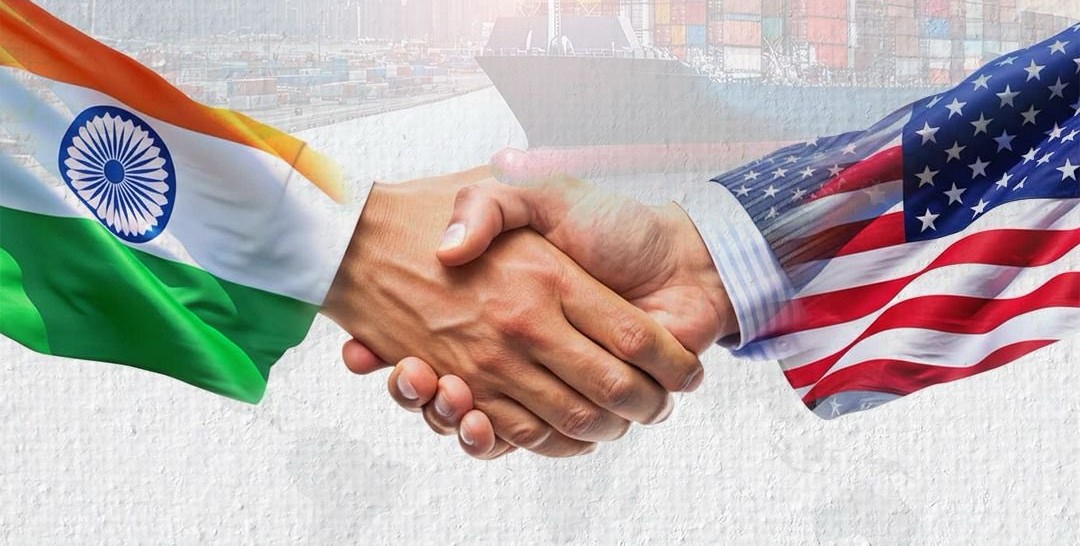
    A close reading of the India–US agreement makes it evident that New Delhi is unwilling to treat US President Donald Trump as an adversary. Keen to prevent any further deterioration in bilateral relations, India appears to have adopted a cautious and conciliatory approach. The United States has already imposed tariffs of up to 50% on Indian exports, severely impacting textiles, jewellery, engineering goods and chemicals. India’s trade deficit is widening, and a series of unilateral statements by Trump have pushed Prime Minister Narendra Modi into a defensive posture at home, where he faces questions he is increasingly unable to answer. This appears to have prompted efforts to placate the US President.

    Two months ago, US Senator Lindsey Graham, a close ally of Trump, told reporters aboard Air Force One that Indian Ambassador Vinay Kwatra had met him, conveyed that India had reduced oil imports from Russia, and urged him to persuade Trump to lower tariffs. Trump, standing beside him, warned that unless India completely stopped purchasing Russian oil, matters could worsen. “India wants to make me happy. Modi is a good man. He knows I’m not happy — and making me happy is very important. If India doesn’t help on the Russian oil issue, tariffs could be increased,” Trump said. The warning came shortly after the US attack on Venezuela, highlighting the pressure India was facing.

    Why should a US President certify India’s Prime Minister? Why should India align its policies to suit Washington’s preferences? Why should Modi seek to “please” Trump? These are questions India appears unwilling — or unprepared — to raise. Despite being larger than the European Union in scale, India does not seem ready to assert that it fears no one and can independently determine its foreign policy and internal security priorities. The ideals of non-alignment and strategic autonomy appear absent from current decision-making.

    At an RSS event marking its centenary year on Saturday, RSS chief Mohan Bhagwat underscored that while economic interdependence among nations is a reality, it must be voluntary and not driven by coercion. He cautioned against decisions imposed through trade wars and tariff pressure, arguing that international trade should be guided by a country’s free will. Agreements, he said, should not be entered into out of helplessness. He clarified that Swadeshi does not mean isolation or a blanket ban on imports.

    Against this backdrop, attention has turned to what Bhagwat may say about the recently announced draft India–US agreement. Many observers suspect the deal was not concluded on equal terms. Notably, even before the draft was officially announced, Trump unilaterally disclosed its details in a Truth Social post, stating that India would stop buying Russian oil and instead source oil from Venezuela. Prime Minister Modi promptly endorsed the announcement and expressed satisfaction, later being felicitated at an NDA meeting.

    Subsequently, US Trade Representative Jamieson Greer and Agriculture Secretary Brooke Rollins outlined the agreement’s details. Only thereafter did Commerce Minister Piyush Goyal address the issue, stating that Modi had leveraged his personal friendship with Trump to secure a favourable deal. Critics argue this framing overlooks the fact that agreements are concluded between nations, not individuals. It is India’s 1.4-billion-strong market that gives it negotiating strength — not personal rapport. After all, the India–US civil nuclear agreement was not a personal arrangement between Manmohan Singh and George W. Bush.

    Even with Trump reducing tariffs to 18%, questions remain about the deal’s benefits. Prior to July 2025, Indian exports to the US faced an average tariff of just 3%. The new rate represents a sixfold increase in less than a year. Meanwhile, India has reduced tariffs on American products such as Harley-Davidson motorcycles and several alcoholic beverages. Though US goods earlier faced tariffs averaging around 15% in India, these duties will now be eliminated.

    Goyal claimed the agreement would open the $30 trillion US market to Indian exporters, benefiting MSMEs, farmers and fishermen, and generating millions of jobs for women and youth. However, he avoided questions on the reported halt to Russian oil imports. External Affairs Ministry spokesperson Randhir Jaiswal maintained that India accords the highest priority to the energy security of its 1.4 billion citizens.

    Under the agreement, American products will enter India at zero tariffs, while the US will impose an 18% duty on Indian textiles, garments, leather, footwear, plastic and rubber goods, organic chemicals and select machinery. Generic pharmaceuticals, gems and jewellery, diamonds and aircraft parts will be exempt. India has committed to purchasing $500 billion worth of US goods, but the agreement does not specify reciprocal US purchases from India.

    The Congress party criticised the deal, alleging it was unequal and that India had opened its agricultural market to the US at zero tariffs. Congress spokesperson Pawan Khera described it as “Narender Surrender,” claiming it would enable dumping of American goods in India. Former Finance Minister P. Chidambaram said the agreement appeared heavily tilted in Washington’s favour, while former Union Minister Jairam Ramesh warned that India’s imports from the US could triple, erasing its long-standing trade surplus.

    Whether the government’s claims or the opposition’s criticism prove accurate remains to be seen.

    Meanwhile, there is little indication of any softening in the US stance on visa issues affecting Indians. Trump has significantly tightened visa norms, causing hardship for Indian professionals reliant on H-1B visas and for Indian students. Visa renewals now take years, and it remains unclear whether the Prime Minister’s much-touted personal rapport with Trump will yield any relief.

    The economic and political consequences of the India–US agreement, many argue, are likely to be far-reaching.

  • Air Pollution Outside, Political Pollution Within: India’s Twin Crises

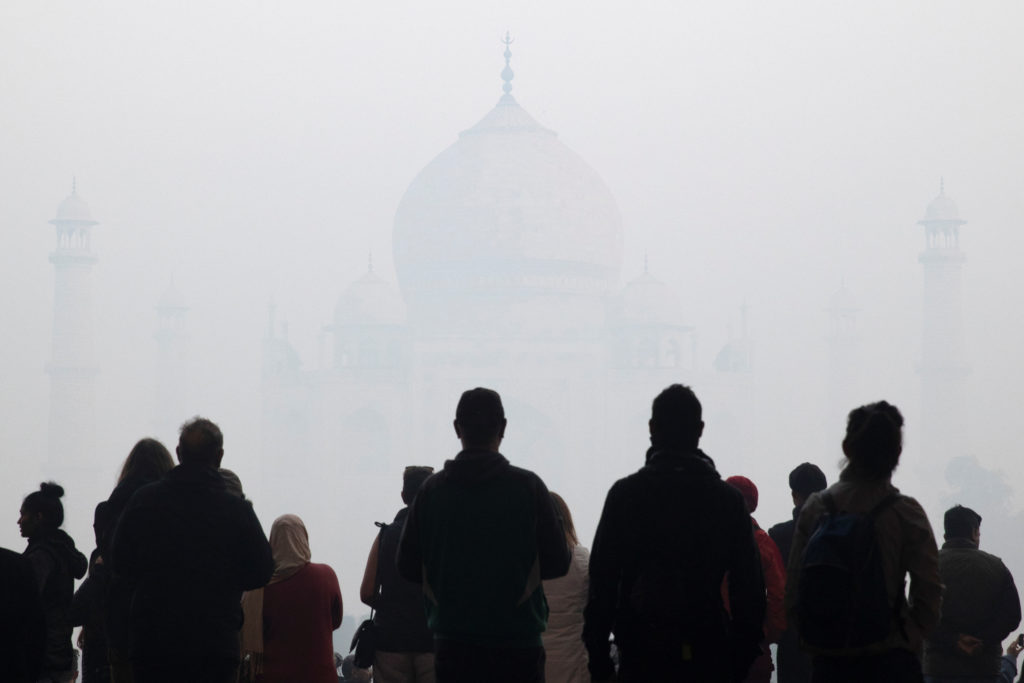
    Air pollution has engulfed India’s national capital. What were once winter mornings marked by dew on leaves are now defined by thick smog. At daybreak, a chemical sting in the eyes and persistent coughing have become routine. Although the Air Quality Index (AQI), which exceeded 300 during November and December, may have declined to around 260 by the end of January, daily life in Delhi remains severely affected.

    Beyond the toxic air outside Parliament, the atmosphere within appears no less suffocating. In both Houses, heated confrontations between the ruling party and the opposition have created a climate of near-constant disruption. Prime Minister Narendra Modi did not attend the Lok Sabha to respond to the debate on the motion thanking the President for her address, but he did speak in the Rajya Sabha, launching familiar attacks on the Congress. As he has often done, Modi traced the party’s alleged failures back to the Indira Gandhi era, accused the opposition of seeking his political demise, and charged it with disrespecting Dalits and Sikhs. The speech bore a closer resemblance to an election rally than a parliamentary response. Few leaders in India match Modi’s effectiveness as a political orator—a point even his critics concede.

    The government has attempted to sidestep discussion of a book written by former Army Chief General Manoj Naravane, but the opposition appears determined to keep the issue alive. The debate on the President’s address ended amid disorder, and there are signs that the upcoming Budget discussion may face similar disruptions. Meanwhile, Commerce Minister Piyush Goyal has said an India–US trade agreement could be finalized within days. Whether India has made significant concessions will only become clear once the details are released. Politically, the agreement represents another test for Modi, even as his opponents watch closely for potential revelations from the so-called Epstein files.

    At the World Economic Forum, IMF Chief Economist Gita Gopinath underscored a more fundamental challenge. She said air pollution poses a far greater threat to India’s economy than US tariffs on Indian goods. Gopinath noted that air pollution causes an estimated 1.7 million deaths annually and discourages foreign investment. She warned that the resulting health costs, premature deaths, and productivity losses could reduce India’s GDP by as much as 9.5 percent. India’s Commerce Minister Ashwini Vaishnaw, who was present at the forum, offered no public response.

    These concerns are echoed within India’s own policy establishment. The National Institute of Public Finance and Policy (NIPFP) has described air pollution as a failure of government policy and an ongoing public health emergency. Economist Lekha Chakraborty has pointed to rising cases of severe respiratory illness in public hospitals, increasing health expenditures, and declining labor force participation—all of which weigh on economic growth. Air pollution, she argues, is not an unavoidable risk but a solvable problem. Yet it continues to reflect governance shortcomings. Despite India’s claims of leadership in environmental economic federalism, implementation remains weak.

    China’s experience offers a contrast. Both India and China enacted environmental laws around 2000, but China followed up with sustained, long-term action. It invested heavily in pollution-control technologies, shut down thousands of obsolete and highly polluting industrial units, and aggressively promoted electric vehicles. China’s progress demonstrates what political will and consistent policy execution can achieve.

    India today faces two parallel forms of pollution—one in its air, and the other in its politics. Leaders appear more invested in applause, spectacle, and rhetoric than in effective governance that delivers tangible improvements to citizens’ lives.