Tag: Congress

  • How long will these unethical politics continue?

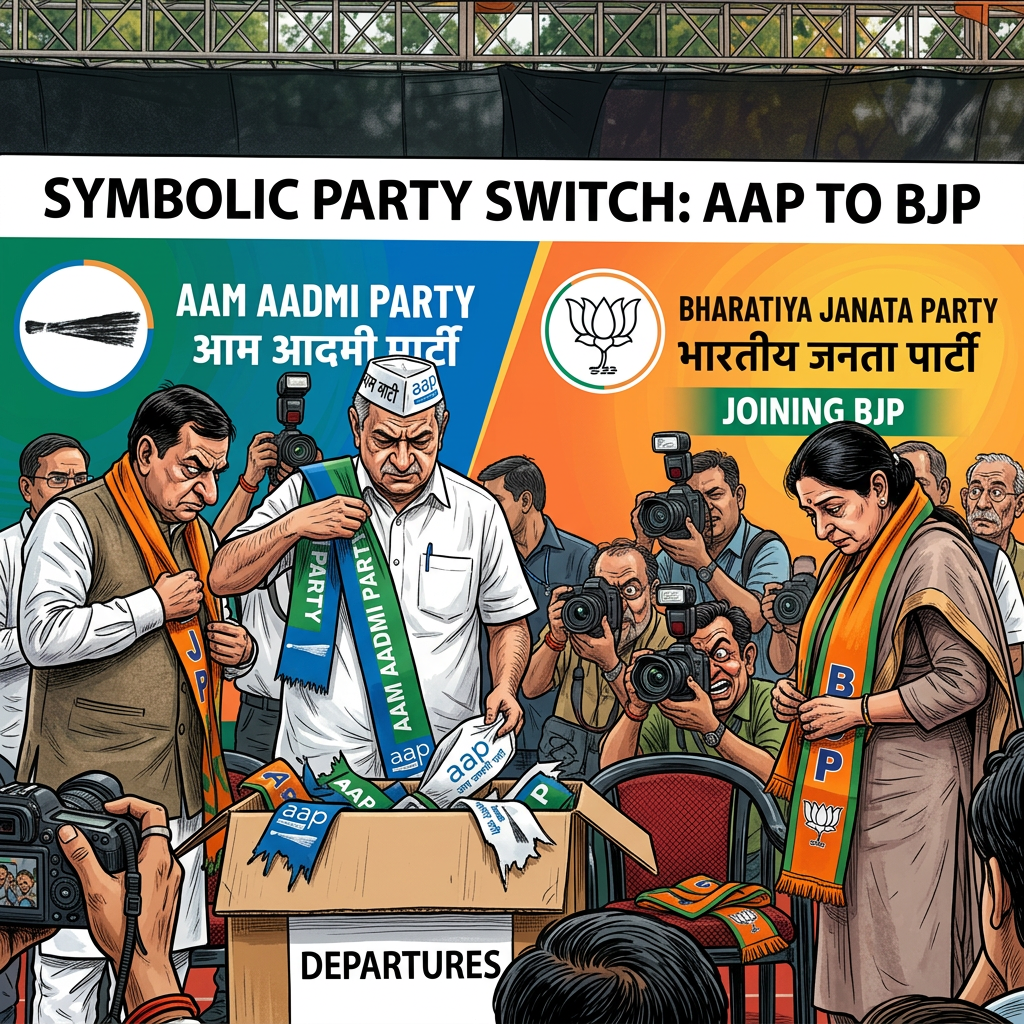
    Leaders exchanging party scarves during symbolic switch from AAP to BJP
    Leaders symbolically switch from Aam Aadmi Party to Bharatiya Janata Party

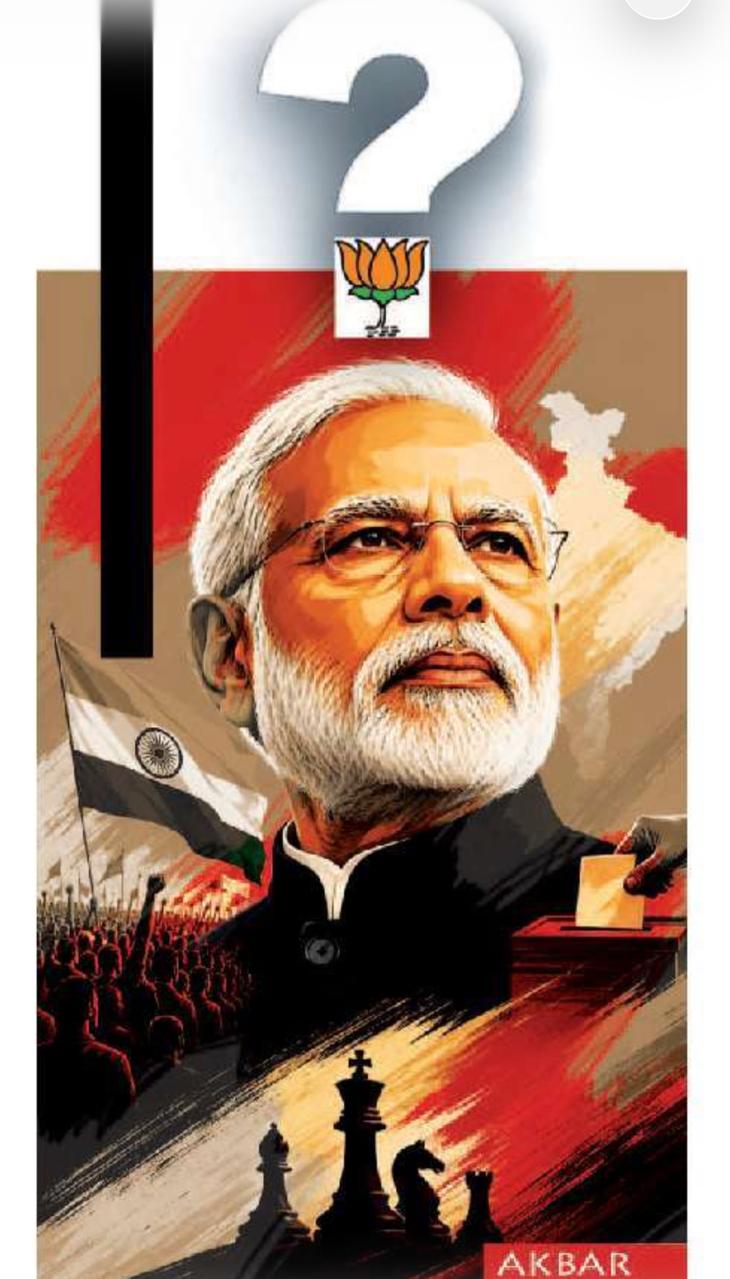
    On the last day of the election campaign, Prime Minister Narendra Modi confidently declared, “After May 4, I will have to come to Bengal once again for the swearing-in ceremony of a BJP government.” He expressed confidence that “after Odisha and Bihar, the lotus will bloom in Bengal.” The Election Commission has deployed CAPF forces across Bengal. Union Home Minister Amit Shah said, “Even after the elections are over, these forces will remain in Bengal for another two months.”

    While Modi’s campaign efforts aim to attract the masses, especially women voters, Amit Shah, who stayed in Bengal for 15 days, is an expert strategist working at a micro level. This leadership duo prepares meticulous strategies well in advance to win a state. They craft narratives necessary for victory, employ all possible tactics—persuasion, incentives, division, and force—and make use of every system available. With 250,000 security personnel, Bengal has been turned into a battleground. Even after all this, can the BJP come to power in Bengal? If people desire change, if Hindu voters consolidate, if women support in large numbers, and if institutions fully cooperate, BJP’s victory is certain. However, if the people of Bengal view Mamata Banerjee as a symbol of their identity and resist Hindutva influence, the Trinamool Congress will return to power for a fourth consecutive term.

    In reality, even the Congress party under Rahul Gandhi does not want Mamata Banerjee to win in Bengal. When the Women’s Reservation Bill was collectively opposed in Parliament by the INDIA alliance, Trinamool supported it. The very next day, Rahul Gandhi toured Bengal and sharply criticized Mamata Banerjee’s corrupt governance. He argued that her policies are responsible for the consolidation of Hindu voters. While leaders like Tejashwi Yadav and Jharkhand Chief Minister Hemant Soren campaigned in her support, Congress and the Left parties strongly criticized her. This approach not only exposes divisions within the INDIA alliance but may also benefit the BJP to some extent. As Venkaiah Naidu once described, Congress behaves like “friendship in Delhi, wrestling in the streets.” While the BJP unites forces at both national and regional levels under the NDA, Congress has failed to build a strong coalition capable of challenging BJP across the country, highlighting its weakness.

    Not just with Mamata Banerjee, but even in the case of Kejriwal, Congress follows a similar approach. There are reasons for this, but it also reflects how independent regional parties in the country are becoming isolated and forced into defensive positions.

    Even as the Bengal elections are underway, a significant development is that seven Aam Aadmi Party MPs have joined the BJP. What does this indicate? Even before the current assembly battles conclude, BJP leaders have turned their attention to Punjab, where elections are due in eight months. Considering the growing anti-incumbency against the AAP government there, BJP seems to have devised a strong strategy to strengthen itself in the state. Though there are allegations that leaders like Raghav Chadha were pressured and others intimidated using ED and CBI cases, Kejriwal’s leadership style has also contributed to this situation. BJP is making every effort to weaken AAP, a one-man party, both in Punjab and Delhi, and to draw its leaders into their fold. This reflects BJP’s political strategy—using every possible tool to assert dominance and weaken opposition parties.

    The way AAP handled Rajya Sabha seats also contributed to this moral decline. Selling seats and later intimidating or re-buying those who purchased them is not difficult. By sidelining people like Yogendra Yadav, Prashant Bhushan, Ashutosh, and Shazia Ilmi and elevating industrialists and millionaires instead, AAP weakened itself morally. In contrast, Mamata’s party, though regional, sent individuals like journalist Sagarika Ghose, lawyer Menaka Guruswamy, and marginalized representative Mamata Bala Thakur to the Rajya Sabha. Similarly, CPI(M) sent journalist John Brittas from Kerala. Can BJP lure such individuals? This episode shows how carefully regional parties must choose whom they send to Parliament.

    The fact that seven AAP MPs left their party overnight to join another highlights how degraded Indian politics has become. Leaders like Raghav Chadha, who once labeled BJP as a party using agencies like CBI and ED as tools of intimidation, and Ashok Mittal, now joining BJP, what message are they sending? Are parliamentary seats being expanded just to accommodate such leaders? Rajya Sabha MPs are not directly elected by the people but chosen by party MLAs. When those MLAs remain in the same party, how is it legal for MPs to defect? The current anti-defection law appears not to prevent defections but to enable them through loopholes.

    When ideological commitment and political ethics are abandoned for selfish gains, can other systems remain unaffected? Recently, former U.S. President Trump calling India a “hellhole” was completely inappropriate. His remark recalls Russian writer Alexander Kuprin’s novel “The Pit,” which exposed prostitution. Kuprin’s observation—that systems often promote the very evils they claim to prevent—applies equally to the anti-defection law. The provision for “merger” within the law creates room for legal defections. The law mentions party merger but not parliamentary party merger. How can a parliamentary party be considered the real party? The Supreme Court’s constitutional bench in the Eknath Shinde case ruled that legislative or parliamentary parties cannot act independently of the political party’s stance. Should this not apply to the AAP MPs’ merger? As early as 2003, the Supreme Court clarified that defining a parliamentary party as the real party would render the Tenth Schedule meaningless. However, in 2019, the Bombay High Court’s Goa bench ruled differently, validating Congress defections as mergers. The Supreme Court’s delay in hearing the appeal rendered it irrelevant, as the assembly term ended and fresh elections were held in 2022. Now, it remains uncertain when the Supreme Court will address the petition challenging AAP’s merger into BJP in the Rajya Sabha.

    The BJP government claims to enact useful laws for the country, but why does it not introduce a law to curb unethical political defections? Until such a law is enacted, MPs and MLAs will continue defecting at will. BJP, which claims to be different, is behaving no differently from Congress, which once popularized the “Aaya Ram, Gaya Ram” culture. Its focus remains on winning elections and expanding nationwide rather than fostering ethical political values. It was Congress’s past mistakes that led people to embrace BJP. For years, people supported BJP despite its flaws, keeping Congress’s misdeeds in mind. However, just as medicine has an expiry date, political support too has a time limit. Until recently, Raghav Chadha enjoyed immense popularity on social media, but after joining BJP, over two million people distanced themselves from him. Once leaders begin to decline morally, it does not take long for people to see them as corrupt.

  • “Between Inclusiveness and Centralization: The RSS at a Crossroads”

    What direction does Mohan Bhagwat’s idea of “Sarvesham Avirodhena” — accepting everyone without opposition — suggest for India? The question has gained renewed relevance as the Rashtriya Swayamsevak Sangh (RSS) enters its centenary phase and its chief addresses diverse audiences across the country. His meetings are drawing an unusually wide cross-section of society. Academics, doctors, lawyers, business leaders, artists, poets, writers, sportspersons, actors, media professionals, former judges, and representatives of voluntary organizations have attended his interactions. Even individuals who once sharply criticized the RSS, as well as those who earlier remained neutral, are now seen at these gatherings. In Mumbai, prominent film personalities were present to listen to him, and in Hyderabad even left-leaning participants attended his address. The sheer diversity of attendees has itself become a subject of discussion, raising questions about whether this reflects ideological curiosity, political pragmatism, or a broader search for direction in uncertain times.

    “Accepting everyone without opposition” implies social harmony that transcends divisions of religion, caste, language, and class. It suggests that minorities are partners in the national journey rather than adversaries, that ideological diversity is natural in a plural society, and that the strength of the nation ultimately rests on the character and discipline of its citizens. Within the RSS framework, this aligns with its long-standing objective of organizing Hindu society. At the same time, Bhagwat has acknowledged that certain earlier hardline positions — particularly some formulations associated with M. S. Golwalkar’s book Bunch of Thoughts — were shaped by specific historical contexts and should not be treated as eternal doctrine. This acknowledgment is widely viewed as an effort to recalibrate ideological emphasis for contemporary India.

    The historical evolution of the RSS provides important perspective. The organization was founded in 1925 by K. B. Hedgewar. An often-overlooked detail is that Hedgewar continued as a member of the Indian National Congress until 1935, even after establishing the RSS. This reflects the fluidity of nationalist politics in the early twentieth century, when ideological boundaries were not rigid. The period witnessed internal debates between moderate and radical tendencies within the Congress, the emergence of Mahatma Gandhi as a mass leader, the formation of the Communist Party of India, the influence of global ideological currents, and powerful social reform movements.

    Among the most significant of these reform efforts was the Mahad Satyagraha of 1927 led by B. R. Ambedkar. At Mahad, Ambedkar mobilized Dalits to assert their right to draw water from a public tank, challenging the entrenched system of untouchability. The movement was a forceful assertion of equality and dignity within Hindu society. The RSS emerged in this broader atmosphere of social churning, when caste hierarchy, representation, and reform were intensely debated. Hedgewar’s emphasis on transcending caste divisions must therefore be understood within this larger historical context.

    After Hedgewar’s death, the RSS underwent further transformation. The distance between the Congress and the RSS widened as Jawaharlal Nehru adopted a European-influenced model of secularism, and the Quit India Movement spearheaded by Gandhi and Nehru sought to rejuvenate mass resistance against colonial rule. Under Golwalkar, the trauma of Partition and communal tensions sharpened the articulation of cultural nationalism. Later, under Balasaheb Deoras, the organization expanded its social and political engagement. Deoras maintained working relations with leaders across ideological divides, including Indira Gandhi and P. V. Narasimha Rao, reflecting a pragmatic openness to dialogue. He also played a role in facilitating the merger of the Bharatiya Jana Sangh with the Janata Party in the post-Emergency period, a development that eventually led to the formation of the Bharatiya Janata Party (BJP). This phase demonstrated that the RSS could influence political realignments while retaining organizational distinctiveness.

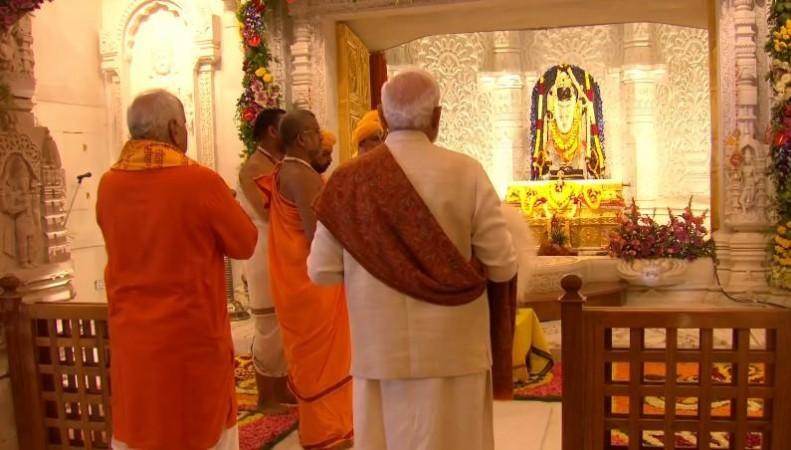
    In contemporary India, however, the distinction between the RSS and the BJP is often blurred in public perception. Bhagwat has repeatedly stated that the RSS does not seek political power and should not be equated with the BJP. Yet the BJP’s prolonged tenure under Narendra Modi has given rise to what critics describe as a “one man–one party” model, where political authority and electoral appeal are highly centralized around a single leader. Symbolism has reinforced this perception. When Bhagwat was seen standing behind Modi during the Pranaprathista of Lord Sriram at the Ram Temple in Ayodhya, many observers naturally assumed that Bhagwat stands behind Modi in all his actions and decisions. Such imagery strengthens the impression that ideological and political authority function in close alignment, even if institutional distinctions are formally maintained.

    This generates a fundamental tension. If “Sarvesham Avirodhena” calls for inclusiveness and accommodation, can it coexist with a political structure that appears increasingly centralized? Supporters argue that decisive leadership is necessary in a complex global environment. Critics counter that inclusiveness requires institutional pluralism, space for dissent, and broader participation in shaping national priorities.

    Bhagwat’s recent remarks have also addressed economic and intellectual concerns. He has expressed reservations about uncritical globalization and about the long-term implications of the Indo–US strategic and economic relationship. Observers debate whether such engagements enhance India’s autonomy or deepen structural dependencies. At the same time, Bhagwat has emphasized the urgency of building strong indigenous research ecosystems. Cultural confidence, in his view, must be matched by sustained investment in knowledge creation and innovation. However, India continues to invest less than one percent of its GDP in research and development, and the country lags significantly behind China in scientific and technological advancement.

    Ultimately, Bhagwat’s articulation suggests a vision rooted in cultural nationalism, social cohesion, character building, intellectual self-strengthening, and broad societal outreach. Yet the credibility of “Sarvesham Avirodhena” will depend not merely on its rhetorical appeal but on how effectively it addresses caste inequities, minority concerns, centralized political authority, research deficits, and strategic economic choices. India stands at a transitional juncture reminiscent of earlier periods of ideological debate and reform.

    The final and perhaps most consequential question, therefore, is whether the Rashtriya Swayamsevak Sangh under Bhagwat will actively shape this trajectory. Will it function primarily as a cultural and moral force, offering broad civilizational guidance while maintaining distance from day-to-day politics? Or will it intervene more directly in shaping policy priorities, influencing debates within the Bharatiya Janata Party, and moderating the balance between centralization and inclusiveness?

    If “Sarvesham Avirodhena” is to move beyond rhetoric, the RSS under Bhagwat may have to demonstrate through institutional conduct, public messaging, and social initiatives that inclusiveness is compatible with ideological conviction and strong leadership. Its engagement with questions of social harmony, minority outreach, caste reform, federal balance, and knowledge-driven development will be critical. In that sense, whether the RSS chooses to remain a guiding influence or becomes a more assertive actor may significantly shape how India’s democratic and civilizational journey unfolds in the decades ahead.

  • India’s Uneasy Balancing Act in the Trump Era

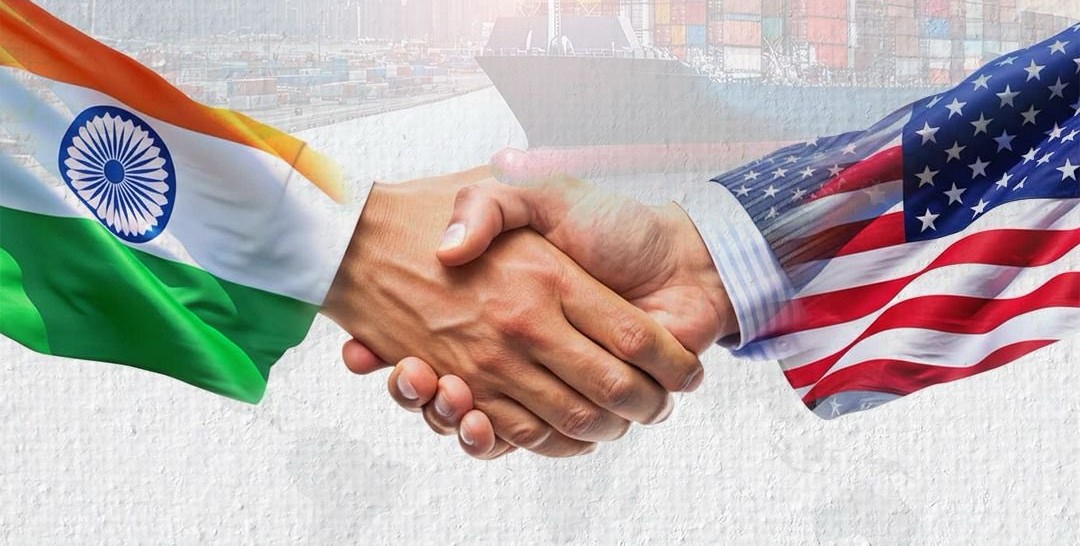
    A close reading of the India–US agreement makes it evident that New Delhi is unwilling to treat US President Donald Trump as an adversary. Keen to prevent any further deterioration in bilateral relations, India appears to have adopted a cautious and conciliatory approach. The United States has already imposed tariffs of up to 50% on Indian exports, severely impacting textiles, jewellery, engineering goods and chemicals. India’s trade deficit is widening, and a series of unilateral statements by Trump have pushed Prime Minister Narendra Modi into a defensive posture at home, where he faces questions he is increasingly unable to answer. This appears to have prompted efforts to placate the US President.

    Two months ago, US Senator Lindsey Graham, a close ally of Trump, told reporters aboard Air Force One that Indian Ambassador Vinay Kwatra had met him, conveyed that India had reduced oil imports from Russia, and urged him to persuade Trump to lower tariffs. Trump, standing beside him, warned that unless India completely stopped purchasing Russian oil, matters could worsen. “India wants to make me happy. Modi is a good man. He knows I’m not happy — and making me happy is very important. If India doesn’t help on the Russian oil issue, tariffs could be increased,” Trump said. The warning came shortly after the US attack on Venezuela, highlighting the pressure India was facing.

    Why should a US President certify India’s Prime Minister? Why should India align its policies to suit Washington’s preferences? Why should Modi seek to “please” Trump? These are questions India appears unwilling — or unprepared — to raise. Despite being larger than the European Union in scale, India does not seem ready to assert that it fears no one and can independently determine its foreign policy and internal security priorities. The ideals of non-alignment and strategic autonomy appear absent from current decision-making.

    At an RSS event marking its centenary year on Saturday, RSS chief Mohan Bhagwat underscored that while economic interdependence among nations is a reality, it must be voluntary and not driven by coercion. He cautioned against decisions imposed through trade wars and tariff pressure, arguing that international trade should be guided by a country’s free will. Agreements, he said, should not be entered into out of helplessness. He clarified that Swadeshi does not mean isolation or a blanket ban on imports.

    Against this backdrop, attention has turned to what Bhagwat may say about the recently announced draft India–US agreement. Many observers suspect the deal was not concluded on equal terms. Notably, even before the draft was officially announced, Trump unilaterally disclosed its details in a Truth Social post, stating that India would stop buying Russian oil and instead source oil from Venezuela. Prime Minister Modi promptly endorsed the announcement and expressed satisfaction, later being felicitated at an NDA meeting.

    Subsequently, US Trade Representative Jamieson Greer and Agriculture Secretary Brooke Rollins outlined the agreement’s details. Only thereafter did Commerce Minister Piyush Goyal address the issue, stating that Modi had leveraged his personal friendship with Trump to secure a favourable deal. Critics argue this framing overlooks the fact that agreements are concluded between nations, not individuals. It is India’s 1.4-billion-strong market that gives it negotiating strength — not personal rapport. After all, the India–US civil nuclear agreement was not a personal arrangement between Manmohan Singh and George W. Bush.

    Even with Trump reducing tariffs to 18%, questions remain about the deal’s benefits. Prior to July 2025, Indian exports to the US faced an average tariff of just 3%. The new rate represents a sixfold increase in less than a year. Meanwhile, India has reduced tariffs on American products such as Harley-Davidson motorcycles and several alcoholic beverages. Though US goods earlier faced tariffs averaging around 15% in India, these duties will now be eliminated.

    Goyal claimed the agreement would open the $30 trillion US market to Indian exporters, benefiting MSMEs, farmers and fishermen, and generating millions of jobs for women and youth. However, he avoided questions on the reported halt to Russian oil imports. External Affairs Ministry spokesperson Randhir Jaiswal maintained that India accords the highest priority to the energy security of its 1.4 billion citizens.

    Under the agreement, American products will enter India at zero tariffs, while the US will impose an 18% duty on Indian textiles, garments, leather, footwear, plastic and rubber goods, organic chemicals and select machinery. Generic pharmaceuticals, gems and jewellery, diamonds and aircraft parts will be exempt. India has committed to purchasing $500 billion worth of US goods, but the agreement does not specify reciprocal US purchases from India.

    The Congress party criticised the deal, alleging it was unequal and that India had opened its agricultural market to the US at zero tariffs. Congress spokesperson Pawan Khera described it as “Narender Surrender,” claiming it would enable dumping of American goods in India. Former Finance Minister P. Chidambaram said the agreement appeared heavily tilted in Washington’s favour, while former Union Minister Jairam Ramesh warned that India’s imports from the US could triple, erasing its long-standing trade surplus.

    Whether the government’s claims or the opposition’s criticism prove accurate remains to be seen.

    Meanwhile, there is little indication of any softening in the US stance on visa issues affecting Indians. Trump has significantly tightened visa norms, causing hardship for Indian professionals reliant on H-1B visas and for Indian students. Visa renewals now take years, and it remains unclear whether the Prime Minister’s much-touted personal rapport with Trump will yield any relief.

    The economic and political consequences of the India–US agreement, many argue, are likely to be far-reaching.