Tag: history

  • If the Judiciary Is Bleeding, Who Fired the First Shot?

    Screenshot

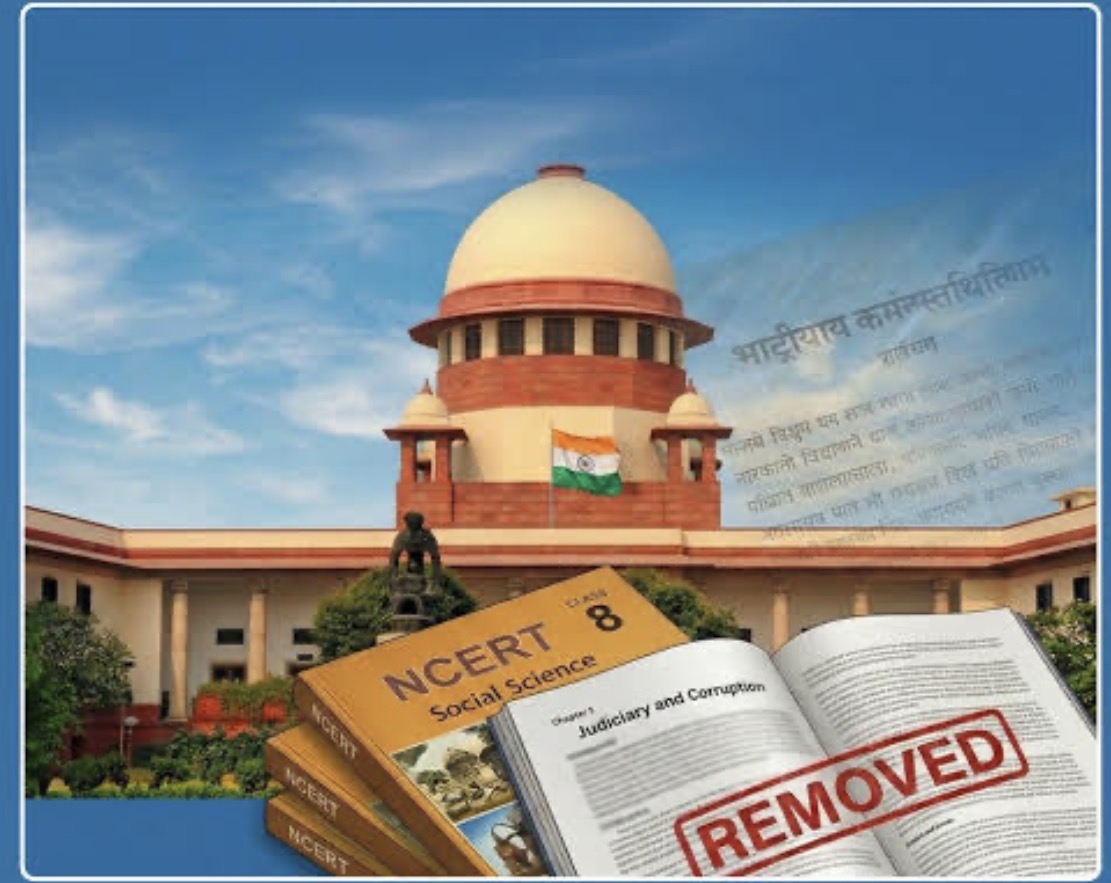
    There are systematic attempts underway to undermine the institutional authority of the Supreme Court and to damage the reputation of the judiciary. If these attempts are not stopped, the sanctity of the judiciary in the eyes of the people will erode. It will influence the tender minds of the youth. “Shots have been fired at us… the judiciary is bleeding,” expressed Justice Suryakant of the Supreme Court of India in anguish. For describing corruption in the judiciary in an 8th-grade textbook published by the National Council of Educational Research and Training, he went so far as to announce a ban on that very book. He ordered that the book should not be available even in digital form. Following these prohibitory orders, NCERT withdrew several lakh copies of the textbook. It was also reported that a bookstore owner was arrested by the police for selling photocopies of the textbook. “I will not tolerate anyone on this earth attempting to defame the judiciary,” said the Chief Justice.

    When he expressed his anger over the textbook, Prime Minister Narendra Modi was in Israel. Official sources told the media that Modi too was distressed that the judiciary’s sentiments had been hurt and remarked, “Who is overseeing all this?” After returning to the country, Modi reportedly raised the issue in a Cabinet meeting as well. News reports said he remarked, “How can we tell 8th-grade children ourselves that there is corruption in our judiciary?” Education Minister Dharmendra Pradhan also expressed regret over including the controversial chapter on corruption in the judiciary in the 8th-grade textbook. “We have immense respect for the judiciary. We did not intend to insult it deliberately,” he said. The Supreme Court sent notices to NCERT Chairman Professor Dinesh Prasad Saklani.

    With the Chief Justice expressing concern, is there really a conspiracy behind this entire episode to defame the judiciary? Are there systematic efforts underway to reduce public respect for the judiciary? In fact, the Congress attempted to create the impression that it was the Modi government itself that engineered this conspiracy. “For a decade, the BJP government has been trying to spread its ideological virus through textbooks. The inclusion of details about corruption in the judiciary was not accidental. It was a systematic attempt to corrupt the minds of students,” said Congress spokesperson Jairam Ramesh. He made indirect remarks suggesting there was evidence that Modi himself guided this process and that the RSS was behind it. Lawyers Kapil Sibal and Abhishek Singhvi, who argue opposition cases in the Supreme Court, made submissions that led Justice Suryakant to treat the matter more seriously. They succeeded in creating the impression that a major conspiracy had taken place.

    It is because people believe that they will ultimately receive justice through the judiciary that lakhs of them approach the courts. If they did not believe courts would deliver justice, there is a possibility that they might resort to vigilante justice instead of going to court. It cannot be said that Justice Suryakant’s view — “We cannot allow students to develop the impression that justice is not available in this country” — is entirely wrong. The textbook mentioned a judgment that described slum dwellers as encroachers. However, by highlighting such instances, it would be inappropriate to portray the entire judiciary as anti-poor.

    Quoting Martin Luther King Jr.’s words, “Injustice anywhere is a threat to justice everywhere,” CBI Special Judge Justice Jitendra Singh, in his recent judgment on the Delhi liquor case, detailed across nearly 600 pages how the CBI allegedly tailored facts to suit its narrative in order to implicate political opponents of the ruling party. He asked, “If even policy decisions taken to strengthen the economy are treated as crimes, how can any government take decisions?” He pointed out the injustice of keeping accused persons imprisoned for months based solely on the statements of approvers and accomplice witnesses. He observed that the right to life and personal liberty did not come from the government’s grace but from the Constitution, and that unless a balance is maintained between the Constitution and statutory law, public trust in the criminal justice system would erode. It is noteworthy that even constitutional benches which had refused stays in several instances in the Delhi liquor cases did not reflect at such depth as the lower court did. Regardless of how much this judgment is challenged in higher courts, the significance of the questions it raises will not diminish.

    By banning a textbook that mentioned corruption in the judiciary, students may lose the opportunity to learn in the classroom about what is happening within the judicial system. The very act of banning it has created greater discussion and drawn more attention to the issue. Do students learn about the world only through textbooks? Just because something is not mentioned in a textbook, will they automatically form a favorable opinion of the judiciary? It is no secret that today social media has far greater influence than any textbook. Do 8th-grade students not watch television or read newspapers? Moreover, as mentioned in the textbook, the government itself has repeatedly informed Parliament that crores of cases are pending across the Supreme Court, High Courts, district and subordinate courts. The textbook also cited remarks made in 2025 by then Chief Justice Justice Gavai that corruption and misconduct in the judiciary erode public trust. Therefore, merely banning the textbook will not increase public respect for the judiciary. It is impossible to conceal such matters from students simply by excluding them from textbooks.

    Secondly, it has become a matter of debate whether the Supreme Court has the constitutional authority to ban a book or a speech. In a democratic society, censoring a book falls under curtailing freedom of expression guaranteed by Article 19. Legal experts are raising questions about whether judicial orders fall within the permissible restrictions under Article 19 and whether the Constitution grants such authority to the judiciary. When their fundamental rights are violated, citizens can approach the courts. But when courts themselves infringe upon fundamental rights, what is to be done? they ask.

    After the strict stance taken by the Supreme Court, NCERT has fallen in line—and so has the government. Everyone is offering clarifications and apologies. NCERT apologized in court and assured that the books would be withdrawn, but the court is not satisfied with that. The Chief Justice has put a stay on the book. But is this really an issue related to corruption in the judiciary, or is there some other story behind it?

    In reality, the chapter titled ‘Corruption in Judiciary’ included in NCERT’s Class 8 book was not an attempt to inform students about corruption existing at any level within the judiciary. It appears to be an effort to raise questions about the credibility of the judiciary and influence public perception. It should be noted that NCERT books are not prepared randomly, as if someone wrote something arbitrarily and it got printed. There is a long process behind it. Every subject has two committees that oversee the entire process—from preparing the content to its publication.

    This chapter appears in the Class 8 Social Science book. It is perhaps just a coincidence that the head of the Curricular Area Group that prepared the Social Science book is a guest professor at IIT Gandhinagar, Michel Danino. This committee oversees the selection and writing of content for social science textbooks. After this comes the National Syllabus and Teaching Learning Materials Committee, a high-level committee that gave the book its final shape. The chairman of this committee is MC Pant, Chancellor of the National School of Planning and Administration. Professor Manjul Bhargava of Princeton University is its co-chair. Apart from them, there are 19 members including Sudha Murty and Sanjeev Sanyal, a member of the Prime Minister’s Economic Advisory Council. Think about it—if all these people have truly fulfilled their responsibilities, it would mean that the book’s content passed through all their scrutiny and none of them found anything objectionable in it. It is worth noting that around the same time, remarks previously made by Sanjeev Sanyal that “the judiciary is the main obstacle to rapid development in this country,” were also brought up.

    So the question is whether a committee that prepares textbook content in line with the prevailing social and political narrative in the country would inadvertently decide to teach eighth-grade students about alleged corruption in the judiciary. It is hard to believe that this happened accidentally.

    Then the question arises: why did the government not defend it in court? If so many people collectively played a role in preparing the book, then either action should be taken against all of them, or the government should defend the book in court. If one closely observes the narrative that has emerged on social media regarding this entire episode, it seems that the objective behind including this chapter in the book has already been achieved. A discussion on corruption in the judiciary has begun, and a debate has also erupted over the Supreme Court’s move to stop this discussion. There is a large group arguing that corruption exists in the judiciary and that it should be investigated and openly discussed. The same group is also saying that the judiciary becomes immediately sensitive about matters concerning itself and does not want its issues to come before the public.

    Senior Supreme Court lawyer and public interest litigator Prashant Bhushan has also objected to certain remarks made by the Supreme Court and some senior lawyers. He wrote on social media that in 2007, Transparency International had said that in public perception, the judiciary was the second most corrupt institution. He wrote that if discussion on this issue is suppressed, it will only strengthen public perception. Later, former NCERT Director JS Rajput also questioned the Supreme Court’s stance and said that stopping discussion on corruption in the judiciary is not appropriate.

    Why should the court react only when corruption in the judiciary is mentioned? Why remain silent when other institutions are criticized? This entire episode has also brought the case of Yashwant Varma back into discussion. Burnt currency notes were reportedly recovered from his residence when he was a judge of the Delhi High Court. The incident took place around Holi last year, and now another Holi has arrived. Nothing has happened in one year. There is an impeachment motion in Parliament that is to be investigated. People are asking what happened after sacks of cash were allegedly recovered from a judge’s residence. If action had been taken and an example set, it would have positively influenced public perception. But no action has been taken on such a major issue of corruption.

    There are those who argue that there is nothing wrong with textbooks discussing the ailments present in the country and that only by discussing them can they be resolved. For example, irregularities in the electoral system have also been discussed in textbooks, including an image of currency notes found in a candidate’s car. Do such incidents not occur? Over time, several allegations have been made against High Court and Supreme Court judges. There are no records of any judge being convicted or impeached over corruption allegations; at most, transfers have taken place. While ordinary citizens and political leaders face CBI raids and ED investigations, why does the same not happen to judges? The very higher judiciary that banned the 8th-grade textbook must answer these questions.
  • “Between Inclusiveness and Centralization: The RSS at a Crossroads”

    What direction does Mohan Bhagwat’s idea of “Sarvesham Avirodhena” — accepting everyone without opposition — suggest for India? The question has gained renewed relevance as the Rashtriya Swayamsevak Sangh (RSS) enters its centenary phase and its chief addresses diverse audiences across the country. His meetings are drawing an unusually wide cross-section of society. Academics, doctors, lawyers, business leaders, artists, poets, writers, sportspersons, actors, media professionals, former judges, and representatives of voluntary organizations have attended his interactions. Even individuals who once sharply criticized the RSS, as well as those who earlier remained neutral, are now seen at these gatherings. In Mumbai, prominent film personalities were present to listen to him, and in Hyderabad even left-leaning participants attended his address. The sheer diversity of attendees has itself become a subject of discussion, raising questions about whether this reflects ideological curiosity, political pragmatism, or a broader search for direction in uncertain times.

    “Accepting everyone without opposition” implies social harmony that transcends divisions of religion, caste, language, and class. It suggests that minorities are partners in the national journey rather than adversaries, that ideological diversity is natural in a plural society, and that the strength of the nation ultimately rests on the character and discipline of its citizens. Within the RSS framework, this aligns with its long-standing objective of organizing Hindu society. At the same time, Bhagwat has acknowledged that certain earlier hardline positions — particularly some formulations associated with M. S. Golwalkar’s book Bunch of Thoughts — were shaped by specific historical contexts and should not be treated as eternal doctrine. This acknowledgment is widely viewed as an effort to recalibrate ideological emphasis for contemporary India.

    The historical evolution of the RSS provides important perspective. The organization was founded in 1925 by K. B. Hedgewar. An often-overlooked detail is that Hedgewar continued as a member of the Indian National Congress until 1935, even after establishing the RSS. This reflects the fluidity of nationalist politics in the early twentieth century, when ideological boundaries were not rigid. The period witnessed internal debates between moderate and radical tendencies within the Congress, the emergence of Mahatma Gandhi as a mass leader, the formation of the Communist Party of India, the influence of global ideological currents, and powerful social reform movements.

    Among the most significant of these reform efforts was the Mahad Satyagraha of 1927 led by B. R. Ambedkar. At Mahad, Ambedkar mobilized Dalits to assert their right to draw water from a public tank, challenging the entrenched system of untouchability. The movement was a forceful assertion of equality and dignity within Hindu society. The RSS emerged in this broader atmosphere of social churning, when caste hierarchy, representation, and reform were intensely debated. Hedgewar’s emphasis on transcending caste divisions must therefore be understood within this larger historical context.

    After Hedgewar’s death, the RSS underwent further transformation. The distance between the Congress and the RSS widened as Jawaharlal Nehru adopted a European-influenced model of secularism, and the Quit India Movement spearheaded by Gandhi and Nehru sought to rejuvenate mass resistance against colonial rule. Under Golwalkar, the trauma of Partition and communal tensions sharpened the articulation of cultural nationalism. Later, under Balasaheb Deoras, the organization expanded its social and political engagement. Deoras maintained working relations with leaders across ideological divides, including Indira Gandhi and P. V. Narasimha Rao, reflecting a pragmatic openness to dialogue. He also played a role in facilitating the merger of the Bharatiya Jana Sangh with the Janata Party in the post-Emergency period, a development that eventually led to the formation of the Bharatiya Janata Party (BJP). This phase demonstrated that the RSS could influence political realignments while retaining organizational distinctiveness.

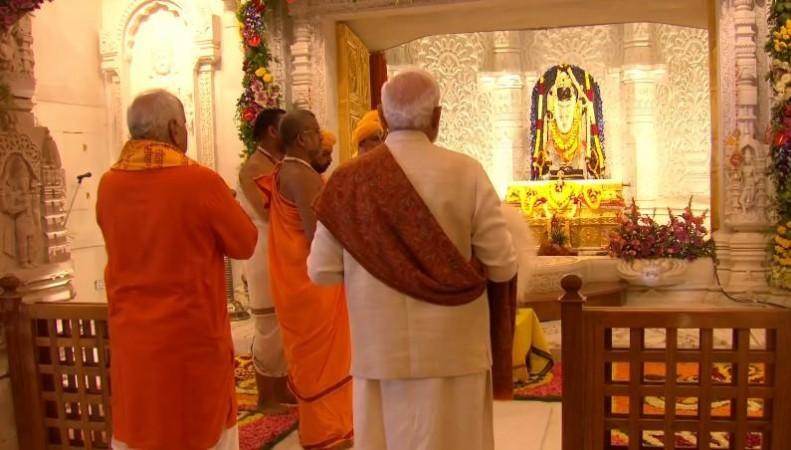
    In contemporary India, however, the distinction between the RSS and the BJP is often blurred in public perception. Bhagwat has repeatedly stated that the RSS does not seek political power and should not be equated with the BJP. Yet the BJP’s prolonged tenure under Narendra Modi has given rise to what critics describe as a “one man–one party” model, where political authority and electoral appeal are highly centralized around a single leader. Symbolism has reinforced this perception. When Bhagwat was seen standing behind Modi during the Pranaprathista of Lord Sriram at the Ram Temple in Ayodhya, many observers naturally assumed that Bhagwat stands behind Modi in all his actions and decisions. Such imagery strengthens the impression that ideological and political authority function in close alignment, even if institutional distinctions are formally maintained.

    This generates a fundamental tension. If “Sarvesham Avirodhena” calls for inclusiveness and accommodation, can it coexist with a political structure that appears increasingly centralized? Supporters argue that decisive leadership is necessary in a complex global environment. Critics counter that inclusiveness requires institutional pluralism, space for dissent, and broader participation in shaping national priorities.

    Bhagwat’s recent remarks have also addressed economic and intellectual concerns. He has expressed reservations about uncritical globalization and about the long-term implications of the Indo–US strategic and economic relationship. Observers debate whether such engagements enhance India’s autonomy or deepen structural dependencies. At the same time, Bhagwat has emphasized the urgency of building strong indigenous research ecosystems. Cultural confidence, in his view, must be matched by sustained investment in knowledge creation and innovation. However, India continues to invest less than one percent of its GDP in research and development, and the country lags significantly behind China in scientific and technological advancement.

    Ultimately, Bhagwat’s articulation suggests a vision rooted in cultural nationalism, social cohesion, character building, intellectual self-strengthening, and broad societal outreach. Yet the credibility of “Sarvesham Avirodhena” will depend not merely on its rhetorical appeal but on how effectively it addresses caste inequities, minority concerns, centralized political authority, research deficits, and strategic economic choices. India stands at a transitional juncture reminiscent of earlier periods of ideological debate and reform.

    The final and perhaps most consequential question, therefore, is whether the Rashtriya Swayamsevak Sangh under Bhagwat will actively shape this trajectory. Will it function primarily as a cultural and moral force, offering broad civilizational guidance while maintaining distance from day-to-day politics? Or will it intervene more directly in shaping policy priorities, influencing debates within the Bharatiya Janata Party, and moderating the balance between centralization and inclusiveness?

    If “Sarvesham Avirodhena” is to move beyond rhetoric, the RSS under Bhagwat may have to demonstrate through institutional conduct, public messaging, and social initiatives that inclusiveness is compatible with ideological conviction and strong leadership. Its engagement with questions of social harmony, minority outreach, caste reform, federal balance, and knowledge-driven development will be critical. In that sense, whether the RSS chooses to remain a guiding influence or becomes a more assertive actor may significantly shape how India’s democratic and civilizational journey unfolds in the decades ahead.

  • Constitutional Courts and Economic Power: A Tale of Two Democracies

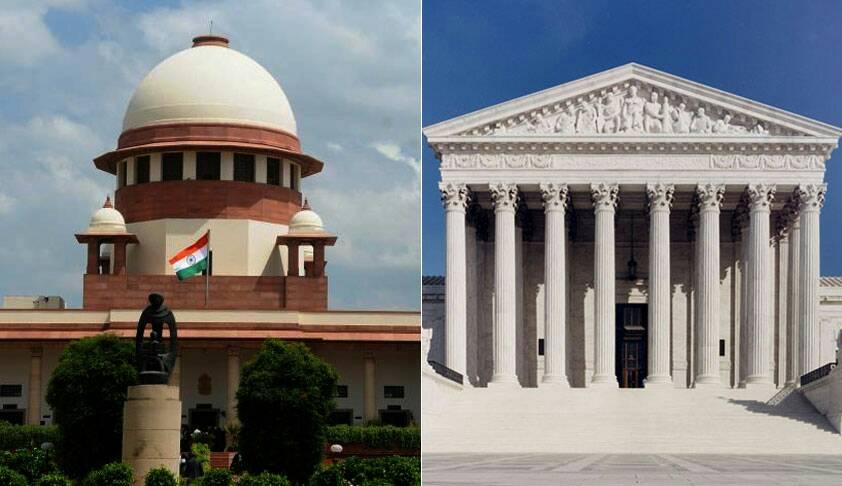
    The recent ruling of the Supreme Court of the United States striking down former President Donald Trump’s sweeping global tariffs has not only redrawn the limits of executive authority in Washington but also triggered diplomatic and political recalibration in New Delhi. At the core of the episode lies a constitutional constant shared by both democracies: the principle of judicial independence and the judiciary’s role in enforcing the separation of powers.

    In a 6–3 verdict, the U.S. Supreme Court held that the President had exceeded his authority under the International Emergency Economic Powers Act by imposing wide-ranging import duties without explicit congressional approval. Reaffirming that the constitutional power to levy taxes and duties rests with Congress under Article I, Section 8, the Court underscored that emergency powers cannot become a gateway for bypassing legislative authority. The judgment was widely viewed as a strong institutional assertion of judicial independence, especially given the political and economic stakes attached to the tariff regime.

    The ripple effects were immediate. The interim Indo-U.S. trade framework, announced earlier with provisions to reduce reciprocal tariffs on Indian goods from 25% to around 18%, was premised on the enforceability of the U.S. Executive’s tariff structure. With the Supreme Court invalidating the legal foundation of that regime, trade experts suggested that more than half of India’s exports to the United States could revert to standard tariff treatment. Although the U.S. administration subsequently invoked Section 122 of the Trade Act of 1974 to impose temporary global tariffs for 150 days, the long-term contours of the bilateral arrangement remain uncertain. Indian negotiators have reportedly deferred further talks to reassess the new legal landscape, placing the trade deal in a state of cautious pause rather than definitive rollback.

    Domestically, the ruling has intensified political debate. Senior Congress leader Jairam Ramesh questioned the timing of the interim agreement and called for it to be placed on hold until greater clarity emerges from the U.S. side. He urged the government to ensure that import liberalisation would not proceed without legally sustainable commitments and warned of potential adverse effects on Indian farmers cultivating crops such as corn, cotton, soybeans, and apples. Ramesh’s remarks framed the U.S. Court’s decision as an illustration of constitutional checks in action and suggested that India must exercise similar prudence in safeguarding domestic interests.

    The broader debate inevitably draws comparisons with India’s own judicial approach to major economic decisions. The Supreme Court’s judgment in Vivek Narayan Sharma v. Union of India, which upheld the 2016 demonetisation of ₹500 and ₹1000 notes, remains one of the most consequential economic rulings in recent years. By a 4–1 majority, the Court concluded that the decision-making process satisfied the requirements of the Reserve Bank of India Act and that economic policy choices fall within the domain of the Executive unless they violate constitutional or statutory limits. The majority emphasized judicial restraint, holding that courts should not substitute their judgment for that of policymakers in complex fiscal matters.

    However, the verdict also contained a powerful dissent. Justice B.V. Nagarathna held that such a sweeping measure, which invalidated 86% of the currency in circulation overnight, should have been carried out through legislation rather than by executive notification. She argued that bypassing Parliament undermined constitutional procedure and that the RBI’s recommendation process was not independent in substance. Critics of the majority judgment contended that the Court avoided a searching inquiry into the socio-economic impact of demonetisation, including hardship faced by small traders, daily wage earners, and rural populations. They also noted that no retrospective relief was granted despite the acknowledgment of widespread inconvenience.

    India’s judicial engagement with economic power can also be seen in its handling of high-stakes corporate and natural resource disputes. In the case concerning gas extraction from the Krishna-Godavari Basin, the Supreme Court, in a judgment authored by Justice Sudershan Reddy in Reliance Natural Resources Ltd. v. Reliance Industries Ltd. (2010), examined the dispute between the Ambani brothers over gas supply from the KG-D6 block operated by Reliance Industries Limited. The Court held that natural gas is a national asset and that its pricing and allocation fall within the sovereign domain of the Government of India. It ruled that private family agreements could not override government policy or the production-sharing contract framework. The verdict reaffirmed that natural resources are held in trust for the public and that executive policy decisions regarding their allocation must align with constitutional principles.

    That judgment underscored an important dimension of judicial independence in India: the willingness to assert the State’s sovereign control over strategic resources while resisting attempts to privatise public policy through corporate agreements. At the same time, the Court showed deference to governmental policy prerogatives in determining pricing and allocation, thereby balancing judicial review with executive competence in economic administration.

    This contrast between the U.S. Supreme Court’s assertive invalidation of executive tariffs and the Indian Supreme Court’s deferential stance in demonetisation highlights differing judicial temperaments. While both courts operate within robust constitutional frameworks, the American ruling reflects a readiness to directly curtail executive economic power on separation-of-powers grounds. The Indian verdict, in contrast, underscored institutional restraint in matters of fiscal policy, even as dissenting voices articulated constitutional concerns about process and parliamentary oversight.

    Earlier landmark cases such as Kesavananda Bharati v. State of Kerala had established that judicial review and separation of powers form part of the Constitution’s basic structure, beyond Parliament’s amending power. Yet, the demonetisation ruling demonstrated that the exercise of judicial independence is often calibrated rather than absolute. The Court reaffirmed its authority to review executive action but chose a limited standard of scrutiny in economic governance.

    As the Indo-U.S. trade deal stands at a crossroads, these developments serve as a reminder that judicial decisions can reshape not only domestic governance but also international economic relations. The U.S. Supreme Court’s judgment has recalibrated trade diplomacy, while India’s own judicial precedents continue to shape debates over executive accountability in economic policymaking. In both democracies, the judiciary remains a central constitutional actor—sometimes assertive, sometimes restrained—but always pivotal in defining the limits of power.

  • Telangana Checkmates BJP

    It was reported in the media that on December 11, 2025, Prime Minister Narendra Modi, in a review meeting with his party leaders, expressed dissatisfaction with the performance of BJP MPs from Telangana. The meeting appears to have conveyed a clear message to Telangana BJP leaders: set aside internal differences, work as a united team, strengthen grassroots outreach, and make better use of social media to improve the party’s prospects in the state. Modi is said to have remarked that although the party has strong potential in Telangana, leadership weaknesses and internal factionalism are weakening it. Despite having eight MPs and two Union Ministers, the party has not effectively played the role of a strong opposition, he reportedly observed.

    But what happened in the recent municipal elections held for seven corporations and 116 municipalities in Telangana? The BJP, which emerged as the single largest party in neighbouring Maharashtra elections, secured third place in Telangana with just 15.68 percent of the votes. With eight MPs — half of the total Lok Sabha seats from the state — and an equal number of MLAs, the party won only 259 wards and not even a single municipality. The saffron party’s performance in other municipalities falling under the Lok Sabha constituencies represented by its MPs has been dismal. Though the BJP has the potential to grow in Telangana, especially after its good Lok Sabha results, it has not fully capitalized on the opportunities. However, strong local leaders have made some difference in places like Karimnagar and Nizamabad, but this will not be sufficient to give a tough fight in the next Lok Sabha elections.

    The municipal results followed strong performances in recent Panchayat elections, where Congress-supported candidates secured approximately 66 percent of Gram Panchayats statewide. In an Assembly segment-wise analysis, Congress secured majorities in 68 out of 81 constituencies where municipal elections were held. After forming the government on December 7, 2023, Congress also won the Cantonment by-election and the Jubilee Hills by-election. This indicates that both urban and rural voters are increasingly supporting Congress.

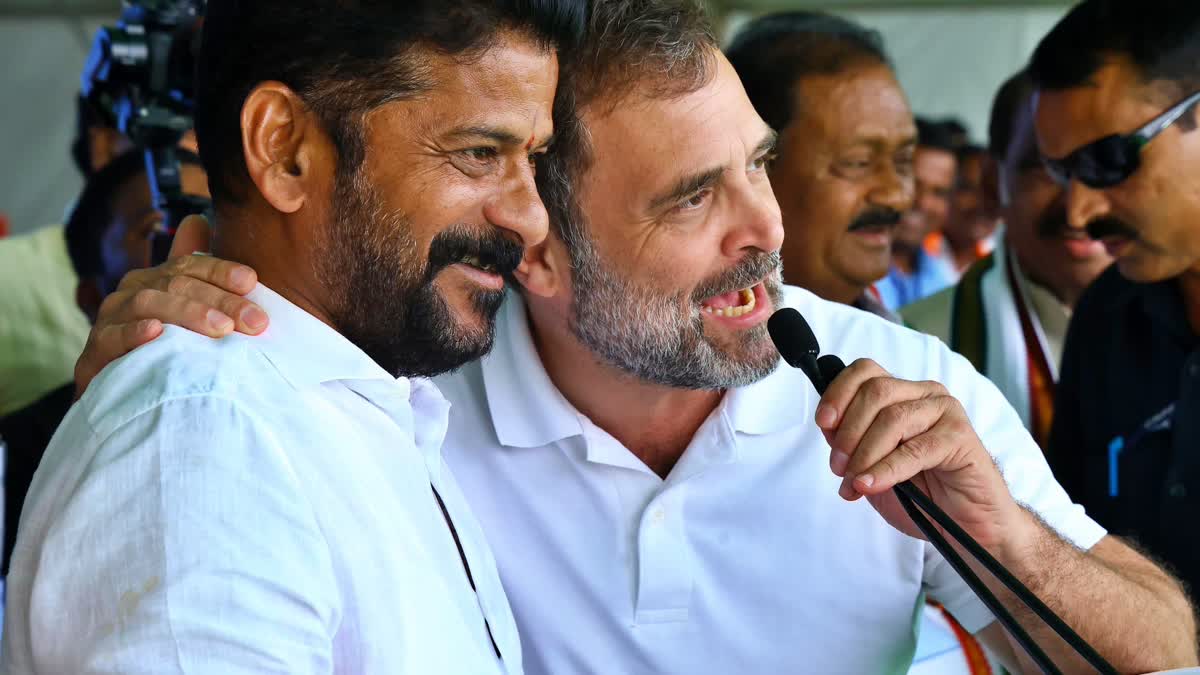
    The credit goes to Mr. Revanth Reddy, the Chief Minister of Telangana, who has been able to stop the juggernaut of the BJP in the state, despite the Prime Minister himself showing keen interest in Telangana. Under his leadership, the Congress party has demonstrated its strength convincingly. These elections were held at a time when there was widespread speculation in political circles that public dissatisfaction with the Revanth Reddy government was growing. The principal opposition, BRS, had been strongly criticizing the government and claiming that its end was near. Given that the government had completed two years, interest in the municipal results was high, and doubts were raised about Congress’ prospects.

    However, contrary to predictions, Congress performed well. Though leaders like KTR may not acknowledge the importance of the results, it is significant for a party like Congress, which is often known for internal dissent, to achieve this level of success. Revanth Reddy’s strategy ensured favorable outcomes across both North and South Telangana. Districts like Nizamabad, Adilabad, and Karimnagar, previously considered strongholds of BJP and BRS, saw gains for Congress. Even in his home district of Mahabubnagar, where BRS appeared strong, Congress made inroads.

    The Congress party attributes its success to development and welfare initiatives under Chief Minister Revanth Reddy, such as ₹17,000 crore spent on urban development, 200 units of free electricity for poor families, free RTC bus travel for women, issuance of 30 lakh ration cards, expansion of Rajiv Aarogyasri coverage from ₹5 lakh to ₹10 lakh, construction of 3,500 houses per constituency, and the Young India Integrated Schools initiative.

    Apart from its socio-economic agenda, it seems that Revanth Reddy adopted a clever strategy of not completely annihilating the BRS. He understands that if the BRS is finished, it would create space for the BJP to rise. He instead put the BRS on the defensive by exposing alleged corrupt practices such as the Kaleswaram project and the telephone tapping controversy. It is a strategy similar to the one adopted by KCR a few years ago, when he allowed the BJP to rise after sensing that Revanth Reddy was gaining momentum in the state as a Congress leader.

    The Telangana setback for the BJP has come at a time when the party is facing pressure from opposition parties at the national level over issues such as General Naravane’s book, Indo-US trade matters, and elections in five states. The political graph of Narendra Modi appears to be facing challenging weather, and the Modi-Shah duo are trying their best to prevent it from declining.

    Revanth Reddy has shown the Congress party a path forward. The Congress should not confine itself to parliamentary tactics alone; it must reach out to the people on issues such as farmers’ concerns, price rise, and unemployment, and strengthen the party at the grassroots level.

  • Freebies or Bribery? India’s Welfare State on Constitutional Trial

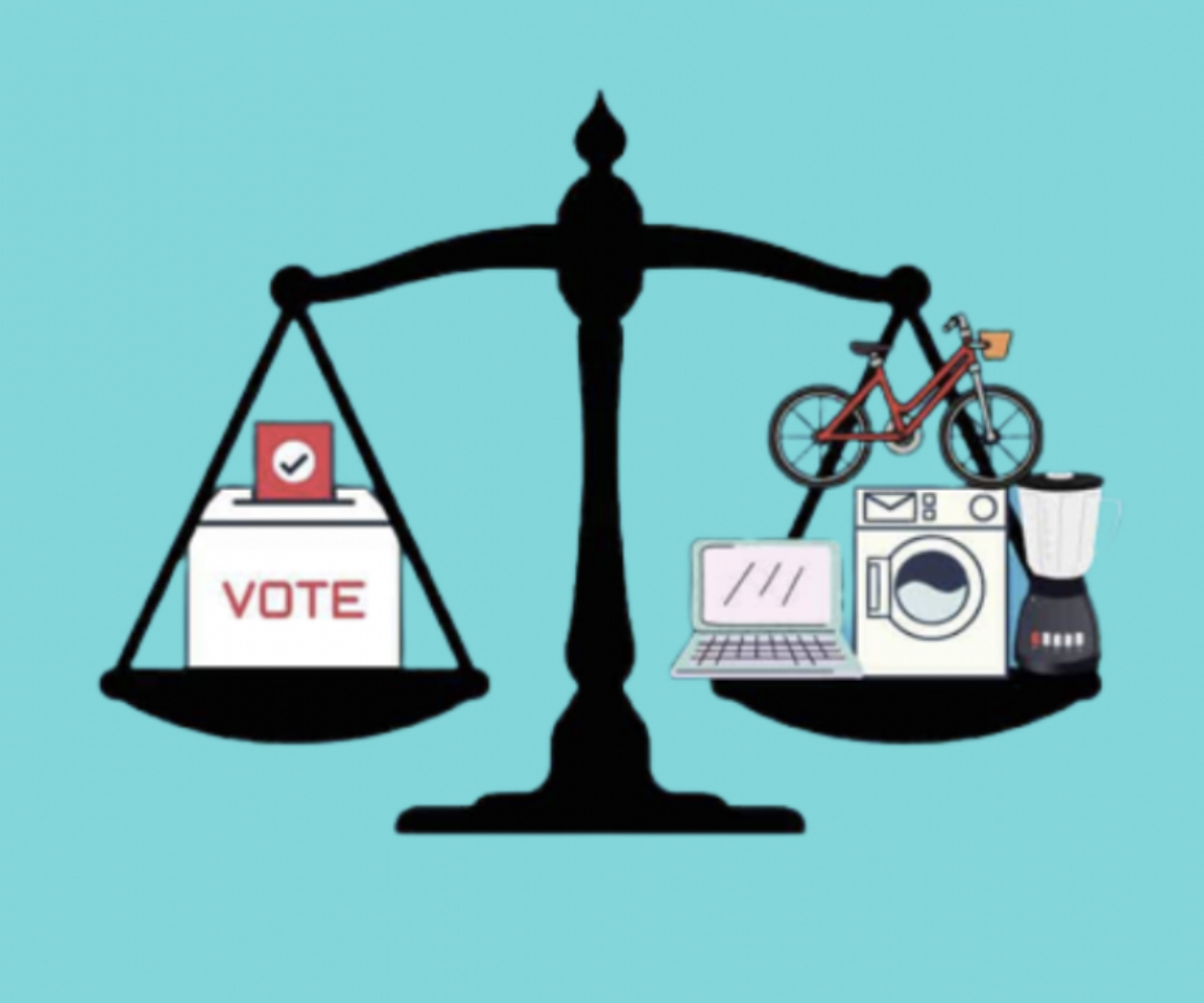
    The debate over “freebies” in Indian politics has now entered the constitutional arena, with the Supreme Court of India agreeing to examine whether pre-election promises of cash transfers funded from the public exchequer amount to a “corrupt practice” under the Representation of the People Act, 1951. The Supreme Court said the petition will be heard in March. What began as a political accusation has evolved into a deeper inquiry into fiscal responsibility, democratic fairness, and the character of India’s welfare state. At stake is not merely the legality of campaign promises, but the broader balance between social justice and macroeconomic prudence in a competitive democracy.

    Tamil Nadu Chief Minister M.K. Stalin’s announcement on February 13, 2026, implementing a major bonanza for women in the poll-bound state of Tamil Nadu—crediting ₹5,000 each to the bank accounts of 1.31 crore women family heads who are beneficiaries under the scheme Kalaignar Magalir Urimai Thittam (KMUT)—has added further interest to the debate.

    The petition filed by BJP leader Ashwini Kumar Upadhyay raises foundational questions. Can electoral promises financed from public funds distort the level playing field? Where does legitimate welfare end and electoral inducement begin? And should courts regulate what is essentially a political and fiscal policy choice? The Representation of the People Act identifies certain forms of bribery and inducement as corrupt practices, yet it does not clearly define whether manifesto promises of welfare schemes fall within that ambit. This definitional ambiguity has allowed successive governments across party lines to expand direct benefit transfers without clear judicial boundaries.

    The controversy gains urgency when viewed through the prism of fiscal sustainability. In Maharashtra, the Ladki Bahin Yojana reportedly costs approximately ₹46,000 crore annually—nearly 8 percent of the state’s total budget—at a time when the fiscal deficit exceeds ₹66,000 crore. Such recurring commitments constrain fiscal space for capital expenditure on infrastructure, education, and healthcare. The 2019 farm loan waiver of roughly ₹25,000 crore provided immediate relief but was widely criticized for restricting long-term investment capacity. Economists warn that debt-financed consumption spending can crowd out growth-oriented expenditure, raise debt-to-GSDP ratios, and increase interest burdens that future taxpayers must bear. The Reserve Bank of India has cautioned that excessive non-merit subsidies may affect macroeconomic stability, underscoring the long-term risks of fiscally expansive populism.

    Yet the debate is complicated by the absence of a universally accepted definition of a “freebie.” Economist C. Rangarajan has suggested distinguishing between subsidies on merit goods such as education and health and non-merit transfers that lack productivity linkages. But even this distinction is not always clear. Is free electricity for farmers a distortionary subsidy or a growth investment? Is free education merely welfare, or a constitutional obligation under the right to education framework? Is unconditional income support empowerment for vulnerable households, or an electoral inducement timed for political gain? The boundary between welfare and populism is not merely economic; it is normative and political.

    International comparisons add nuance but not easy solutions. Countries such as Germany and South Korea operate structured welfare systems in which benefits are often linked to employment search requirements, skill development, or contributory social insurance. These systems are embedded within stable fiscal architectures and high levels of formal employment. India, by contrast, confronts a large informal sector, weak employment absorption, and rising aspirations among its population. In such a setting, unconditional cash transfers are administratively simpler and politically more attractive than complex structural reforms.

    Electoral timing further complicates perceptions of legitimacy. In several states, welfare schemes have been expanded, advanced, or newly announced shortly before elections. Even when legally permissible, such timing creates the impression that public finances are being leveraged for electoral advantage. The criticism is not confined to one political formation. Prime Minister Narendra Modi has warned against what he termed “revdi culture,” arguing that fiscally irresponsible promises burden future generations. Yet critics note that the Modi government is providing free food grains to over 81 crore beneficiaries under the Pradhan Mantri Garib Kalyan Anna Yojana (PMGKAY) to ensure food security and reduce financial burdens. This initiative covers Antyodaya Anna Yojana (AAY) and Priority Households (PHH) under the National Food Security Act, with a five-year budget of ₹11.80 lakh crore. Moreover, BJP-led governments in states such as Assam, Delhi, Maharashtra, and Madhya Pradesh operate substantial direct transfer schemes of their own. What emerges is less an ideological contradiction than a structural incentive within a competitive democracy.

    Direct transfers produce immediate and visible benefits to identifiable voters. Infrastructure projects, by contrast, yield slower and more diffuse gains that are harder to attribute to a particular government. In an electoral environment where tangible short-term relief can decisively influence outcomes, parties across the spectrum may feel compelled to adopt similar strategies. The result is a normalization of competitive cash-transfer politics, where the debate shifts from whether to provide transfers to how large and how frequent they should be.

    As the Supreme Court considers the legal framework, it faces a delicate institutional balance. An aggressive intervention could risk judicial overreach into policymaking and blur the separation of powers. A restrained approach, however, may leave fiscal populism unchecked in shaping electoral competition. The solution may not lie in absolute prohibition or blanket endorsement, but in greater transparency and accountability. Mechanisms such as mandatory fiscal impact disclosures in manifestos, adherence to medium-term fiscal responsibility frameworks, or the establishment of independent fiscal councils could introduce discipline without undermining democratic choice.

    Ultimately, the freebies debate reflects a deeper tension within India’s development trajectory—between redistribution and growth, between immediate relief and long-term investment, and between electoral competition and fiscal prudence. In a democracy committed to both social justice and economic stability, the challenge is not to eliminate welfare but to design it responsibly. Whether cash transfers represent empowerment or populism depends on their timing, targeting, sustainability, and measurable outcomes. The Court may clarify legal boundaries, but the enduring balance between welfare and responsibility will remain a political question, to be negotiated through informed public debate and accountable governance.

  • Privilege, Politics and Policy: The Debate After Rahul Gandhi’s Speech

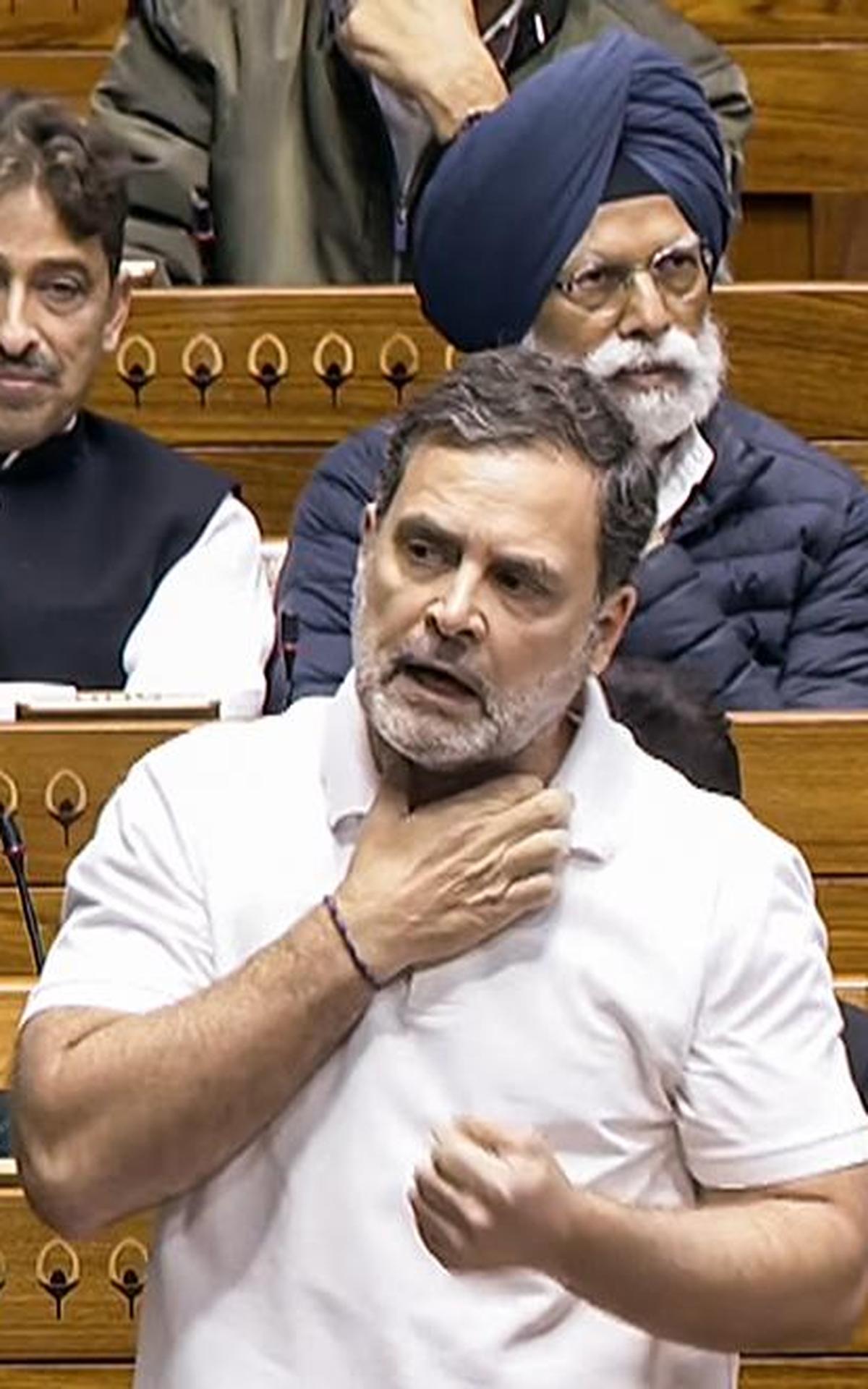
    The political storm following Leader of the Opposition Rahul Gandhi’s speech in the Lok Sabha has shifted from economic policy to parliamentary privilege. The Bharatiya Janata Party is reportedly considering a privilege motion against him over remarks linking senior leaders to the so-called “Epstein Files.” Union Minister Hardeep Singh Puri has firmly rejected the allegations as “baseless,” clarifying that his limited interactions with Jeffrey Epstein were in the context of an International Peace Institute delegation and unrelated to any criminal matters.

    Whether Gandhi’s remarks constitute a breach of parliamentary privilege is ultimately a matter for the Speaker of the Lok Sabha, who must interpret them within established rules and precedents. Parliament provides wide latitude for political speech, but it also imposes responsibility. That determination should be made institutionally and without partisan escalation.

    Yet focusing exclusively on the privilege question risks overlooking the larger policy issues raised in the speech — issues that warrant substantive engagement rather than procedural confrontation.

    The Strategic Context

    In his address, Rahul Gandhi framed the Union Budget and the India–U.S. trade understanding within a broader geopolitical narrative. He argued that the global order is entering a phase of instability marked by conflict, technological rivalry, and the weaponisation of energy and finance. In such an environment, he contended, India must negotiate from a position of strength.

    At the core of his argument was the assertion that India possesses three strategic assets: its population and digital data, its agricultural base, and its energy sovereignty. According to him, recent trade negotiations risk diluting these strengths.

    These are consequential claims. They deserve careful examination.

    One area of concern raised relates to digital trade rules. Has India altered its position on data localisation? Are cross-border data flows being liberalised in ways that constrain regulatory autonomy? Do trade commitments affect India’s ability to impose digital taxes or regulate major technology firms?

    Given the centrality of data to artificial intelligence and digital sovereignty, clarity on these points is essential. Trade agreements in the digital domain often contain complex provisions that are not easily understood without detailed disclosure.

    A transparent explanation of the Government’s commitments would help dispel uncertainty.

    Agriculture and Market Access

    Gandhi also warned that the trade framework could expose Indian farmers to competition from highly mechanised American agriculture. India’s agricultural economy is dominated by small and marginal farmers whose cost structures differ significantly from those of large-scale U.S. farms.

    The key question is whether tariff reductions or market access commitments contain adequate safeguards. If protections remain intact, the Government should clearly articulate them. If phased adjustments are planned, their timeline and compensatory measures should be made public.

    Food security is not merely an economic issue; it is a matter of national resilience.

    Energy Sovereignty

    Energy security formed the third pillar of Gandhi’s critique. In an era when sanctions, supply disruptions and geopolitical tensions influence energy markets, any perception that India’s sourcing flexibility is constrained can generate concern.

    Here again, clarity matters. If India retains full sovereign discretion over its energy imports, an unequivocal statement to that effect would strengthen confidence.

    Trade Balance and Industrial Impact

    Concerns were also expressed about tariff asymmetry and potential sectoral impacts, particularly in textiles. Trade agreements often produce winners and losers across industries. The role of government is to ensure that transitions are managed, vulnerabilities are addressed, and competitiveness is strengthened.

    A detailed presentation of expected gains and sector-specific protections would elevate the discussion beyond rhetoric.

    Democratic Accountability Over Escalation

    The controversy over alleged personal references and the potential privilege motion should not overshadow the importance of answering substantive policy questions. Democratic accountability requires both responsible speech from the Opposition and transparent explanation from the Government.

    Prime Minister Narendra Modi enjoys a strong domestic mandate and significant international stature. Supporters argue that his government would not compromise India’s interests in any negotiation. That confidence can only be reinforced through openness.

    Parliamentary debate is not an act of defamation; it is a mechanism of scrutiny. Equally, allegations must be supported by evidence. The health of democratic institutions depends on maintaining this balance.

    If a privilege motion is moved, it should proceed strictly within parliamentary rules. But beyond procedural action, what the moment calls for is clarity — on the nature of India’s trade commitments, on safeguards for farmers and industry, and on the preservation of data and energy sovereignty.

    In times of global uncertainty, trust in national leadership is strengthened not by silencing dissent, but by addressing it transparently.

    The Government has an opportunity to do precisely that.

  • In Search of Lost Standards

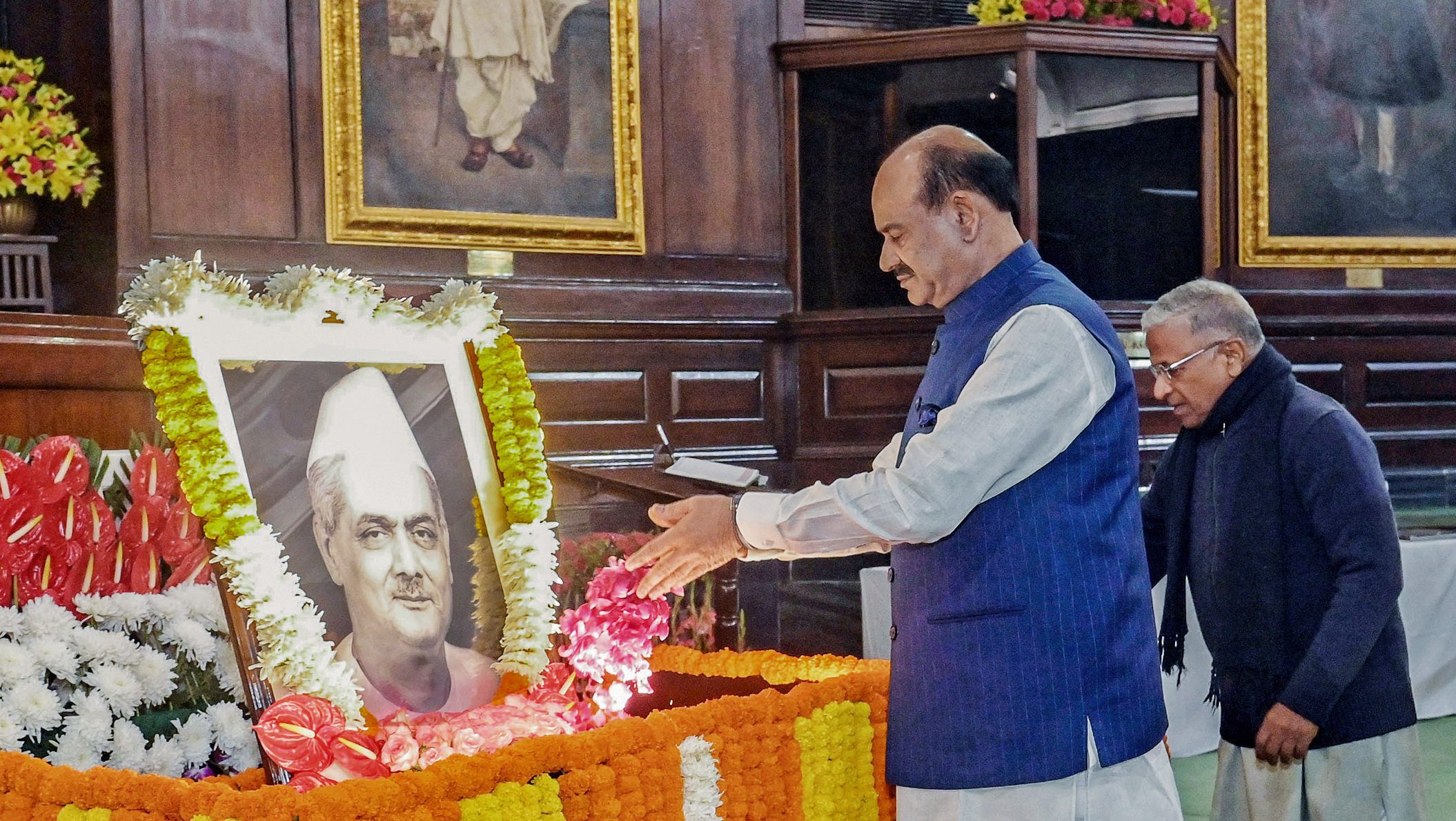
    “Lok Sabha’s first Speaker G.V. Mavalankar, the second Speaker Ananthasayanam Ayyangar, and the first Chairman of the Rajya Sabha and Vice President Dr. Sarvepalli Radhakrishnan had a profound influence on the functioning of parliamentary institutions. They conducted themselves with dignity and impartiality while framing rules, procedures, conventions, and practices. Even though the Jana Sangh had no representation in the Rajya Sabha, I used to watch the proceedings from the visitors’ gallery. It was because of them that I had the opportunity to learn about Question Hour, adjournment motions, bills and resolutions, standing committees, calling attention notices, members’ privileges, and many other aspects. Eminent leaders sitting on the opposition benches spoke with as much eloquence as those on the treasury benches. The Speaker acted as an honest guardian of the rights of the opposition. It was because of these noble traditions that Indian democracy withstood many tests and maintained its international reputation.”

    These words were written by none other than Lal Krishna Advani, one of the founders of the Bharatiya Janata Party, in his autobiography My Country–My Life, describing the parliamentary standards of earlier times.

    Standards endure only when individuals uphold them. If individuals sacrifice standards for personal interests, no standards remain worth citing as examples. If declining social standards enter Parliament, the current functioning of legislatures is proof of what happens. “Guide us. If we go astray, correct us if necessary. Advise us. Scrutinize our conduct,” India’s first Prime Minister Jawaharlal Nehru requested the first Lok Sabha Speaker G.V. Mavalankar. Mavalankar acted accordingly. Whenever serious differences arose, the Prime Minister and the Speaker would consult and resolve them. On one occasion, there was an argument between Nehru and Mavalankar in the House. Nehru wanted to make a second statement the same day, but Mavalankar clarified that it was against the rules. Nehru accepted and withdrew.

    Mavalankar strongly opposed the frequent promulgation of ordinances. He insisted they should be issued only in rare emergencies and that laws must be made in Parliament. He even wrote to the Prime Minister on this matter. If any legal doubt arose, he personally consulted the Attorney General, asserting that the Speaker must function like a judge. Nehru accorded him equal respect. When officials complained to Nehru that parliamentary committees were subjecting their decisions to excessive scrutiny, Nehru replied that it was not within his domain and advised them to approach the Speaker. Many rules framed by Mavalankar remain in force even today. The first Lok Sabha Secretary-General Shakdher described him as a Speaker who maintained balance between the ruling and opposition parties, conducted the House efficiently, and safeguarded public interest. It is noteworthy that Mavalankar, who insisted that Parliament must remain independent of government control, was elected from Gujarat.

    After Mavalankar’s death, Ananthasayanam Ayyangar followed the same path. Born into a Vaishnava Brahmin family in Tiruchanur near Tirupati, he conducted the Lok Sabha impartially. He once stated: “Under a dictatorship or absolute monarchy, citizens’ lives and freedoms have no protection. If the dictator is benevolent, people may live well. But even in a democracy, there is a danger that dominant groups may behave dictatorially and suppress those in smaller numbers. The only person who can firmly control such tendencies and protect minority interests in the House is the Speaker.” He remarked that there were no greater orators than Hiren Mukherjee (CPI) in English and Atal Bihari Vajpayee (Jana Sangh) in Hindi. Even without formal recognition of an Opposition Leader due to inadequate numbers, Ayyangar gave full respect and opportunity to opposition members. In the second Lok Sabha, both ruling and opposition members unanimously proposed his re-election as Speaker — a testimony to the standards he upheld. In 1972, when a Dalit Christian candidate contested from Tirupati, Ayyangar campaigned to support him at Congress’s request, responding to critics by saying, “Secularism is embedded within Vishishtadvaita.” This was later revealed by former Prime Minister P.V. Narasimha Rao.

    After Mavalankar, Speaker Sardar Hukam Singh admitted no-confidence motions against Nehru’s government, declaring that Parliament held supremacy over the government. His successor Neelam Sanjiva Reddy allowed a discussion on a no-confidence motion on the very day the President addressed both Houses. During his tenure, the first parliamentary committee on the welfare of Scheduled Castes and Scheduled Tribes was formed.

    Gradually, parliamentary standards began to decline from 4th Lok Sabha. During the Emergency, parliamentary proceedings were censored in unprecedented ways, yet the presiding officers remained silent. Indira Gandhi forced G.S. Dhillon to resign as Speaker and appointed him Shipping Minister the same day. After the Emergency, Speakers such as K.S. Hegde, Balram Jakhar, Rabi Ray, Shivraj Patil, P.A. Sangma, Balayogi, Manohar Joshi, and Somnath Chatterjee each tried in their own way to uphold the dignity of the office. Balayogi, the first Dalit and first Speaker from a regional party, maintained such neutrality that during his tenure the Vajpayee government fell by just one vote. Later, during the tenures of women Speakers Meira Kumar and Sumitra Mahajan, frequent disruptions occurred. The Telangana movement made Meira Kumar’s tenure extremely difficult, while increasing confrontation between ruling and opposition parties during Narendra Modi’s premiership placed Sumitra Mahajan in a challenging position. Since then, tensions have intensified, and Speaker Om Birla too has found himself in a helpless situation over the past six years, with parliamentary standards steadily declining.

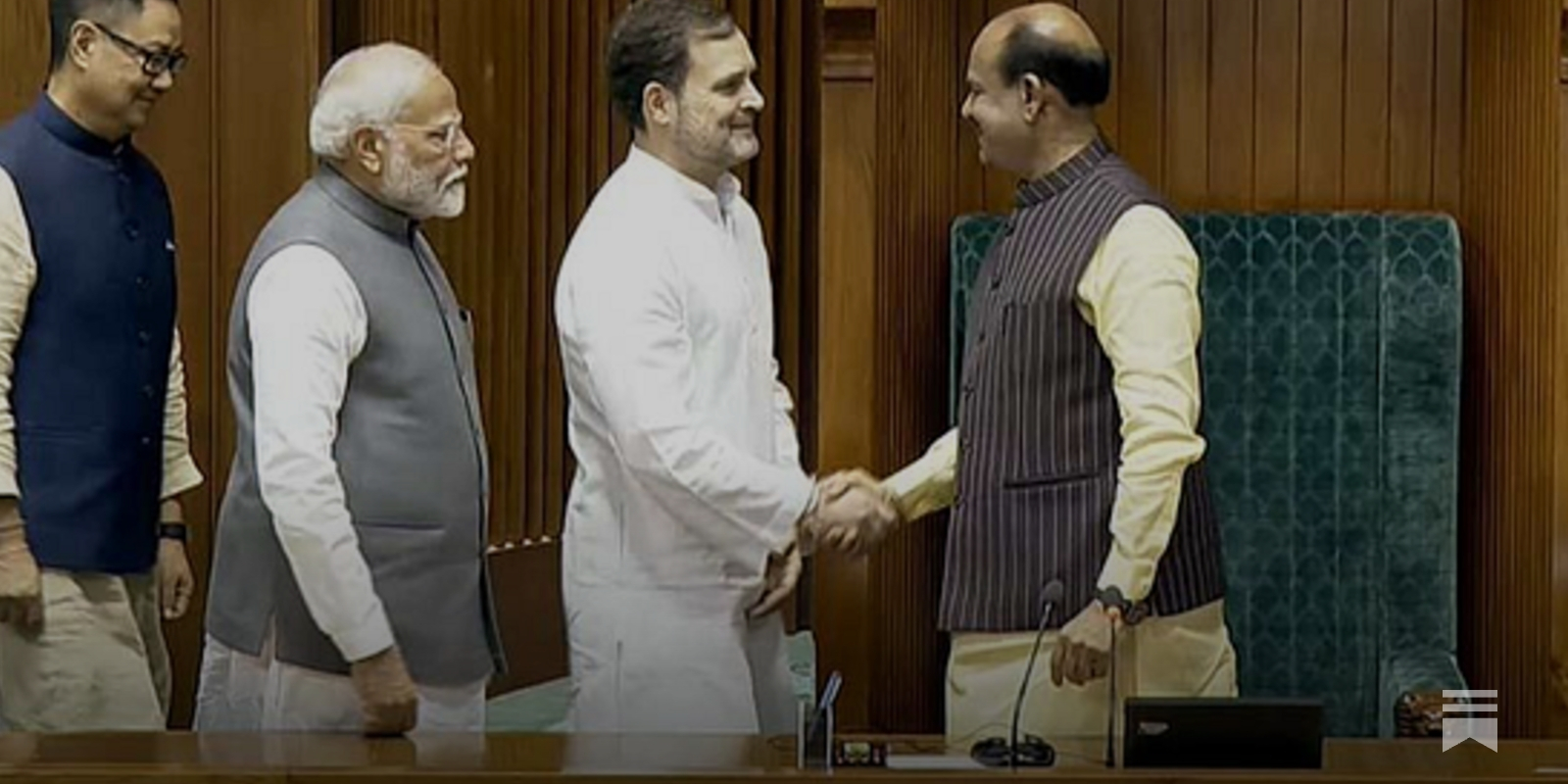
    Recently, opposition parties moved a no-confidence motion against Om Birla for not allowing Congress leader Rahul Gandhi to speak — a sign of the deteriorating condition of Indian democracy. If a discussion had been allowed on former Army General Naravane’s book on the India–China conflict, and if the government had responded, people would have had the opportunity to assess the facts. Instead, opposition parties stalled Parliament. Sessions ended without full discussions on the President’s Address or the Budget, and without the Prime Minister speaking in the Lok Sabha. Furthermore, the Speaker himself claimed he had information that women MPs were planning to attack Modi — an unusual development. In reality, both government and opposition are responsible for failing to show flexibility and for using Parliament as a political arena. In an atmosphere where mutual respect is absent, no one expects the Speaker to remain impartial. As a result, the office of the Speaker too appears to be losing its dignity.

    “The Speaker represents the entire House. He reflects its dignity and freedom. Since the House represents the nation, the Speaker becomes a symbol of freedom in the country. It is therefore a position of great honor. Only individuals of the highest competence and impartiality should occupy it,” said Nehru. But it is impossible to compare those days with the present. Those in power then sought to set standards themselves and serve as role models for future generations. At a time when the country aspires toward a ‘Viksit Bharat’ (Developed India), leaders must internally deliberate on preserving parliamentary democratic standards within a defined timeframe.

  • Rethinking Tax Devolution in Uneven India

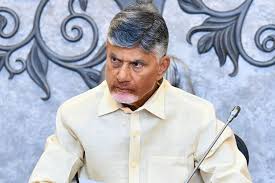
    India’s fiscal federalism is facing a moment of quiet but consequential strain. Chief Minister N. Chandrababu Naidu’s remarks on tax devolution have once again brought to the surface a long-simmering grievance among better-performing states: that they contribute disproportionately to the Union’s tax kitty but receive a shrinking share in return. The data broadly supports this sentiment. A small group of economically advanced states account for the bulk of direct tax and GST collections, while a significant share of tax devolution flows to poorer, high-population states. However, for the country to prosper, all its regions have to prosper, Naidu said in an interview on Sunday with PTI Videos, adding that the states are allies, not enemies.

    Yet, framing this issue simply as “performers versus non-performers” risks obscuring a deeper structural problem. The real question is not whether redistribution is justified—it is—but whether India’s current system of fiscal transfers is equipped to handle the vastly different development trajectories its states have chosen.

    Finance Commissions are constitutionally mandated to address horizontal imbalances among states. Inevitably, this means that poorer states such as Uttar Pradesh, Bihar, and Madhya Pradesh receive a larger share of devolved taxes.Poorer states like UP, Bihar and MP received 36% of the tax  meant for sharing with the states. Against this, these three states contributed only 5% of the total direct tax and Central GST collected by the Centre during that period. This is neither accidental nor malicious; it reflects the principle that citizens should have access to comparable public services regardless of where they live. From this perspective, redistribution is not a penalty on success but a cornerstone of national unity.

    However, this logic begins to fray when redistribution appears perpetual and weakly linked to outcomes. Southern and western states that invested early in education, health, and population control now find themselves disadvantaged by formulae that give significant weight to population size and income distance. Their success in managing fertility and building human capital—once seen as national assets—now translates into lower relative shares. This creates a perverse incentive structure and a growing political resentment.

    Complicating matters further is the Centre’s increasing reliance on cesses and surcharges, which lie outside the divisible pool. While the official share of states stands at 41 per cent of Union taxes, the effective share is considerably lower. States are being asked to shoulder expanding responsibilities—especially in health, education, and infrastructure—without commensurate fiscal space. It is unsurprising, then, that demands are growing to raise the states’ share to 50 per cent.

    Yet, linking devolution directly to tax contribution alone would be equally problematic. Tax collections reflect not just effort but historical advantages, agglomeration effects, and the location of corporate headquarters. A purely contribution-based system would risk locking poorer states into a low-development trap, undermining both equity and long-term national growth.

    The way forward lies in recognising that India is attempting to achieve too many objectives with a single instrument. Tax devolution is being asked to equalise, incentivise, and reward all at once—and predictably, it satisfies none fully.

    A more mature framework would separate these goals. A core equalisation transfer should continue to ensure minimum fiscal capacity for all states. Alongside this, a distinct performance-oriented component could reward states for expanding the national economic pie—through growth, tax effort, infrastructure creation, demographic management, and human capital outcomes. Such a structure would acknowledge both need and contribution without pitting one against the other.

    Equally important is addressing sectoral imbalances. States like Kerala, which prioritised social development, now face infrastructure constraints. Others, like Gujarat, built strong physical infrastructure but lag in social indicators. Poorer states struggle on both fronts. A dedicated, outcome-linked national infrastructure fund—outside routine tax devolution—could help bridge these gaps without distorting the principles of redistribution.

    India’s diversity in development paths is a strength, not a flaw. But managing that diversity requires fiscal institutions that are transparent, differentiated, and forward-looking. Unless redistribution is paired with clear incentives and a fair sharing of resources, political “heartburn” will only intensify.

    The choice before India is not between rewarding success and supporting the vulnerable. It is about designing a federal compact that does both—openly, credibly, and sustainably.

  • Trade ties and War controversies

    On the second day after the Union Budget was presented, immediately following the President’s address, Parliament plunged into severe chaos. This raises a fundamental question: do either the opposition or the government genuinely intend for Parliament to function smoothly? Conventionally, after the Budget is presented, discussion takes place on the motion of thanks to the President’s address, and only thereafter do debates on budget proposals begin. The President’s address to both Houses of Parliament is, in effect, a policy document of the government.

    The President’s address detailed the various welfare schemes being implemented by the Modi government, its programmes, and the priority being accorded to infrastructure development. Rising above political differences, the President called upon all national representatives to work collectively in the national interest in line with the goal of Viksit Bharat (Developed India). Ironically, the very next day after the Budget presentation, parliamentary proceedings became impossible due to intense confrontations between the ruling and opposition parties. Who is responsible for this situation?

    During the discussion on the President’s address that began on Monday, BJP MP Tejasvi Surya launched sharp attacks on the Congress. His remarks accusing the Congress of being opposed to Indian civilisation, culture, nationalism, and patriotism provoked the party. Would a Congress already seething with multiple wounds remain silent?

    Immediately thereafter, Leader of the Opposition Rahul Gandhi entered the fray, strongly objecting to questioning Congress’s patriotism and nationalism. He began by saying, “Since the BJP’s young MP has made remarks about our patriotism and Indian culture, I would like to read out a few sentences.” He proceeded to read excerpts published by The Caravan magazine from Four Stars of Destiny, a book written by former Army Chief General M.M. Naravane on the 2020 border clash with China.

    As soon as Rahul Gandhi began reading passages written by Naravane about Prime Minister Narendra Modi and Defence Minister Rajnath Singh, BJP MPs created an uproar. Defence Minister Rajnath Singh, Home Minister Amit Shah, and Parliamentary Affairs Minister Kiren Rijiju raised strong objections, questioning how excerpts from an unpublished book could be read in Parliament. Speaker Om Birla clarified that doing so was not permissible under Rule 342. Heated arguments ensued not only between ruling and opposition members but also between the Speaker and opposition MPs.

    The same situation continued on Tuesday. Rahul Gandhi submitted a written note to the Speaker asserting that the contents of Naravane’s book were authentic and resumed his speech. However, ruling party members obstructed him as usual. Every time the word “Prime Minister” was uttered, the Speaker intervened. Amid the chaos over Rahul Gandhi being repeatedly stopped, eight Congress MPs were suspended. Eventually, after several adjournments, the House was adjourned till Wednesday.

    Why did the situation deteriorate to this extent? Were Tejasvi Surya’s attacks solely responsible for provoking Congress? Why is the BJP preventing any reference to the contents of General Naravane’s book? In reality, the Centre has been blocking the book’s publication for the past two years. The Ministries of Defence and External Affairs have not yet granted permission to the publisher. Naravane himself stated, “I have written what I had to write. It is for the publisher to decide how to release the book.” He has neither commented on the controversy surrounding the book’s contents nor responded to The Caravan excerpts—suggesting that he stands by what he wrote.

    Border clashes between India and China are not new. Numerous books have documented the mistakes of the Nehru government that led to war with China. During that war, Nehru expressed anguish over possibly losing Assam, saying, “My heart goes out to the people of Assam,” a remark that caused a sensation. The Congress never attempted to conceal the failures, defeats, and mistakes that occurred during its rule. Those very failures are partly why Congress today finds itself on the defensive on issues of national security and unable to recover from electoral defeats.

    But under Modi’s tenure, even discussion of such matters appears impossible. Why is there a refusal to debate issues of national importance, even while minor successes are exaggerated and celebrated with excessive propaganda? Had Naravane’s book been released, it would have been debated for a few days and the matter would have settled.

    Naravane wrote that during China’s intrusion into the Galwan Valley, the Defence Minister conveyed that the Prime Minister told him, “Do whatever you deem appropriate.” What exactly happened at that time, how many discussions were held, with whom, and after how much deliberation the Prime Minister decided to leave the matter to the Army—these details cannot be explained transparently on the floor of Parliament. At the same time, completely suppressing the issue and preventing any voice from being raised in Parliament only fuels suspicion.

    In reality, budget sessions are meant for discussion on the Budget. A positive environment should have been created for debate on the so-called “mother of all agreements” signed with the European Union just days before the Budget. Instead, discussion on the Budget presented by Nirmala Sitharaman collapsed on the second day itself.

    This is the third Budget presented by the Modi government since returning to power for a third term. With revenues estimated at ₹36.5 lakh crore and expenditures at ₹53.5 lakh crore, the government plans to borrow nearly ₹12 lakh crore and raise the remaining funds from the public and through disinvestment. Allocating ₹12.20 lakh crore for capital expenditure, nearly half of it to roads and rail networks, supporting the manufacturing sector, announcing industrial corridors, attempting to curb food inflation, and preparing the country for free trade agreements with global markets—all these may appear impressive. However, none of this may be sufficient to dramatically revive the Indian economy. While the Economic Survey suggested structural reforms, the government appears to have limited itself to announcements suited to current conditions, avoiding tough policy decisions.

    Markets behave like flowing rivers. When blocked in one place, they find another route. The world was not intimidated by Trump’s tariffs. The U.S. was isolated as even its partner countries entered into their own trade agreements. The EU’s agreement with India introduced zero tariffs on many goods. China and Canada struck their own agreements as well. Consequently, Trump was compelled to revise his stance and reduce tariffs on India to 18% to stay competitive.

    However, Trump’s declaration that India would stop buying Russian oil and instead purchase $500 billion worth of agricultural products, energy, technology, coal, and other goods from the U.S. triggered debate over the agreement’s implications. Rahul Gandhi alleged that Modi compromised with the U.S. and that Indian farmers would suffer, while Commerce Minister Piyush Goyal asserted that this historic agreement would create vast opportunities for Indian citizens.

    Until the official details of the India–U.S. joint trade agreement are publicly disclosed, neither excessive optimism nor pessimism is advisable. Nevertheless, the Modi government has entered into two major international agreements at the beginning of 2026—an undeniable development. At the same time, it has become entangled in controversies such as Naravane’s book and the Epstein files. The consequences of these developments will become clear in due course.(4-2-2026)