Tag: india

  • “Beyond the Uproar: Elections Will Decide All”

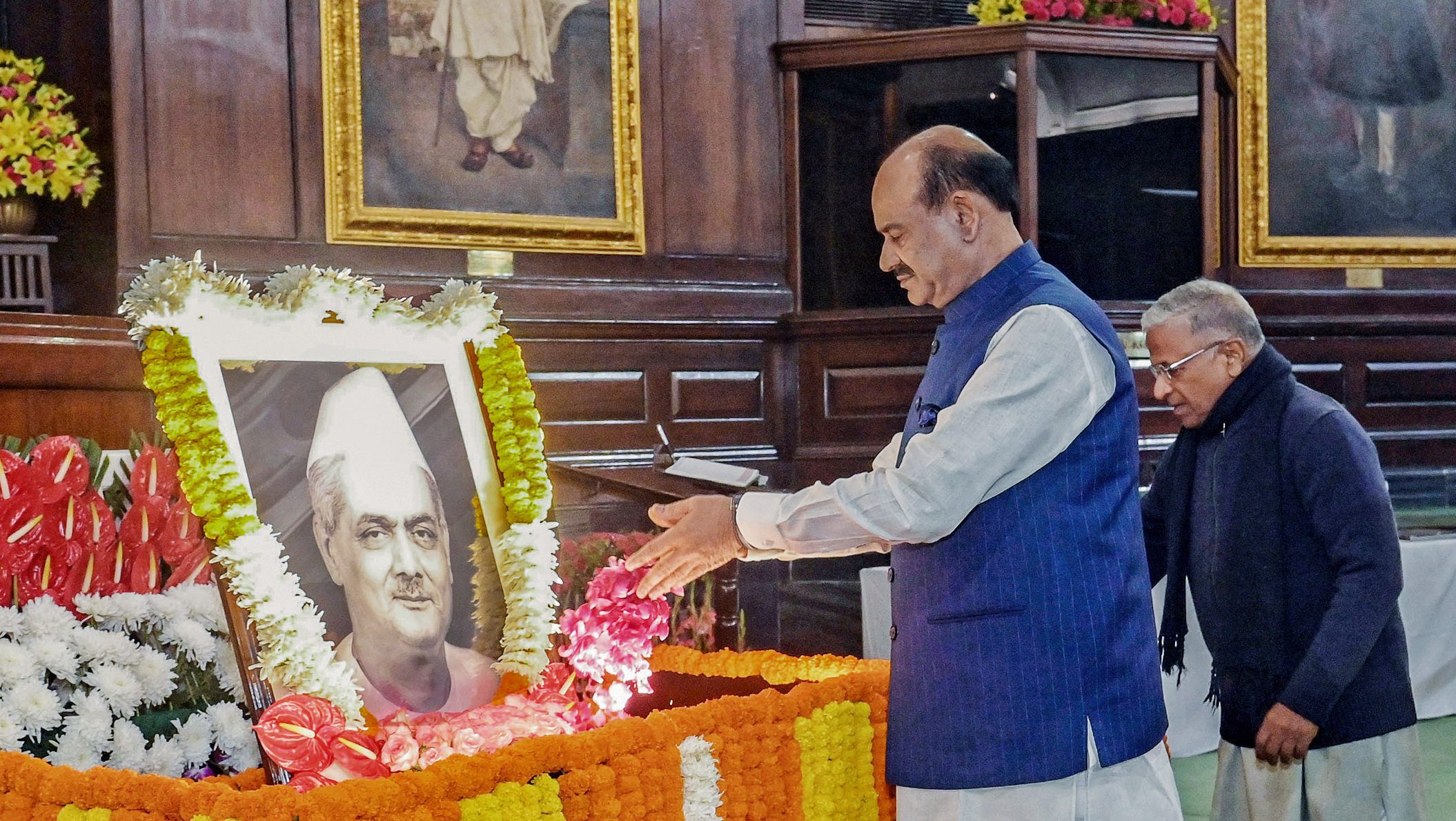
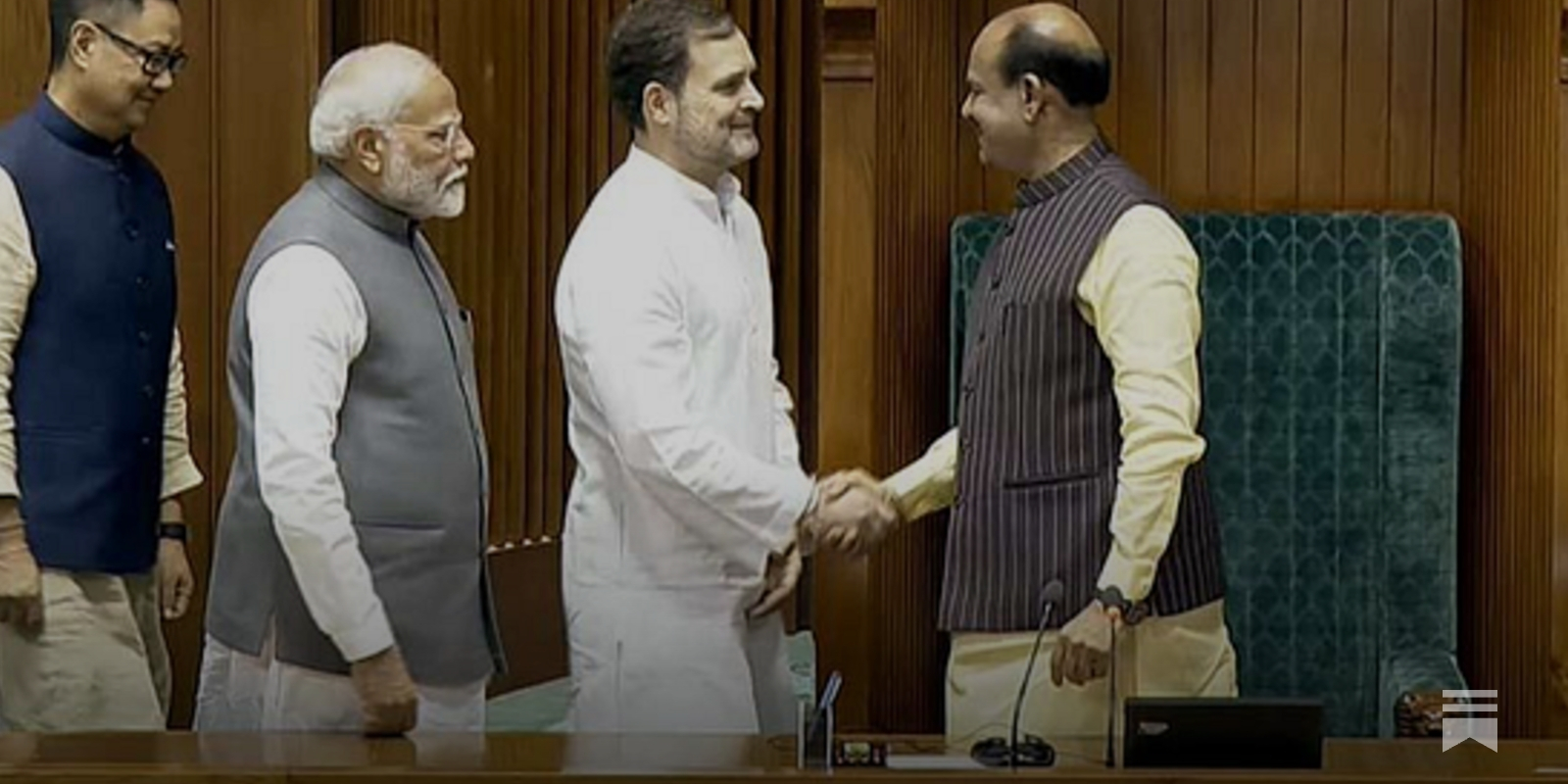
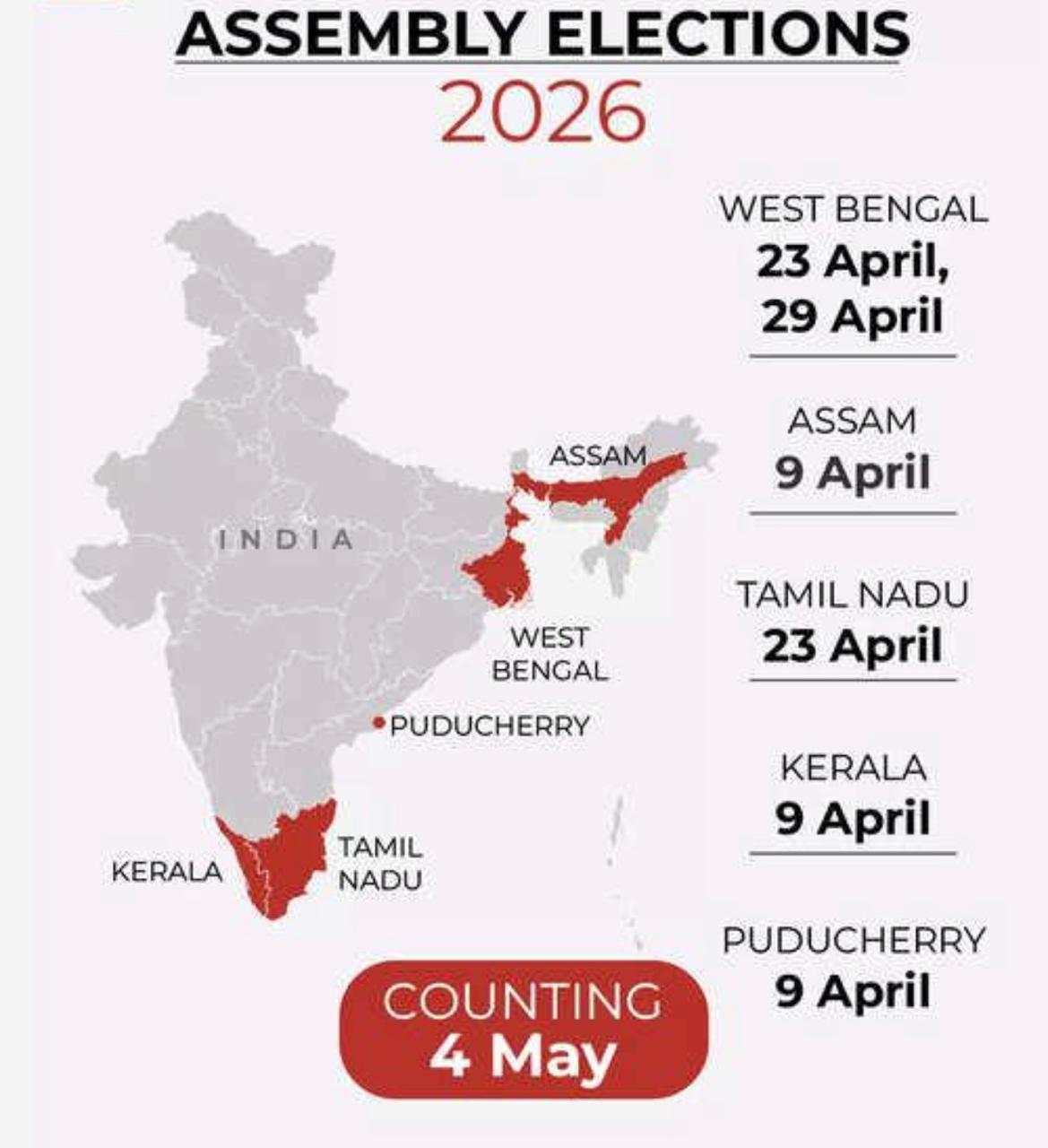
    Elections have been announced in a Union Territory. Now everyone’s attention is on the developments taking place in the election-bound states. For the past two days, parliamentary proceedings have been running smoothly. The government and the Speaker agreeing to lift the suspension of eight MPs who were suspended in previous sessions is an indication that some understanding has been reached between both sides. However, no matter how much uproar is created in Parliament, or how stubbornly the government behaves, ultimately both the ruling party and the opposition must prove their strength before the people, right? Unless public anger against the government erupts and is reflected in election results, there is no benefit in stalling Parliament. After Parliament discussed and rejected the no-confidence motion brought against him over two days, Speaker Om Birla, upon resuming his seat, remarked, “These two days of the House’s time have been wasted.”

    It is surprising that the opposition was not even ready for voting on the no-confidence motion they themselves introduced. Wouldn’t it have been better if a message had gone out that 233 opposition members in the House opposed Om Birla? Perhaps the opposition feared that it would give an impression to the public that they are not united. It is noteworthy that MPs from the Samajwadi Party and Trinamool Congress did not sign the no-confidence motion. Even so, adhering to opposition dharma, they spoke in favor of it. While a discussion was supposed to take place on the no-confidence motion against Om Birla, insisting on discussing West Asia and stalling the House suggests that Congress was not serious about its own motion and had its reasons. Yet, their opposition is directed more at Modi than at Birla, isn’t it?

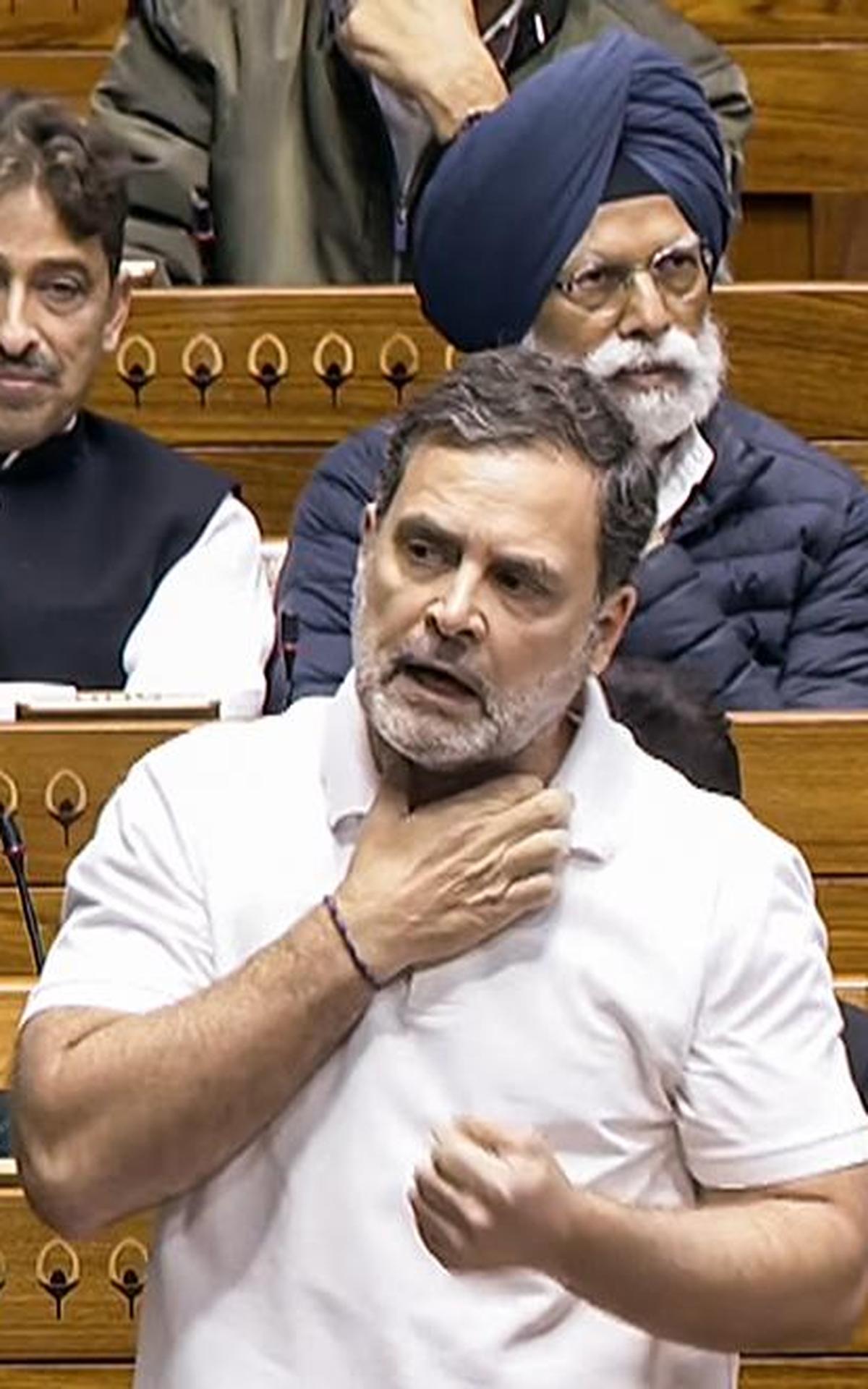
    In fact, Parliament provides an excellent platform for the opposition to clearly present their views and attract public attention. In the past, leaders like Hiren Mukherjee, Indrajit Gupta, Piloo Mody, Atal Bihari Vajpayee, George Fernandes, Sushma Swaraj, Arun Jaitley, and Venkaiah Naidu made remarkable speeches while in opposition, which established them as national leaders. Compared to them, it must be said that Rahul Gandhi has not yet emerged as a powerful orator in Parliament. It cannot be said that Congress lacks good speakers, but since Rahul Gandhi is the Leader of the Opposition, politics revolves around him. He seems to have developed a style of creating commotion by bringing up topics like Nirav or Epstein just moments after beginning to speak. Perhaps he is missing the opportunity to present the same issues in a powerful, flowing speech that could captivate not only members but the entire nation. On the other hand, Priyanka Gandhi Vadra, though she has delivered only a few speeches so far, has made them widely discussed. After she challenged, “Make all your criticisms against Nehru at once… let’s discuss them,” the ruling party’s criticism of Nehru in Parliament subsided. During the debate on the no-confidence motion against Om Birla, Trinamool MP and 33-year-old actress Sayoni Ghosh spoke so effectively and exposed the BJP’s stance in a way that no one had expected.

    The fortune of the Bharatiya Janata Party, especially Prime Minister Narendra Modi, lies in the fact that the opposition has not only failed to stand strong in elections but is also not effectively using Parliament as a platform. Even though there are many issues to criticize Modi on, Congress’s attacks are not reaching the public strongly. Interestingly, even in states where the BJP is not very strong, there are intellectuals who argue that Modi is extremely powerful. For example, in Karnataka, Tamil Nadu, Kerala, Andhra Pradesh, and Telangana, the BJP is not very strong. Yet, if two people from these regions talk for ten minutes, Modi’s name repeatedly comes up in their conversation. There are more people overestimating Modi’s strength than perhaps necessary. It is said that a German leader once remarked, “Even criticizing me is a crime, and ignoring me is also a crime!” This situation is perhaps pushing Modi to consider simultaneous elections.

    Coming to the southern states, after losing in Karnataka in 2023, the BJP has not yet recovered and is struggling with internal conflicts. B. S. Yediyurappa has completed 50 years in politics but has made it clear that he is not ready to retire. Just as there is uncertainty at the national level about who will succeed Modi, in Karnataka too it is unclear who will lead after Yediyurappa. Even BJP leaders themselves cannot say whether the party will strengthen in Karnataka by the next elections. In Telangana, everyone knows the BJP is struggling to rise above the third position. In Kerala, which is heading into assembly elections, it is not easy to predict whether the BJP will increase its vote share or win even ten seats. In Tamil Nadu, the confusion within the BJP is evident from its own actions. Despite attempts to split the AIADMK or promote Annamalai, the BJP has not gained strength. Ultimately, it has had to ally again with the AIADMK and depend on the seats given by it, even resorting to moves like offering the Deputy Chief Minister post to actor Vijay, who is new to politics. No matter how much the BJP expands in northern India, the people of the southern states have not yet embraced it. It is leaders who are welcoming it with shawls, not the people!

    At the national level, the BJP’s strategy broadly includes consolidating Hindu votes, pursuing politics in the name of nationalism, and projecting Modi as a strong leader. However, in states like West Bengal, Assam, Tamil Nadu, Kerala, and Puducherry, where elections are being held, Hindutva politics is not as strong as in the north and west. A form of sub-nationalism exists in these states, similar to Andhra Pradesh and Telangana. Therefore, making BJP-style politics succeed in these states is a real test for the party and for Modi. The BJP knows that fighting regional parties is not as easy as fighting Congress. Moreover, in states where the BJP has won, even relatively unknown leaders have been accepted as Chief Ministers. But such a situation does not exist in the current election-bound states. When L. K. Advani was BJP president, strong leadership was built in every state, including leaders like Modi. Today, Modi does not have leaders at either the national or regional level who can stand beside him and draw public applause. This is both his strength and his weakness.

    In the southern states, apart from marginally increasing vote share and maintaining alliances, there is little the BJP can achieve. Winning West Bengal is a major challenge for Modi. Modi and Amit Shah are making every possible effort to defeat Mamata Banerjee this time. They are well aware that Hindutva politics alone cannot secure victory in Bengal. Efforts such as revising voter lists and allegedly removing over six million voters, replacing the governor with IPS officer R. N. Ravi, making administrative changes, conducting ED raids, and consolidating Hindu votes are all being undertaken. Addressing a rally at Kolkata’s Parade Ground a day before the election announcement, Modi expressed concern that Hindus might become a minority in Bengal. The BJP’s strength in Bengal is gradually increasing. However, Modi and Amit Shah failed to defeat Mamata Banerjee in 2016 and 2021. Now they are facing her for the third time. Although they could not defeat Arvind Kejriwal in Delhi in 2015 and 2020, they managed to secure victory in 2025 on the third attempt. Will they be able to repeat that success in Bengal this time? Can Bengal be compared with Delhi? In any case, past elections are one thing, and the upcoming elections are another. These elections can be seen as a trial by fire for the strategies Modi has pursued over the past twelve years. Will Modi be able to withstand the challenges emerging at both national and international levels, counter questions about his policies, and outmaneuver opposition strategies to stand tall like a formidable leader?

  • “Between Inclusiveness and Centralization: The RSS at a Crossroads”

    What direction does Mohan Bhagwat’s idea of “Sarvesham Avirodhena” — accepting everyone without opposition — suggest for India? The question has gained renewed relevance as the Rashtriya Swayamsevak Sangh (RSS) enters its centenary phase and its chief addresses diverse audiences across the country. His meetings are drawing an unusually wide cross-section of society. Academics, doctors, lawyers, business leaders, artists, poets, writers, sportspersons, actors, media professionals, former judges, and representatives of voluntary organizations have attended his interactions. Even individuals who once sharply criticized the RSS, as well as those who earlier remained neutral, are now seen at these gatherings. In Mumbai, prominent film personalities were present to listen to him, and in Hyderabad even left-leaning participants attended his address. The sheer diversity of attendees has itself become a subject of discussion, raising questions about whether this reflects ideological curiosity, political pragmatism, or a broader search for direction in uncertain times.

    “Accepting everyone without opposition” implies social harmony that transcends divisions of religion, caste, language, and class. It suggests that minorities are partners in the national journey rather than adversaries, that ideological diversity is natural in a plural society, and that the strength of the nation ultimately rests on the character and discipline of its citizens. Within the RSS framework, this aligns with its long-standing objective of organizing Hindu society. At the same time, Bhagwat has acknowledged that certain earlier hardline positions — particularly some formulations associated with M. S. Golwalkar’s book Bunch of Thoughts — were shaped by specific historical contexts and should not be treated as eternal doctrine. This acknowledgment is widely viewed as an effort to recalibrate ideological emphasis for contemporary India.

    The historical evolution of the RSS provides important perspective. The organization was founded in 1925 by K. B. Hedgewar. An often-overlooked detail is that Hedgewar continued as a member of the Indian National Congress until 1935, even after establishing the RSS. This reflects the fluidity of nationalist politics in the early twentieth century, when ideological boundaries were not rigid. The period witnessed internal debates between moderate and radical tendencies within the Congress, the emergence of Mahatma Gandhi as a mass leader, the formation of the Communist Party of India, the influence of global ideological currents, and powerful social reform movements.

    Among the most significant of these reform efforts was the Mahad Satyagraha of 1927 led by B. R. Ambedkar. At Mahad, Ambedkar mobilized Dalits to assert their right to draw water from a public tank, challenging the entrenched system of untouchability. The movement was a forceful assertion of equality and dignity within Hindu society. The RSS emerged in this broader atmosphere of social churning, when caste hierarchy, representation, and reform were intensely debated. Hedgewar’s emphasis on transcending caste divisions must therefore be understood within this larger historical context.

    After Hedgewar’s death, the RSS underwent further transformation. The distance between the Congress and the RSS widened as Jawaharlal Nehru adopted a European-influenced model of secularism, and the Quit India Movement spearheaded by Gandhi and Nehru sought to rejuvenate mass resistance against colonial rule. Under Golwalkar, the trauma of Partition and communal tensions sharpened the articulation of cultural nationalism. Later, under Balasaheb Deoras, the organization expanded its social and political engagement. Deoras maintained working relations with leaders across ideological divides, including Indira Gandhi and P. V. Narasimha Rao, reflecting a pragmatic openness to dialogue. He also played a role in facilitating the merger of the Bharatiya Jana Sangh with the Janata Party in the post-Emergency period, a development that eventually led to the formation of the Bharatiya Janata Party (BJP). This phase demonstrated that the RSS could influence political realignments while retaining organizational distinctiveness.

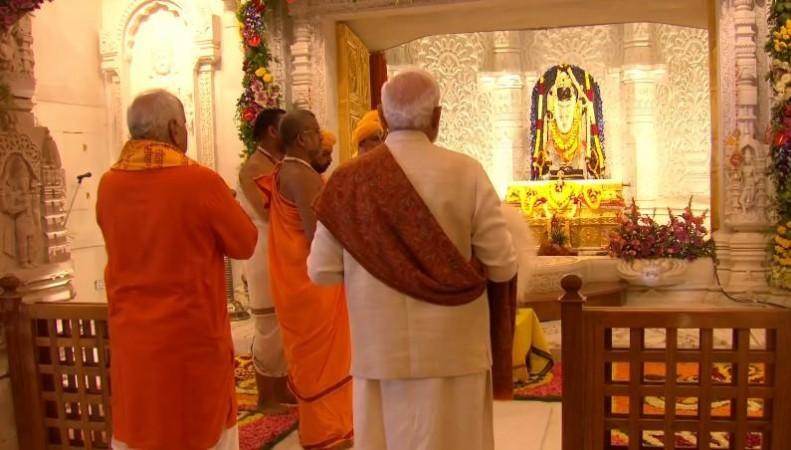
    In contemporary India, however, the distinction between the RSS and the BJP is often blurred in public perception. Bhagwat has repeatedly stated that the RSS does not seek political power and should not be equated with the BJP. Yet the BJP’s prolonged tenure under Narendra Modi has given rise to what critics describe as a “one man–one party” model, where political authority and electoral appeal are highly centralized around a single leader. Symbolism has reinforced this perception. When Bhagwat was seen standing behind Modi during the Pranaprathista of Lord Sriram at the Ram Temple in Ayodhya, many observers naturally assumed that Bhagwat stands behind Modi in all his actions and decisions. Such imagery strengthens the impression that ideological and political authority function in close alignment, even if institutional distinctions are formally maintained.

    This generates a fundamental tension. If “Sarvesham Avirodhena” calls for inclusiveness and accommodation, can it coexist with a political structure that appears increasingly centralized? Supporters argue that decisive leadership is necessary in a complex global environment. Critics counter that inclusiveness requires institutional pluralism, space for dissent, and broader participation in shaping national priorities.

    Bhagwat’s recent remarks have also addressed economic and intellectual concerns. He has expressed reservations about uncritical globalization and about the long-term implications of the Indo–US strategic and economic relationship. Observers debate whether such engagements enhance India’s autonomy or deepen structural dependencies. At the same time, Bhagwat has emphasized the urgency of building strong indigenous research ecosystems. Cultural confidence, in his view, must be matched by sustained investment in knowledge creation and innovation. However, India continues to invest less than one percent of its GDP in research and development, and the country lags significantly behind China in scientific and technological advancement.

    Ultimately, Bhagwat’s articulation suggests a vision rooted in cultural nationalism, social cohesion, character building, intellectual self-strengthening, and broad societal outreach. Yet the credibility of “Sarvesham Avirodhena” will depend not merely on its rhetorical appeal but on how effectively it addresses caste inequities, minority concerns, centralized political authority, research deficits, and strategic economic choices. India stands at a transitional juncture reminiscent of earlier periods of ideological debate and reform.

    The final and perhaps most consequential question, therefore, is whether the Rashtriya Swayamsevak Sangh under Bhagwat will actively shape this trajectory. Will it function primarily as a cultural and moral force, offering broad civilizational guidance while maintaining distance from day-to-day politics? Or will it intervene more directly in shaping policy priorities, influencing debates within the Bharatiya Janata Party, and moderating the balance between centralization and inclusiveness?

    If “Sarvesham Avirodhena” is to move beyond rhetoric, the RSS under Bhagwat may have to demonstrate through institutional conduct, public messaging, and social initiatives that inclusiveness is compatible with ideological conviction and strong leadership. Its engagement with questions of social harmony, minority outreach, caste reform, federal balance, and knowledge-driven development will be critical. In that sense, whether the RSS chooses to remain a guiding influence or becomes a more assertive actor may significantly shape how India’s democratic and civilizational journey unfolds in the decades ahead.

  • India Produces CEOs — So Why Not World-Class Universities?

    India’s higher education system stands at a strange crossroads. It is one of the largest in the world, enrolling more than 40 million students across over a thousand universities and tens of thousands of colleges. Yet, despite this vast scale, no Indian university has entered the top 100 of the QS World University Rankings 2026. The contrast is stark: institutions like the Massachusetts Institute of Technology, Imperial College London, Stanford University, University of Oxford and Harvard University continue to dominate the top positions, while India’s highest-ranked institution remains outside the elite bracket. This is not merely a matter of prestige; it reflects deeper structural weaknesses in research, academic culture, governance and integrity.

    For years, India has witnessed what the Yashpal Committee described as the “mushrooming” of higher educational institutions. The rapid proliferation of private and deemed universities has created an uneven landscape where expansion often precedes quality assurance. While private investment in education is not inherently problematic, the monetisation of degrees and dilution of regulatory scrutiny have led to a system increasingly driven by numbers—student intake, campus size, publication count—rather than substance.

    The obsession with quantity over quality is particularly visible in research. Faculty appraisals, accreditation metrics and institutional branding frequently rely on publication counts. Predictably, this has encouraged the growth of predatory journals, paper mills and unethical authorship practices. India produces a large volume of research output, yet much of it goes unindexed, uncited and unnoticed globally. Academic reputation cannot be manufactured through inflated numbers. It emerges from sustained, rigorous scholarship, peer recognition and intellectual honesty.

    The events at the 2026 India AI Impact Summit exposed this malaise in dramatic fashion. Galgotias University, a private university based in Greater Noida, showcased a robotic dog named “Orion” and presented it as an in-house innovation developed by its Centre of Excellence. Observers quickly identified the machine as a commercially available Chinese-made Unitree Go2 robot. What was claimed as indigenous innovation turned out to be a rebranded product. Following public backlash, the university was asked to vacate its stall. The episode was not just an embarrassment for the institution; it was emblematic of a deeper crisis in academic integrity.

    This was not merely a case of miscommunication. It reflected a troubling culture of spectacle over substance—where exhibitionism substitutes for research, and branding replaces originality. Even more concerning was that the university holds formal recognition and accreditation. The incident therefore raised uncomfortable questions about regulatory oversight and the credibility of quality assurance mechanisms. If institutions can publicly misrepresent commercial products as research achievements, what does that imply about internal review processes, faculty evaluation systems and research verification standards?

    Such episodes damage more than a single university’s reputation. They undermine confidence in the broader academic ecosystem and cast doubt on the authenticity of innovation emerging from India’s campuses. In a global environment where credibility is paramount, even isolated incidents can have disproportionate consequences.

    The crisis extends beyond private universities. Public institutions, including Delhi University and Jawaharlal Nehru University, often struggle with faculty shortages, regulatory micromanagement and constraints on academic autonomy. Academic excellence thrives on intellectual freedom—the freedom to question, dissent, experiment and critique. Without a protected “Socratic space,” universities risk becoming instruments of conformity rather than engines of innovation.

    The government’s recent push under the National Education Policy 2020 to internationalise higher education, including inviting foreign universities to establish campuses in India, is presented as a corrective measure. The logic is that global competition will raise standards and retain students who otherwise go abroad. While the entry of foreign institutions may offer new opportunities, it cannot substitute for systemic reform. Reputation cannot be imported. Research culture cannot be franchised. Institutional excellence requires long-term investment in faculty, laboratories, research funding and governance transparency.

    India’s research expenditure remains below 1% of GDP, far lower than that of leading knowledge economies. Faculty–student ratios remain unfavourable in many institutions due to mass enrolment without proportional recruitment. Graduate unemployment signals a misalignment between curriculum and employability. International students hesitate to choose India because of inconsistent quality, bureaucratic hurdles and limited post-study opportunities. These are structural challenges that branding exercises or regulatory tweaks cannot solve.

    The fundamental issue is not international rankings; it is credibility. Global citations, academic reputation and foreign student enrolment are outcomes—not starting points. They reflect the underlying health of an academic system. When plagiarism is normalised, when publication quantity outweighs research quality, when political conformity eclipses intellectual autonomy, and when institutions chase spectacle instead of scholarship, rankings merely mirror the reality.

    Yet the paradox persists. India has outstanding institutions like the Indian Institutes of Technology, Jawaharlal Nehru University, the Indian School of Business and the Delhi School of Economics. It has produced global leaders such as Satya Nadella and Sundar Pichai. If such excellence exists, why does the overall system still struggle to match the standards of leading universities abroad?

    The answer lies not in individual brilliance but in systemic structure. India has islands of excellence, not a uniformly strong academic ocean. Elite institutions admit the top fraction of students through fiercely competitive examinations. They function well because they select exceptional talent, attract relatively stronger faculty and receive better visibility and funding. But the broader ecosystem—thousands of universities and colleges—does not operate at that level. Global standards are determined by depth across tiers, not by a handful of elite outliers.

    The global success of figures like Nadella and Pichai reflects the strength of Indian talent. But their achievements were shaped by exposure to advanced research ecosystems, institutional autonomy and well-funded innovation environments abroad. Brilliant individuals can emerge from imperfect systems. Sustainable global academic reputation, however, requires robust institutions—equipped with research funding, intellectual freedom, ethical discipline and long-term vision.

    The Galgotias episode should therefore be read as a warning, not an anomaly. It illustrates what happens when numbers overshadow knowledge and image overshadows inquiry. If India aspires to become a genuine global education hub by 2047, as policy frameworks suggest, it must first address the foundations. Quality must precede quantity. Autonomy must accompany accountability. Research must value impact over volume. And merit must prevail over spectacle.

    There is no shortcut to academic reputation. It cannot be engineered through branding or borrowed prestige. It must be built patiently, through integrity, intellectual courage and sustained investment. Only then will India’s vast educational system match the brilliance of its people.

  • From Visakhapatnam to the World: India’s High-Stakes AI Gamble

    At the AI Impact Summit in New Delhi, Prime Minister Narendra Modi unveiled what he called the M.A.N.A.V. vision for artificial intelligence — moral, accountable, national, accessible and valid. It was a speech rich in symbolism and strategic intent. India, he argued, does not fear AI; it sees opportunity. It does not seek dominance; it seeks democratization. It does not want technological colonialism; it wants sovereignty with inclusivity.

    On stage were leaders such as Emmanuel Macron and Luiz Inácio Lula da Silva, alongside technology executives including Sundar Pichai and Sam Altman. The optics were deliberate. India was positioning itself as the democratic voice in an AI world increasingly defined by American corporate power and Chinese state-driven industrial strategy.

    Pichai, in particular, added a layer of emotional symbolism. Recalling his student days, he said he often took the Coromandel Express from Chennai to IIT Kharagpur, passing through Visakhapatnam — then “a quiet and modest coastal city brimming with potential.” “I never imagined Visakhapatnam would become a global AI hub,” he said. Today, he announced, Google’s full-stack AI hub in that very city as part of its $15 billion investment in India — housing gigawatt-scale compute and a new international sub sea cable gateway would deliver jobs and cutting-edge AI capabilities across the country.

    The message was powerful: global capital validating India’s AI rise. Yet the summit also exposed the widening gap between hype and structural reality.

    India today is one of the largest AI user markets in the world. Its 1.4 billion citizens rely deeply on digital infrastructure provided by foreign platforms — primarily Google, Microsoft and Meta. It is difficult to imagine the economic and social paralysis that would follow if YouTube, Android services, cloud infrastructure or major social media platforms were suddenly withdrawn. India is among their largest markets, generating billions in advertising, subscription and data-driven revenues. Yet the core technological layers — GPUs, advanced semiconductors, frontier models — remain largely outside Indian ownership.

    This dependency has prompted calls for more aggressive policy responses. One suggestion gaining quiet traction is the idea of a stronger digital tax regime. If India does not own the GPUs, the chips or the core models, the argument goes, it must at least capture a fair share of the value generated from its data and user base. A digital tax could be framed not as protectionism, but as reinvestment capital — a mechanism to fund domestic compute clusters, semiconductor initiatives and sovereign research programs.

    The contrast with China is frequently invoked in this debate. Beijing did not allow American search engines and social networks to dominate its domestic market during the first wave of the internet revolution. It built domestic equivalents and protected them through regulatory firewalls. In the current AI wave, China has again pursued vertical integration — investing in rare earth supply chains, semiconductor fabrication, data centers and foundational AI research. Companies such as Unitree Robotics, whose Unitree Go2 robotic dog was controversially displayed at the summit expo under the label “Orion,” represent not merely startups but components of a broader industrial strategy.

    India’s model has been different — open markets, global integration, and a focus on services and SaaS. But SaaS dominance in a pre-AI era may not guarantee relevance in a post-AI world. As generative AI begins to automate coding, workflow management and enterprise solutions, many application-layer companies face margin compression. Unlike China with ByteDance’s TikTok or the United States with YouTube, India does not possess a globally dominant consumer tech brand at comparable scale. Its strength has been backend services, not platform ownership. If AI collapses the value of application wrappers built atop foreign models, India’s current comparative advantage could narrow significantly.

    Another structural vulnerability is brain drain. A disproportionate number of leading AI researchers and engineers of Indian origin work in American firms and research labs. While this diaspora influence enhances India’s soft power, it also reflects a domestic ecosystem that has not yet retained frontier talent at scale. When the core breakthroughs happen in Silicon Valley rather than Bengaluru, sovereignty becomes aspirational rather than operational.

    These tensions surfaced dramatically in the controversy surrounding the summit expo. The Opposition Leader Rahul Gandhi described the event as a “disorganised PR spectacle,” accusing the government of allowing Indian data to be showcased while Chinese hardware was presented as domestic innovation. He argued that instead of leveraging India’s talent and data power, the government had reduced AI to optics, even inviting mockery from foreign media. Whether exaggerated or not, the symbolism was politically potent: in a domain framed around sovereignty, authenticity matters.

    Yet dismissing the summit entirely as spectacle would also be simplistic. India does possess foundational assets that few nations can match: scale, digital public infrastructure, a vast multilingual dataset, and geopolitical positioning between the United States and China. Aadhaar-linked systems, UPI’s payments architecture and digital governance layers create a test-bed environment for AI deployment at population scale. Few democracies can integrate AI into welfare delivery, financial inclusion and public services as rapidly.

    The central question, then, is not whether India is leading AI today. It clearly does not control the foundational layers at the scale of the United States or China. Nor does it have the industrial depth that Beijing built over decades through coordinated state policy. The real question is whether India can convert its demographic scale and digital footprint into long-term technological autonomy.

    Modi’s MANAV framework articulates a moral and strategic ambition — sovereignty without isolation, democratization without dependency. Pichai’s Visakhapatnam announcement underscores both the promise and the paradox: global investment flowing in, yet foundational infrastructure still foreign-owned. Sovereignty in AI is measured not by summit declarations, but by ownership of compute, chips, research and platforms. If India remains reliant on American cloud infrastructure and imported GPUs, the rhetoric of independence will face credibility tests. If domestic initiatives — semiconductor manufacturing, sovereign language models, and public-private R&D collaborations — scale meaningfully, the narrative could solidify into substance.

    Hype is not inherently deceptive; it is often a political tool to mobilize investment and confidence. But hype must be matched with institutional follow-through. A digital tax regime, serious capital infusion into domestic compute, retention of AI talent, and creation of globally competitive consumer platforms would signal that the ambition is structural, not symbolic.

    India stands at an inflection point. It can continue as the world’s largest AI user market — influential, visible and profitable for foreign firms — or it can leverage this moment to deepen industrial capacity and strategic autonomy. The MANAV speech set the tone. The coming decade will determine whether it becomes a blueprint for sovereignty or a chapter in political theatre.

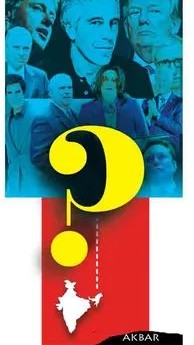
  • How Many Epsteins Walk Among Us?

    Within two days of U.S. Attorney General Pam Bondi announcing that all files related to Jeffrey Edward Epstein—who committed unheard-of atrocities—had been released, President Donald Trump declared that his innocence had been proven and that he had no connections whatsoever with the criminal. Although Trump’s name reportedly appeared 38,000 times in these files, the U.S. Department of Justice also clarified that the mere mention of names does not mean that everyone referenced had any involvement in Epstein’s heinous crimes.

    There may continue to be numerous rumors on social media for some time regarding the names found in Epstein’s emails and the various photographs circulating online. However, strong efforts are underway to draw a curtain over the Epstein episode that shook not only the United States but many other countries as well. In fact, when Epstein was found dead in a U.S. jail in 2019, it seemed as though a major act in the effort to whitewash his crimes had concluded. With the U.S. Justice Department stating that it had nothing further to disclose about Epstein’s connections with top leaders of major American parties, as well as numerous global leaders, business magnates, and prominent individuals, many must have breathed a sigh of relief. How could they welcome the exposure of the rot within the world’s financial systems and the filth embedded in political structures that might engulf them?

    Many of Prime Minister Narendra Modi’s opponents believed that the release of the Epstein files could pose a threat to his government as well. However, it turned out to be a storm in a teacup. Apart from a mention in emails that Modi traveled to Israel for work related to Trump, there was no other reference to him. As for Union Minister Hardeep Singh Puri, though his name reportedly appeared several times, no evidence was found suggesting his involvement in Epstein’s criminal activities. Puri maintains that he became acquainted with Epstein while working with an international peace organization, where Epstein was part of a delegation, and that he later sought his assistance in matters beneficial to India. After retiring from India’s Ministry of External Affairs in 2013, Puri was appointed to the Union Cabinet in 2019. If Prime Minister Modi entrusted the former diplomat with key responsibilities, it is not an exaggeration to assume that Puri must have rendered services beneficial to India on the international stage.

    What does the Epstein affair tell us? It makes clear that the rule of law is not equal—not only in India but anywhere in the world. It reveals that there is perhaps no place where justice is dispensed equally to all, irrespective of wealth, influence, or social standing, and that institutional weaknesses exist everywhere in the investigative process. The growing tendency to commit grave crimes while disregarding the criminal justice system—backed by financial power and political clout—poses a major challenge to modern legal systems.

    Although allegations that Epstein was involved in the trafficking of minor girls surfaced as early as 2005, the American legal system did not take them seriously. When he was arrested in 2008, Epstein accepted the charges against him, thereby securing a reduced legal process. The system appeared to acquiesce to his efforts to mitigate the severity of prosecution. Even during the few months he was in custody, he allegedly continued his illegal activities through his influence, with authorities turning a blind eye. Following renewed allegations and the anguished cries of victims, the case was reopened after 11 years in 2019, and he was arrested again. Within days of that arrest, Epstein died under suspicious circumstances in jail; it was officially ruled a suicide. Owing to media reports and public demand, the Epstein files were released, and the names of many powerful figures surfaced, causing a sensation.

    The tragic reality is that the world is filled with such Epsteins. Exploiting loopholes in political and economic systems, individuals like him rise as influential figures. Though he had no notable academic credentials and once worked as a teacher, Epstein was worth 600 million dollars at the time of his death. He owned the largest private mansion in New York City, two islands, homes in New Mexico and Paris, numerous cars, private aircraft, and substantial investments in several companies. How did all this wealth accumulate?

    Epstein cultivated relationships with U.S. Presidents Trump, Biden, and Clinton; billionaires Elon Musk and Bill Gates; Melania Trump; as well as numerous heads of state, business leaders, and senior officials worldwide. At least a hundred political leaders from various countries, senior diplomats, over 200 billionaires, and corporate chiefs were said to have fallen into his web. He funded public representatives, lawyers, and even media organizations. He provided financial support to universities and research institutions. Even progressive intellectual Noam Chomsky was among those who received his patronage. Epstein flew many individuals on his private jets and hosted others at his Palm Beach mansion in luxury. He not only sexually abused numerous young women and minor girls but also used them to entrap prominent figures. By financing political leaders across several European countries, he reportedly influenced their political systems. Once connections with him were exposed, major figures in ten countries resigned. Diplomats and ministers stepped down in multiple nations. Some expressed regret; most remained silent. “Documents may fuel rumors, but cases cannot be built solely on them,” remarked an American legal expert. The entire episode exposed the nexus between politicians, criminals, and major business magnates. It demonstrated that brokers and intermediaries often determine the dynamics of political and economic systems.

    Do we not have brokers here? The late Prime Minister P. V. Narasimha Rao briefly alluded, in his novel The Insider, to the role played by brokers in the streets of Delhi, in the Prime Minister’s Office, other ministries, and party offices, including the presence of women in such networks. A report prepared by the Central Vigilance Commission during the Vajpayee era about the influence of middlemen in defense procurements was never made public. Although the Commission suggested legalizing intermediaries, who would be willing to transparently disclose financial transactions?

    Global capitalism operates largely through wealth, social connections, and political networks. Power often flows not through official positions but through networks. In our country too, networks and lobbying are used to settle cases, transfer illicit funds abroad, and secure advantages for big business houses. Sponsorships, sexual favors, expensive gifts, and banquets in luxury hotels are common in this process, all under the guise of development. Leaders show little discretion about whom they elevate. Tragically, these brokers sometimes appear openly—and are even helped by political leaders to become members of legislative bodies.

    According to Transparency International, India ranks 91st out of 182 countries in corruption. As per the National Crime Records Bureau, one girl goes missing every eight minutes. The Supreme Court of India has also expressed serious concern about sex trafficking and child exploitation in the country. Does this not reveal how our systems function? Do political leaders who speak grandly about Sanatana Dharma, tradition, Ram Rajya, patriotism, and righteousness practice honesty, transparency, and accountability? Are investigative agencies and judicial processes functioning properly? Are systems protecting those who abide by the law? Above all, are moral standards being upheld?

    In the United States, at least under public pressure, documents related to a depraved individual were made public. In our country, who will discuss such grave secrets?

  • Telangana Checkmates BJP

    It was reported in the media that on December 11, 2025, Prime Minister Narendra Modi, in a review meeting with his party leaders, expressed dissatisfaction with the performance of BJP MPs from Telangana. The meeting appears to have conveyed a clear message to Telangana BJP leaders: set aside internal differences, work as a united team, strengthen grassroots outreach, and make better use of social media to improve the party’s prospects in the state. Modi is said to have remarked that although the party has strong potential in Telangana, leadership weaknesses and internal factionalism are weakening it. Despite having eight MPs and two Union Ministers, the party has not effectively played the role of a strong opposition, he reportedly observed.

    But what happened in the recent municipal elections held for seven corporations and 116 municipalities in Telangana? The BJP, which emerged as the single largest party in neighbouring Maharashtra elections, secured third place in Telangana with just 15.68 percent of the votes. With eight MPs — half of the total Lok Sabha seats from the state — and an equal number of MLAs, the party won only 259 wards and not even a single municipality. The saffron party’s performance in other municipalities falling under the Lok Sabha constituencies represented by its MPs has been dismal. Though the BJP has the potential to grow in Telangana, especially after its good Lok Sabha results, it has not fully capitalized on the opportunities. However, strong local leaders have made some difference in places like Karimnagar and Nizamabad, but this will not be sufficient to give a tough fight in the next Lok Sabha elections.

    The municipal results followed strong performances in recent Panchayat elections, where Congress-supported candidates secured approximately 66 percent of Gram Panchayats statewide. In an Assembly segment-wise analysis, Congress secured majorities in 68 out of 81 constituencies where municipal elections were held. After forming the government on December 7, 2023, Congress also won the Cantonment by-election and the Jubilee Hills by-election. This indicates that both urban and rural voters are increasingly supporting Congress.

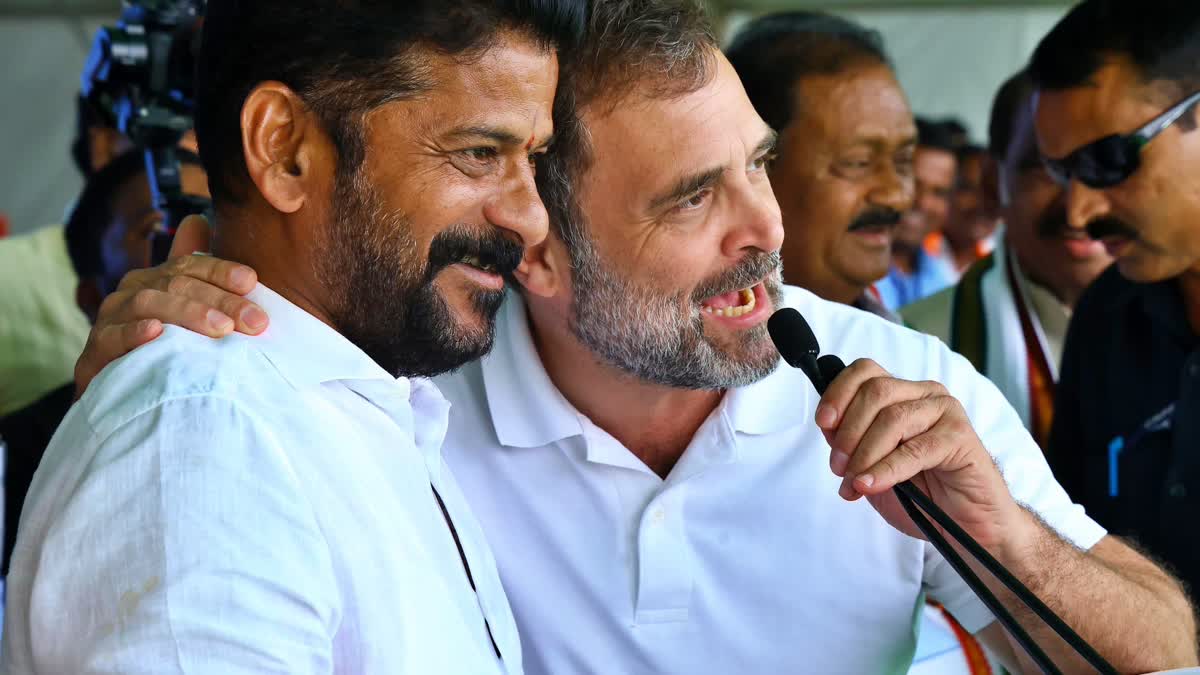
    The credit goes to Mr. Revanth Reddy, the Chief Minister of Telangana, who has been able to stop the juggernaut of the BJP in the state, despite the Prime Minister himself showing keen interest in Telangana. Under his leadership, the Congress party has demonstrated its strength convincingly. These elections were held at a time when there was widespread speculation in political circles that public dissatisfaction with the Revanth Reddy government was growing. The principal opposition, BRS, had been strongly criticizing the government and claiming that its end was near. Given that the government had completed two years, interest in the municipal results was high, and doubts were raised about Congress’ prospects.

    However, contrary to predictions, Congress performed well. Though leaders like KTR may not acknowledge the importance of the results, it is significant for a party like Congress, which is often known for internal dissent, to achieve this level of success. Revanth Reddy’s strategy ensured favorable outcomes across both North and South Telangana. Districts like Nizamabad, Adilabad, and Karimnagar, previously considered strongholds of BJP and BRS, saw gains for Congress. Even in his home district of Mahabubnagar, where BRS appeared strong, Congress made inroads.

    The Congress party attributes its success to development and welfare initiatives under Chief Minister Revanth Reddy, such as ₹17,000 crore spent on urban development, 200 units of free electricity for poor families, free RTC bus travel for women, issuance of 30 lakh ration cards, expansion of Rajiv Aarogyasri coverage from ₹5 lakh to ₹10 lakh, construction of 3,500 houses per constituency, and the Young India Integrated Schools initiative.

    Apart from its socio-economic agenda, it seems that Revanth Reddy adopted a clever strategy of not completely annihilating the BRS. He understands that if the BRS is finished, it would create space for the BJP to rise. He instead put the BRS on the defensive by exposing alleged corrupt practices such as the Kaleswaram project and the telephone tapping controversy. It is a strategy similar to the one adopted by KCR a few years ago, when he allowed the BJP to rise after sensing that Revanth Reddy was gaining momentum in the state as a Congress leader.

    The Telangana setback for the BJP has come at a time when the party is facing pressure from opposition parties at the national level over issues such as General Naravane’s book, Indo-US trade matters, and elections in five states. The political graph of Narendra Modi appears to be facing challenging weather, and the Modi-Shah duo are trying their best to prevent it from declining.

    Revanth Reddy has shown the Congress party a path forward. The Congress should not confine itself to parliamentary tactics alone; it must reach out to the people on issues such as farmers’ concerns, price rise, and unemployment, and strengthen the party at the grassroots level.

  • Freebies or Bribery? India’s Welfare State on Constitutional Trial

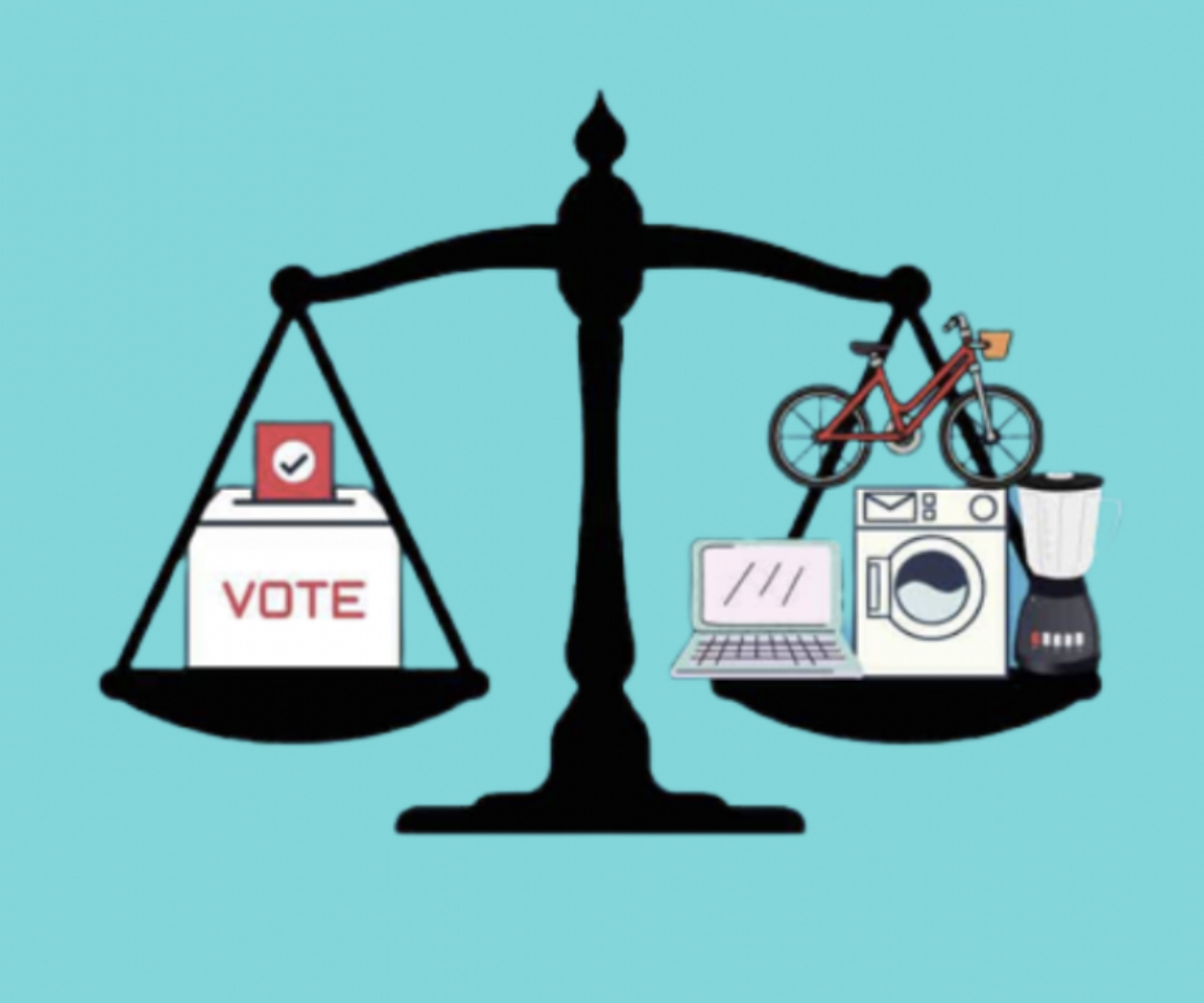
    The debate over “freebies” in Indian politics has now entered the constitutional arena, with the Supreme Court of India agreeing to examine whether pre-election promises of cash transfers funded from the public exchequer amount to a “corrupt practice” under the Representation of the People Act, 1951. The Supreme Court said the petition will be heard in March. What began as a political accusation has evolved into a deeper inquiry into fiscal responsibility, democratic fairness, and the character of India’s welfare state. At stake is not merely the legality of campaign promises, but the broader balance between social justice and macroeconomic prudence in a competitive democracy.

    Tamil Nadu Chief Minister M.K. Stalin’s announcement on February 13, 2026, implementing a major bonanza for women in the poll-bound state of Tamil Nadu—crediting ₹5,000 each to the bank accounts of 1.31 crore women family heads who are beneficiaries under the scheme Kalaignar Magalir Urimai Thittam (KMUT)—has added further interest to the debate.

    The petition filed by BJP leader Ashwini Kumar Upadhyay raises foundational questions. Can electoral promises financed from public funds distort the level playing field? Where does legitimate welfare end and electoral inducement begin? And should courts regulate what is essentially a political and fiscal policy choice? The Representation of the People Act identifies certain forms of bribery and inducement as corrupt practices, yet it does not clearly define whether manifesto promises of welfare schemes fall within that ambit. This definitional ambiguity has allowed successive governments across party lines to expand direct benefit transfers without clear judicial boundaries.

    The controversy gains urgency when viewed through the prism of fiscal sustainability. In Maharashtra, the Ladki Bahin Yojana reportedly costs approximately ₹46,000 crore annually—nearly 8 percent of the state’s total budget—at a time when the fiscal deficit exceeds ₹66,000 crore. Such recurring commitments constrain fiscal space for capital expenditure on infrastructure, education, and healthcare. The 2019 farm loan waiver of roughly ₹25,000 crore provided immediate relief but was widely criticized for restricting long-term investment capacity. Economists warn that debt-financed consumption spending can crowd out growth-oriented expenditure, raise debt-to-GSDP ratios, and increase interest burdens that future taxpayers must bear. The Reserve Bank of India has cautioned that excessive non-merit subsidies may affect macroeconomic stability, underscoring the long-term risks of fiscally expansive populism.

    Yet the debate is complicated by the absence of a universally accepted definition of a “freebie.” Economist C. Rangarajan has suggested distinguishing between subsidies on merit goods such as education and health and non-merit transfers that lack productivity linkages. But even this distinction is not always clear. Is free electricity for farmers a distortionary subsidy or a growth investment? Is free education merely welfare, or a constitutional obligation under the right to education framework? Is unconditional income support empowerment for vulnerable households, or an electoral inducement timed for political gain? The boundary between welfare and populism is not merely economic; it is normative and political.

    International comparisons add nuance but not easy solutions. Countries such as Germany and South Korea operate structured welfare systems in which benefits are often linked to employment search requirements, skill development, or contributory social insurance. These systems are embedded within stable fiscal architectures and high levels of formal employment. India, by contrast, confronts a large informal sector, weak employment absorption, and rising aspirations among its population. In such a setting, unconditional cash transfers are administratively simpler and politically more attractive than complex structural reforms.

    Electoral timing further complicates perceptions of legitimacy. In several states, welfare schemes have been expanded, advanced, or newly announced shortly before elections. Even when legally permissible, such timing creates the impression that public finances are being leveraged for electoral advantage. The criticism is not confined to one political formation. Prime Minister Narendra Modi has warned against what he termed “revdi culture,” arguing that fiscally irresponsible promises burden future generations. Yet critics note that the Modi government is providing free food grains to over 81 crore beneficiaries under the Pradhan Mantri Garib Kalyan Anna Yojana (PMGKAY) to ensure food security and reduce financial burdens. This initiative covers Antyodaya Anna Yojana (AAY) and Priority Households (PHH) under the National Food Security Act, with a five-year budget of ₹11.80 lakh crore. Moreover, BJP-led governments in states such as Assam, Delhi, Maharashtra, and Madhya Pradesh operate substantial direct transfer schemes of their own. What emerges is less an ideological contradiction than a structural incentive within a competitive democracy.

    Direct transfers produce immediate and visible benefits to identifiable voters. Infrastructure projects, by contrast, yield slower and more diffuse gains that are harder to attribute to a particular government. In an electoral environment where tangible short-term relief can decisively influence outcomes, parties across the spectrum may feel compelled to adopt similar strategies. The result is a normalization of competitive cash-transfer politics, where the debate shifts from whether to provide transfers to how large and how frequent they should be.

    As the Supreme Court considers the legal framework, it faces a delicate institutional balance. An aggressive intervention could risk judicial overreach into policymaking and blur the separation of powers. A restrained approach, however, may leave fiscal populism unchecked in shaping electoral competition. The solution may not lie in absolute prohibition or blanket endorsement, but in greater transparency and accountability. Mechanisms such as mandatory fiscal impact disclosures in manifestos, adherence to medium-term fiscal responsibility frameworks, or the establishment of independent fiscal councils could introduce discipline without undermining democratic choice.

    Ultimately, the freebies debate reflects a deeper tension within India’s development trajectory—between redistribution and growth, between immediate relief and long-term investment, and between electoral competition and fiscal prudence. In a democracy committed to both social justice and economic stability, the challenge is not to eliminate welfare but to design it responsibly. Whether cash transfers represent empowerment or populism depends on their timing, targeting, sustainability, and measurable outcomes. The Court may clarify legal boundaries, but the enduring balance between welfare and responsibility will remain a political question, to be negotiated through informed public debate and accountable governance.

  • Beyond Slogans: The Structural Gaps Threatening India’s 2047 Aspiration

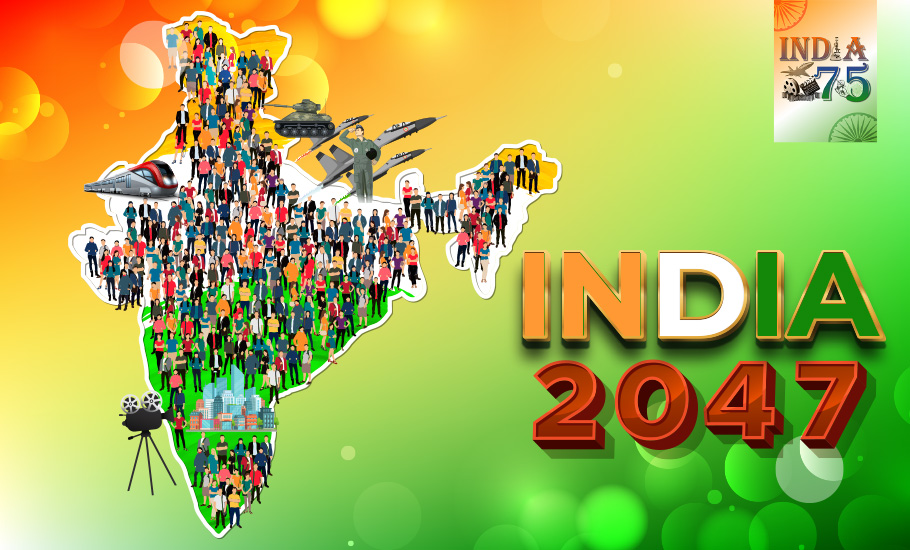
    As Parliament remains caught in political confrontation over issues ranging from the Indo-US trade deal to federal fiscal transfers, the Standing Committee on Finance has quietly presented a detailed roadmap for achieving the ambitious goal of Viksit Bharat 2047. In its Twenty-Ninth Report (2025–26), the Committee delivers a sobering assessment: India’s reform story is no longer constrained by policy imagination but by the depth and quality of implementation. The timing of this intervention is significant. With state elections scheduled in 2027 and general elections in 2029, the current budget cycle may represent a narrowing window for politically difficult structural decisions before electoral considerations begin to shape fiscal policy more decisively.

    The Committee identifies three interlinked structural risks that could undermine India’s long-term growth trajectory. First is the persistent implementation lag—administrative capacity at various levels of government continues to trail policy ambition. Reforms are announced with clarity, yet execution remains uneven across states and sectors. Second, India’s growth model remains heavily credit-driven. While lending has expanded, equity capital, technological upgrading, and productivity-enhancing reforms have not kept pace. Third, federal capacity gaps threaten to dilute national reform gains, as state-level disparities in regulatory quality and institutional strength create uneven investment climates.

    To achieve high-income status by 2047, India would need to sustain annual growth of around 8 percent for at least a decade. That objective requires raising the investment rate from roughly 31 percent to nearly 35 percent of GDP. Yet private capital formation has slowed considerably, with its share in total fixed investment declining from over 40 percent in 2015–16 to about 33 percent in 2023–24. Government infrastructure spending has remained robust, but manufacturing capital expenditure continues to lag. The Committee’s message is clear: fiscal stability is not the principal constraint; the revival of private investment is. That revival depends on deeper financial sector reforms, faster judicial enforcement, regulatory harmonization across states, and a more predictable business environment.

    Food inflation volatility poses another macroeconomic risk. The Committee stresses that stabilizing prices requires stronger agricultural supply chains, expanded cold storage networks, and deeper digital market linkages for farmers. Without supply-side strengthening, inflation shocks could erode real incomes and dampen domestic demand. At the same time, accelerating investment could widen the current account deficit, underscoring the need for domestic demand-led growth and deregulation that enhances export competitiveness without compromising macroeconomic stability.

    Progress on disinvestment has also been slower than anticipated. The Committee calls for concrete timelines and incentive-based frameworks to encourage reform of state-level public sector undertakings. Credibility in execution, rather than repeated announcements, will shape investor confidence. Similarly, in the MSME sector, inadequate risk capital remains a structural constraint. The Self-Reliant India (SRI) Fund has attempted to provide equity-like financing, but uptake has been limited by legal structures, small ticket sizes, and information asymmetries. Expanding credit alone, the Committee warns, will not yield productivity gains unless firms adopt technology upgrades and integrate into larger supply chains.

    Labour market reforms occupy a central place in the roadmap. The Committee advocates establishing a centralized Labour Market Information System to bridge mismatches between job supply and demand. It recommends benchmarking India’s labour force participation rate against advanced economies and upgrading Industrial Training Institutes in Tier 2 and Tier 3 cities. With artificial intelligence reshaping global employment patterns, curricula must become modular, industry-co-designed, and multilingual to address widening digital divides. The emphasis is on agility and employability rather than scale alone.

    Innovation remains another area of concern. India’s R&D expenditure, at just 0.65 percent of GDP, is far below the global average of 2.7 percent. The Committee cautions that increased funding by itself will not deliver results unless accompanied by stronger intellectual property enforcement, faster patent processing, dedicated commercial courts, and deeper industry–academia linkages. Translating research into commercially viable innovation requires institutional reform as much as financial commitment.

    India’s digital public infrastructure has transformed governance delivery, yet the Committee notes that digitalization must move beyond registration metrics toward measurable income and productivity outcomes. The proposal for an indigenous government-owned AI server reflects concerns over data sovereignty and strategic autonomy, but its true test will lie in whether it enhances productivity across sectors rather than remaining a symbolic asset.

    In an era marked by global fragmentation and shifting supply chains, India’s growth advantage rests on macroeconomic stability and the strength of its domestic demand base. However, the Committee’s overarching message is that the next phase of economic transformation will depend less on new policy articulation and more on execution discipline, institutional strengthening, and sustained private-sector dynamism. As political debates continue to dominate the parliamentary landscape, the roadmap offers a quieter but enduring reminder: achieving Viksit Bharat 2047 will hinge not on reform announcements, but on reform credibility and productivity-led growth.

  • Privilege, Politics and Policy: The Debate After Rahul Gandhi’s Speech

    The political storm following Leader of the Opposition Rahul Gandhi’s speech in the Lok Sabha has shifted from economic policy to parliamentary privilege. The Bharatiya Janata Party is reportedly considering a privilege motion against him over remarks linking senior leaders to the so-called “Epstein Files.” Union Minister Hardeep Singh Puri has firmly rejected the allegations as “baseless,” clarifying that his limited interactions with Jeffrey Epstein were in the context of an International Peace Institute delegation and unrelated to any criminal matters.

    Whether Gandhi’s remarks constitute a breach of parliamentary privilege is ultimately a matter for the Speaker of the Lok Sabha, who must interpret them within established rules and precedents. Parliament provides wide latitude for political speech, but it also imposes responsibility. That determination should be made institutionally and without partisan escalation.

    Yet focusing exclusively on the privilege question risks overlooking the larger policy issues raised in the speech — issues that warrant substantive engagement rather than procedural confrontation.

    The Strategic Context

    In his address, Rahul Gandhi framed the Union Budget and the India–U.S. trade understanding within a broader geopolitical narrative. He argued that the global order is entering a phase of instability marked by conflict, technological rivalry, and the weaponisation of energy and finance. In such an environment, he contended, India must negotiate from a position of strength.

    At the core of his argument was the assertion that India possesses three strategic assets: its population and digital data, its agricultural base, and its energy sovereignty. According to him, recent trade negotiations risk diluting these strengths.

    These are consequential claims. They deserve careful examination.

    One area of concern raised relates to digital trade rules. Has India altered its position on data localisation? Are cross-border data flows being liberalised in ways that constrain regulatory autonomy? Do trade commitments affect India’s ability to impose digital taxes or regulate major technology firms?

    Given the centrality of data to artificial intelligence and digital sovereignty, clarity on these points is essential. Trade agreements in the digital domain often contain complex provisions that are not easily understood without detailed disclosure.

    A transparent explanation of the Government’s commitments would help dispel uncertainty.

    Agriculture and Market Access

    Gandhi also warned that the trade framework could expose Indian farmers to competition from highly mechanised American agriculture. India’s agricultural economy is dominated by small and marginal farmers whose cost structures differ significantly from those of large-scale U.S. farms.

    The key question is whether tariff reductions or market access commitments contain adequate safeguards. If protections remain intact, the Government should clearly articulate them. If phased adjustments are planned, their timeline and compensatory measures should be made public.

    Food security is not merely an economic issue; it is a matter of national resilience.

    Energy Sovereignty

    Energy security formed the third pillar of Gandhi’s critique. In an era when sanctions, supply disruptions and geopolitical tensions influence energy markets, any perception that India’s sourcing flexibility is constrained can generate concern.

    Here again, clarity matters. If India retains full sovereign discretion over its energy imports, an unequivocal statement to that effect would strengthen confidence.

    Trade Balance and Industrial Impact

    Concerns were also expressed about tariff asymmetry and potential sectoral impacts, particularly in textiles. Trade agreements often produce winners and losers across industries. The role of government is to ensure that transitions are managed, vulnerabilities are addressed, and competitiveness is strengthened.

    A detailed presentation of expected gains and sector-specific protections would elevate the discussion beyond rhetoric.

    Democratic Accountability Over Escalation

    The controversy over alleged personal references and the potential privilege motion should not overshadow the importance of answering substantive policy questions. Democratic accountability requires both responsible speech from the Opposition and transparent explanation from the Government.

    Prime Minister Narendra Modi enjoys a strong domestic mandate and significant international stature. Supporters argue that his government would not compromise India’s interests in any negotiation. That confidence can only be reinforced through openness.

    Parliamentary debate is not an act of defamation; it is a mechanism of scrutiny. Equally, allegations must be supported by evidence. The health of democratic institutions depends on maintaining this balance.

    If a privilege motion is moved, it should proceed strictly within parliamentary rules. But beyond procedural action, what the moment calls for is clarity — on the nature of India’s trade commitments, on safeguards for farmers and industry, and on the preservation of data and energy sovereignty.

    In times of global uncertainty, trust in national leadership is strengthened not by silencing dissent, but by addressing it transparently.

    The Government has an opportunity to do precisely that.

  • In Search of Lost Standards

    “Lok Sabha’s first Speaker G.V. Mavalankar, the second Speaker Ananthasayanam Ayyangar, and the first Chairman of the Rajya Sabha and Vice President Dr. Sarvepalli Radhakrishnan had a profound influence on the functioning of parliamentary institutions. They conducted themselves with dignity and impartiality while framing rules, procedures, conventions, and practices. Even though the Jana Sangh had no representation in the Rajya Sabha, I used to watch the proceedings from the visitors’ gallery. It was because of them that I had the opportunity to learn about Question Hour, adjournment motions, bills and resolutions, standing committees, calling attention notices, members’ privileges, and many other aspects. Eminent leaders sitting on the opposition benches spoke with as much eloquence as those on the treasury benches. The Speaker acted as an honest guardian of the rights of the opposition. It was because of these noble traditions that Indian democracy withstood many tests and maintained its international reputation.”

    These words were written by none other than Lal Krishna Advani, one of the founders of the Bharatiya Janata Party, in his autobiography My Country–My Life, describing the parliamentary standards of earlier times.

    Standards endure only when individuals uphold them. If individuals sacrifice standards for personal interests, no standards remain worth citing as examples. If declining social standards enter Parliament, the current functioning of legislatures is proof of what happens. “Guide us. If we go astray, correct us if necessary. Advise us. Scrutinize our conduct,” India’s first Prime Minister Jawaharlal Nehru requested the first Lok Sabha Speaker G.V. Mavalankar. Mavalankar acted accordingly. Whenever serious differences arose, the Prime Minister and the Speaker would consult and resolve them. On one occasion, there was an argument between Nehru and Mavalankar in the House. Nehru wanted to make a second statement the same day, but Mavalankar clarified that it was against the rules. Nehru accepted and withdrew.

    Mavalankar strongly opposed the frequent promulgation of ordinances. He insisted they should be issued only in rare emergencies and that laws must be made in Parliament. He even wrote to the Prime Minister on this matter. If any legal doubt arose, he personally consulted the Attorney General, asserting that the Speaker must function like a judge. Nehru accorded him equal respect. When officials complained to Nehru that parliamentary committees were subjecting their decisions to excessive scrutiny, Nehru replied that it was not within his domain and advised them to approach the Speaker. Many rules framed by Mavalankar remain in force even today. The first Lok Sabha Secretary-General Shakdher described him as a Speaker who maintained balance between the ruling and opposition parties, conducted the House efficiently, and safeguarded public interest. It is noteworthy that Mavalankar, who insisted that Parliament must remain independent of government control, was elected from Gujarat.

    After Mavalankar’s death, Ananthasayanam Ayyangar followed the same path. Born into a Vaishnava Brahmin family in Tiruchanur near Tirupati, he conducted the Lok Sabha impartially. He once stated: “Under a dictatorship or absolute monarchy, citizens’ lives and freedoms have no protection. If the dictator is benevolent, people may live well. But even in a democracy, there is a danger that dominant groups may behave dictatorially and suppress those in smaller numbers. The only person who can firmly control such tendencies and protect minority interests in the House is the Speaker.” He remarked that there were no greater orators than Hiren Mukherjee (CPI) in English and Atal Bihari Vajpayee (Jana Sangh) in Hindi. Even without formal recognition of an Opposition Leader due to inadequate numbers, Ayyangar gave full respect and opportunity to opposition members. In the second Lok Sabha, both ruling and opposition members unanimously proposed his re-election as Speaker — a testimony to the standards he upheld. In 1972, when a Dalit Christian candidate contested from Tirupati, Ayyangar campaigned to support him at Congress’s request, responding to critics by saying, “Secularism is embedded within Vishishtadvaita.” This was later revealed by former Prime Minister P.V. Narasimha Rao.

    After Mavalankar, Speaker Sardar Hukam Singh admitted no-confidence motions against Nehru’s government, declaring that Parliament held supremacy over the government. His successor Neelam Sanjiva Reddy allowed a discussion on a no-confidence motion on the very day the President addressed both Houses. During his tenure, the first parliamentary committee on the welfare of Scheduled Castes and Scheduled Tribes was formed.

    Gradually, parliamentary standards began to decline from 4th Lok Sabha. During the Emergency, parliamentary proceedings were censored in unprecedented ways, yet the presiding officers remained silent. Indira Gandhi forced G.S. Dhillon to resign as Speaker and appointed him Shipping Minister the same day. After the Emergency, Speakers such as K.S. Hegde, Balram Jakhar, Rabi Ray, Shivraj Patil, P.A. Sangma, Balayogi, Manohar Joshi, and Somnath Chatterjee each tried in their own way to uphold the dignity of the office. Balayogi, the first Dalit and first Speaker from a regional party, maintained such neutrality that during his tenure the Vajpayee government fell by just one vote. Later, during the tenures of women Speakers Meira Kumar and Sumitra Mahajan, frequent disruptions occurred. The Telangana movement made Meira Kumar’s tenure extremely difficult, while increasing confrontation between ruling and opposition parties during Narendra Modi’s premiership placed Sumitra Mahajan in a challenging position. Since then, tensions have intensified, and Speaker Om Birla too has found himself in a helpless situation over the past six years, with parliamentary standards steadily declining.

    Recently, opposition parties moved a no-confidence motion against Om Birla for not allowing Congress leader Rahul Gandhi to speak — a sign of the deteriorating condition of Indian democracy. If a discussion had been allowed on former Army General Naravane’s book on the India–China conflict, and if the government had responded, people would have had the opportunity to assess the facts. Instead, opposition parties stalled Parliament. Sessions ended without full discussions on the President’s Address or the Budget, and without the Prime Minister speaking in the Lok Sabha. Furthermore, the Speaker himself claimed he had information that women MPs were planning to attack Modi — an unusual development. In reality, both government and opposition are responsible for failing to show flexibility and for using Parliament as a political arena. In an atmosphere where mutual respect is absent, no one expects the Speaker to remain impartial. As a result, the office of the Speaker too appears to be losing its dignity.

    “The Speaker represents the entire House. He reflects its dignity and freedom. Since the House represents the nation, the Speaker becomes a symbol of freedom in the country. It is therefore a position of great honor. Only individuals of the highest competence and impartiality should occupy it,” said Nehru. But it is impossible to compare those days with the present. Those in power then sought to set standards themselves and serve as role models for future generations. At a time when the country aspires toward a ‘Viksit Bharat’ (Developed India), leaders must internally deliberate on preserving parliamentary democratic standards within a defined timeframe.