Tag: india

  • The Great Women’s Reservation Show: Reform or Electoral Strategy?

    Illustration of a woman ascending steps labeled Reservation, Quota, and Reservation in a legislative chamber with supporters holding signs for empowerment and equality and opponents debating.
    “Will this bill pass? My boss is asking me again and again,” a friendly-party MP asked Parliamentary Affairs Minister Kiren Rijiju last week. “Why do you have that doubt? As long as Narendra Modi is Prime Minister, whatever he decides will be achieved under any circumstances. A lot of efforts are happening behind the scenes. Many people will lean towards us. Just wait and watch,” he told that leader. “Not only that, I myself will speak to your boss,” he said, personally calling him and assuring, “There are no obstacles for the bill to pass.” Following this, arrangements were made in that state to gather large numbers of women and celebrate.

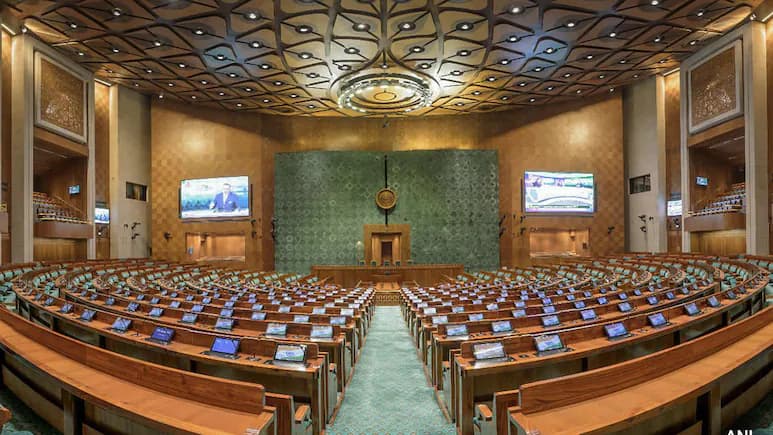
    In fact, it did not appear that even the Prime Minister had any apprehension that the bill might not be approved. From the second week of April, women from across the country were being brought to Delhi. BJP national president Nitin Nabin called state presidents and key leaders and instructed them to organize women’s conferences in the states and hold press meets on women’s reservation. A large conference with women was held at Vigyan Bhavan, where Prime Minister Narendra Modi spoke. Key women leaders from the party were brought to the central office and trained to go among the public and speak to the media. Documents were prepared and distributed showing how many seats would increase in which states. Eventually, the Lok Sabha galleries were filled with women representatives. The national capital and Parliament premises were vibrant with women. Many women dreamed that they too would soon enter the House; some even identified their prospective seats.
    However, on the very first day of the Parliament session on April 16, it became clear that the opposition was united. Behind-the-scenes efforts intensified to win over or ensure the absence of opposition members. Modi even had to warn, “If this bill fails, women will not forgive the opposition.” Doubts were raised about whether opposition MPs from states going through elections would attend the session. In West Bengal, Trinamool Congress chief Mamata Banerjee is facing unusually tough competition this time, and her party MPs were deeply engaged in campaigning. Despite efforts to stay united, seven Trinamool MPs had to be absent during voting. Even so, since there was a significant gap between the two-thirds majority required in the Lok Sabha and the NDA’s strength, the constitutional amendment inevitably failed.

    Just as there are many reasons behind Karna’s death, there are many reasons behind the failure of this bill. Why did what was considered a historic moment ultimately turn into a farce? When all parties unanimously approved the constitutional amendment bill for women’s reservation in 2023, why was it opposed now? Why was there a need to modify that bill? If it had to be changed, why were efforts not made to build consensus on it as well? If women’s reservation is to be implemented in 2029, there is still three years’ time—then why extend budget sessions and hold special sessions during ongoing assembly elections? In the Bengal elections, which Modi has taken very prestigiously, was the women’s reservation issue used as a move to attract women voters? If so, why link reservation with an increase in seats through a constitutional amendment? Since an increase in seats would also benefit the Samajwadi Party in Uttar Pradesh, was this strategy aimed at drawing that party closer? Did the government not anticipate that basing delimitation on population, the absence of a proposal for a 50% seat increase, and rising concerns about North–South disparities would lead to suspicion? Even though Home Minister Amit Shah said at the last minute that the bill would be modified, the opposition did not agree—this shows the deep mistrust between the ruling party and the opposition. It also did not appear that the government anticipated criticism that using the 2011 census as a basis would ignore OBCs.
    In our country, politics driven by short-term gains and excessive publicity sometimes pushes back even necessary decisions like women’s representation.

    The job of an MP or MLA is to enact new legislation. They have to perform legislative functions. An MP may represent a single Lok Sabha constituency, but when they sit in the Lok Sabha, they are responsible for the 1.4 billion people of the country. They are part of the law-making process. The laws made by their votes apply to every citizen of the country. They determine each citizen’s fate. The Constitution provides for the executive to handle citizens’ daily needs. The executive is responsible for implementing laws made by the legislature. If Parliament or the Legislative Assemblies make good laws and the executive implements them effectively, citizens’ problems will be resolved.

    Therefore, there is a need to work on improving the quality of laws made in Parliament and the state legislatures. There is a need to work on improving the quality of debate and discussion in Parliament or the Legislative Assemblies. Then, arrangements must be made for better implementation of those laws. Increasing the number of MPs or MLAs will not change anything.

    If there is a water, electricity, or sewage problem in an MP’s constituency, the local administration must resolve it. If there is a law and order problem, the police will address it, not the MP. Therefore, it is essential that the number of police stations be increased in proportion to the population growth, the number of police personnel be increased and they be better trained, and the number of civil service staff and officers be increased so that citizens’ problems can be resolved.

    As the population grows, the number of schools and teachers should be increased. As the population grows, the number of hospitals and doctors should be increased. As the population grows, civic amenities should be developed. As the population grows, infrastructure should be developed. While this is not to say that work is not being done in this direction, it is not being done in proportion to the population growth. No one can deny the fact that the quality of civil services is continuously deteriorating.

    Therefore, the entire delimitation debate is a ‘misplaced priority’. It could also be called ‘barking on the wrong tree’. It will not bring any qualitative change to the country’s current legislative or executive system. On the contrary, it will deepen the division between North and South India.
    If, as Modi hopes, women in large numbers shift toward the BJP in the Bengal elections, the party is bound to achieve a major victory. This time, 200,000 more women voters have been added in Bengal. Out of 67.5 million voters, 34.4 million are women. Moreover, in the last elections, more women than men voted—88% of women cast their vote. Not only in Bengal but across the country, women’s voting percentages are rising faster than men’s. In many states, schemes targeting women have benefited ruling parties in elections. Therefore, there is little doubt that Modi used women’s reservation as a strategic move to attract women voters away from Mamata Banerjee. In fact, compared to all parties, Mamata Banerjee has provided greater representation to women—about 33% in her party. Of 29 Trinamool MPs, 11 are women; 20% of her cabinet are women. This time, the party has given tickets to 52 women, more than any other party. Welfare schemes like Kanyashree and Lakshmi Bhandar have also gained popularity. So whether the BJP can attract women voters through the reservation bill remains debatable—but if the BJP wins, it will have the opportunity to claim that women made the difference.
    More than women, the BJP has focused this time on Hindu-majority seats. In West Bengal’s 294 seats, only 234 have less than 40% Muslim population. The BJP had won 77 of these seats in the last election. Before 1977, Muslims supported Congress; until 2006, the Left; and since then, the Trinamool Congress. They have been a key factor in Mamata’s success.

    The BJP, which had virtually no presence in West Bengal until 2014, secured 17% votes in the 2014 Lok Sabha elections and increased it to 40% in 2019. This percentage hasn’t changed much in the last seven years. The gap between Trinamool and BJP is about five percent. To bridge this, consolidation of Hindu votes is necessary—and within that, Hindu women’s votes are crucial.
    Ultimately, increasing the number of MPs and MLAs may create more political positions and even increase women’s representation numerically, but without deeper institutional reforms, it is unlikely to bring meaningful change on the ground.
     
  • From Masterstroke to Misfire: The Amendment That Backfired

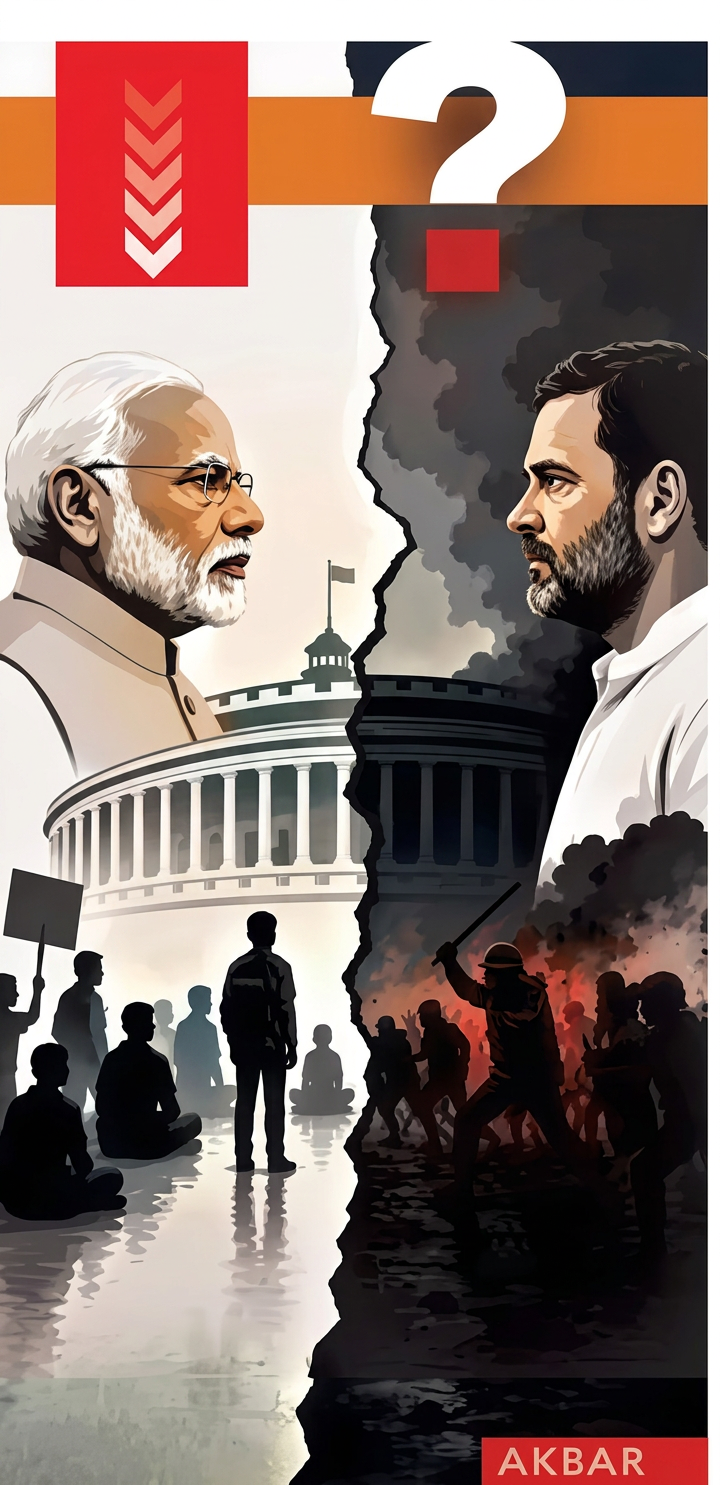
    The failure of the Constitution (131st Amendment) Bill, 2026 marks a significant political and constitutional moment. It demonstrates that even a strong executive cannot always secure its will, and that institutional checks within India’s parliamentary system remain robust. For Prime Minister Narendra Modi, whose style of governance has often been described as decisive and minimally consultative, this episode represents a rare but important setback.

    The Bill, widely expected to pass, fell short of the required two-thirds majority. While 298 members voted in favour and 230 against, it did not meet the threshold of 352 votes out of the 528 members present and voting. In response, the government chose to shelve not only the amendment but also the Delimitation Bill and the Union Territories Laws (Amendment) Bill, arguing that these measures were interconnected. Notably, this is the first time in over a decade in power that such a major legislative initiative has been blocked.

    The Opposition’s coordinated resistance played a crucial role. What initially appeared to be a foregone conclusion turned into a rare moment of unity among diverse political parties. Critics argue that the government’s approach itself contributed to this consolidation, as a top-down style of decision-making left little room for dialogue or consensus-building.

    Rahul Gandhi sharpened the political attack by likening the Prime Minister to a “magician” who had been “caught,” suggesting that the push to expand the Lok Sabha was driven by political calculations rather than genuine reform. According to the Opposition, the proposal sought to reshape India’s electoral map while simultaneously projecting a pro-women image through the reservation component.

    This episode raises a broader question: can strong, centralized leadership consistently deliver effective governance? While such leadership can accelerate decision-making, it may also limit consultation and erode consensus. The perception of “bulldozing” policies—whether accurate or not—can undermine democratic legitimacy. At the same time, it is important to recognize that this pattern is not unique to the current government. Indian political history offers several examples of unilateral decision-making, from the Emergency under Indira Gandhi to the Shah Bano legislation under Rajiv Gandhi.

    The proposal to introduce 33% reservation for women in legislatures is, in itself, a landmark reform. It addresses a long-standing structural imbalance in political representation and has the potential to significantly enhance women’s participation in governance. However, the timing and method of its introduction have raised legitimate concerns. Convening a special session of Parliament during ongoing assembly elections, rather than building broader consensus, invited suspicion about political motives.

    From an electoral perspective, the move is understandable. Women voters now constitute a decisive segment of the electorate, often turning out in greater numbers than men. Welfare policies targeting women have already proven electorally effective across several states. Expanding political representation could further consolidate this support. Even opposition resistance could be framed politically to mobilize women voters in favour of the ruling party.

    Yet, the linkage of women’s reservation with delimitation proved to be the most contentious aspect. Home Minister Amit Shah attempted to reassure critics by offering verbal guarantees that southern states would not lose proportional representation in an expanded Lok Sabha. He even proposed a temporary pause to revise the Bill. However, the Opposition rejected these assurances, pointing out that such safeguards were absent from the Bill’s text.

    As drafted, the proposal relied on the 2011 Census for delimitation, which would likely reduce the representation of states with lower population growth—particularly in southern and northeastern India—while increasing the share of the Hindi heartland. This raised serious concerns about federal balance and fairness.

    The urgency with which the government pursued the amendment further fueled criticism. With the 2026–27 Census still underway, many questioned the need to rush such a significant constitutional change. Linking a broadly supported reform like women’s reservation with a highly divisive issue like delimitation was seen by critics as a strategic miscalculation.

    The Opposition’s unified stance, particularly within the INDIA bloc, proved decisive. Parties such as the Congress, Trinamool Congress, DMK, and the Left coordinated effectively, setting aside differences. In contrast, regional parties like the TDP and AIADMK faced criticism for supporting the Bill based on assurances rather than textual guarantees, despite potential implications for their states.

    The defeat of the Bill has been framed by the Opposition as a victory for constitutional principles. Rahul Gandhi described it as a rejection of an “attack on the Constitution,” while Priyanka Gandhi Vadra emphasized the importance of separating women’s reservation from delimitation. These reactions highlight the broader political narrative that has emerged from the episode.

    Procedurally, the outcome underscores the strength of constitutional safeguards. Amendments of this nature require not only a majority of the total membership but also a two-thirds majority of members present and voting, along with ratification by at least half of the state legislatures in certain cases. These high thresholds are designed to ensure that major structural changes are enacted only with broad consensus—and in this instance, that safeguard functioned as intended.

    Looking ahead, the proposal to expand the Lok Sabha remains contentious. Critics argue that such a move, especially if based on outdated Census data, risks deepening regional imbalances and straining the federal structure. While women’s reservation enjoys wide support, delimitation is likely to remain a politically sensitive and divisive issue.

    Ultimately, the episode highlights a fundamental principle of democracy: process matters as much as outcome. Even well-intentioned reforms can lose legitimacy if they are perceived as unilateral or politically driven. The challenge for any government lies not only in pursuing reform but in building the consensus necessary to sustain it.

  • India at a Turning Point: The Decline of Naxalism and the Road Ahead

    A discussion is scheduled to be held in Parliament on March 30 regarding the measures being taken by the government to eradicate Maoist extremism. In this context, the reported imminent surrender of top Maoist leader Muppala Lakshmana Rao (Ganapathi) is being viewed as a potentially decisive moment. Union Home Minister Amit Shah has reiterated the government’s commitment to eliminate Maoist extremism by March 31, 2026. Recent developments—including the killing of several senior leaders in 2025 and the surrender of nearly 4,000 cadres—indicate that sustained security operations and policy measures have significantly weakened the movement. If Ganapathi surrenders, it would represent not only a strategic setback but also a major symbolic blow to the Naxalite movement.

    The Naxalite movement traces its origins to the 1967 uprising in Naxalbari, where peasants revolted against feudal landlords. Inspired by Maoist ideology, leaders such as Charu Majumdar and Kanu Sanyal mobilized marginalized communities around demands for land redistribution and social justice. Over time, the movement spread across states like Chhattisgarh, Jharkhand, Odisha, and Telangana, forming what came to be known as the “Red Corridor.” The formation of the Communist Party of India (Maoist) in 2004 sought to consolidate the insurgency, though internal divisions had already begun to weaken its cohesion.

    Over the decades, the movement fragmented due to ideological differences, leadership rivalries, and disagreements over strategy. Some factions advocated immediate armed revolution, while others emphasized mass-based political mobilization. Disputes over tactics—including the targeting of civilians—further eroded unity. Even after consolidation attempts, splinter groups continued to emerge, weakening the movement’s overall strength and coordination.

    This fragmentation was accompanied by a steady erosion of public support. While the movement initially drew legitimacy from its opposition to exploitation and inequality, its increasing reliance on violence, extortion, and coercive control alienated the very communities it claimed to represent. As a result, public perception has shifted significantly: encounter deaths of Maoist leaders no longer evoke widespread sympathy, and in many areas, there is growing acceptance—if not quiet support—for state action aimed at restoring stability and enabling development.

    Despite this decline, the persistence of the movement was rooted in structural issues such as land inequality, displacement of tribal populations, governance deficits, and lack of economic opportunities. These conditions enabled Maoists to sustain support in certain pockets and continue guerrilla operations for decades.

    The government’s response evolved significantly over time. Under P. Chidambaram, a coordinated national strategy was introduced that combined security operations with development initiatives. Measures such as synchronized inter-state operations, strengthening of central forces, expansion of intelligence networks, and programs like the Integrated Action Plan aimed to improve infrastructure and governance in affected regions.

    Building on this foundation, the government under Narendra Modi, with Amit Shah leading internal security efforts, has adopted a comprehensive, time-bound, and highly coordinated strategy to eliminate Naxalism. This approach has emphasized close cooperation with state governments, expansion of security infrastructure, improved connectivity, and the implementation of the SAMADHAN doctrine. The increasing use of advanced technologies—including surveillance drones, cyber intelligence, and systems influenced by international practices—has further constrained the operational space available to Maoist groups. In an era of digital monitoring, maintaining secrecy and sustaining long-term insurgency has become significantly more difficult.

    A clear indication of the movement’s internal crisis is the surrender of senior Maoist leader Mallojula Venugopal Rao, who described the CPI (Maoist) as a “failed experiment.” He acknowledged that the movement failed to adapt to changing conditions, underestimated the strength of the Indian state, and gradually lost its social base due to its own mistakes. His appeal to cadres to lay down arms reflects a broader shift within the movement itself.

    Another dimension shaping the trajectory of Naxalism has been its romanticisation by sections of intellectual and cultural circles. In its early decades, it was often portrayed as a heroic struggle against injustice. While such narratives drew attention to genuine social issues, they also created an idealized image of armed revolution that did not align with ground realities. This sometimes misled sections of youth, who were drawn by ideological appeal but later confronted the harsh realities of violence, isolation, and limited outcomes. Over time, the gap between romantic portrayals and lived experiences contributed to disillusionment.

    As the movement declines, previously inaccessible regions—particularly in mineral-rich states like Chhattisgarh, Jharkhand, and Odisha—are opening up for economic and industrial activity. Improved security conditions have reduced operational risks for businesses, enabling infrastructure projects and attracting investment in sectors such as mining, manufacturing, logistics, and telecommunications. This has the potential to generate employment, boost local economies, and integrate remote regions into the national development framework.

    However, this transition also brings important responsibilities. Sustainable progress will depend on ensuring that development does not replicate past patterns of displacement and exploitation. Fair compensation, environmental protection, and meaningful engagement with tribal communities are essential to maintaining long-term stability and preventing the re-emergence of unrest.

    In conclusion, the Naxalite movement has evolved from a peasant uprising in Naxalbari into a major insurgency and now into a weakened, fragmented, and increasingly isolated force. The combined impact of internal divisions, declining public support, sustained security operations, and technological advancements suggests that India may be approaching a decisive turning point. However, the lessons of the past remain crucial. The government must ensure that the conditions which once enabled exploitation and alienation do not re-emerge in new forms. Preventing exploitative practices, safeguarding the rights of vulnerable communities, and ensuring equitable and inclusive development are essential—not only to consolidate current gains but also to ensure that discontent does not give rise to similar movements in different forms in the future.

  • “Strategic Autonomy or Strategic Adjustment? India’s New Reality”

    Prime Minister Narendra Modi stated in both Houses of Parliament that, due to the war raging in West Asia, the country is facing a situation similar to the crisis that arose during the COVID period, and that everyone should be prepared to face it together. While saying that there is no shortage of gas and oil at present, it is noteworthy that he also described the situation as worrying. He declared that not just India but the entire world is facing an energy crisis. In reality, it is not unknown to him that people have already begun facing difficulties regarding cooking gas. With the sudden rise in demand for induction stoves in the country, their prices have also increased. Those who cannot afford these stoves have already begun either going hungry or depending on others. “You have CNG at home, right… I’ll make four rotis and go…” our domestic worker asked. The sale of gas cylinders in the black market is also taking place. Shops that used to fill gas into 5 kg cylinders have shut down. There are many instances of consumers quarrelling with dealers over cylinders due to them. Prices of tea and food items at roadside stalls have also increased. “No stock” boards are visible at many petrol pumps. People, believing rumors, are lining up at petrol pumps. Since it is unclear how this situation will be in the future, Prime Minister Narendra Modi came before the people. Recalling the experience of some selling oxygen in the black market during COVID, he warned that black marketing will not be tolerated. Modi is also aware that people will not ignore these issues during the Assembly elections in five states. India imports nearly 60 percent of its LPG. Of that, 90 percent must pass through the Strait of Hormuz. According to the latest reports, with great difficulty, we have managed to bring in four ships so far. Modi told Parliament that a large number of Indians have been safely brought back from the Gulf. The benefits that families here used to receive from the remittances sent by them have now stopped. “We know you will face problems at present. But this war is happening so that there will be no problems in the world in the long term,” Israel’s ambassador Reuven Azar said recently in Delhi. Who gave Israel, or its godfather America, the authority to wage war on behalf of all countries in the world?

    In fact, as soon as Parliament sessions began, the opposition strongly demanded that Prime Minister Narendra Modi make a statement on the West Asia situation. With insistence on a discussion in Parliament, the House was adjourned several times. Rahul Gandhi made serious allegations that Modi avoided discussion. Finally, Modi made a statement in Parliament explaining the situation, but a discussion on West Asia has still not been conducted. Modi said in his speech that he is speaking with Israel, America, and Iran, and has made it clear that the issue should be resolved diplomatically. However, even as he emphasized diplomacy, global developments indicate parallel backchannel efforts: the Donald Trump administration has reportedly offered a 15-point ceasefire plan to Iran, conveyed through intermediaries from Pakistan, which has also offered to host renewed negotiations between Washington and Tehran. Trump stated for a second consecutive day that the United States is in talks with Iran to end the war, while JD Vance may lead potential negotiations that could take place in Islamabad, with Pakistan acting as a mediator.

    Unlike in the past when Trump claimed he had stopped an India–Pakistan war, Modi is not in a position to make such a claim now. India has developed such close ties with America and Israel during Modi’s tenure that it is no longer in a position to criticize those two countries. This could turn into a double-edged sword. The fact that Modi did not criticize the stance of America and Israel at all in his lengthy speech in both Houses of Parliament is evidence of this. Even when an Iranian ship returning after participating in naval exercises conducted by India in the waters off Visakhapatnam was blown up by America in the Indian Ocean, India did not condemn it. At the same time, India is also in a position where it cannot sever its historical ties with Iran. Modi has already spoken twice with Iran’s President Masoud Pezeshkian and expressed sympathy over the attacks. He requested that there be no obstacles to energy supplies.

    In fact, when America attacked Iraq in 2003 on the pretext of chemical weapons, the government of Atal Bihari Vajpayee not only strongly condemned it but also introduced a resolution in Parliament. The ruling and opposition parties together unanimously passed that resolution condemning America’s stance. Speaker Manohar Joshi himself introduced the resolution, severely criticizing the attacks by American coalition forces on Iraq. Congress leader Jaipal Reddy described it as a very unusual resolution and explained how dangerously America was acting. He urged India to remain alert to the consequences of America’s toxic conspiracies. BJP leader Vijay Kumar Malhotra, Telugu Desam Parliamentary Party leader Yerran Naidu, Samajwadi Party leader Mulayam Singh Yadav, CPI(M) leader Somnath Chatterjee, along with leaders of all parties, condemned American aggression. Then External Affairs Minister Yashwant Sinha declared that no one could suppress the voice of India, the world’s largest democracy, and that the country was ready to face any challenge.

    What changes have occurred between the Vajpayee government and the Modi government? Why are the BJP and its allies now unable to comment clearly on developments in West Asia? Why have they ignored attacks on Venezuela and Iran?

    What is surprising is that Pakistan, which has been closer to America than India, is now playing a key role in trying to broker peace between Iran and America. Reports indicate that Pakistan’s Army Chief Field Marshal Munir spoke with US leadership, and Prime Minister Shehbaz Sharif also spoke with Iran’s President Masoud Pezeshkian. It is said that Pakistan, along with Turkey and Egypt, is making serious efforts to stop the war. In fact, Pakistan strongly condemned the joint attacks by America and Israel on the Islamic Republic of Iran in violation of international law. Instead of punishing such Pakistan, why is America allowing it to attempt mediation?

    Amid these developments, the Indian government on Wednesday convened an all-party meeting around 5 pm over the ongoing West Asia conflict that began after US–Israeli strikes on Iran on February 28. Defence Minister Rajnath Singh chaired the meeting, with External Affairs Minister S. Jaishankar and Petroleum Minister Hardeep Singh Puri in attendance. The meeting was held inside the Parliament building without the presence of Prime Minister Narendra Modi. Rajya Sabha’s Leader of the Opposition Mallikarjun Kharge objected to the format and demanded a full debate in the House instead of just a briefing. Lok Sabha Leader of Opposition Rahul Gandhi said he would be unable to attend due to a prior engagement in Kerala. This meeting followed Modi’s address in Parliament, where he urged citizens to be prepared for every challenge and warned that the effects of the war could last for a long time. He also stated that the government has constituted seven empowered groups to formulate strategies on fuel, supply chains, fertilizers, and other sectors to mitigate the impact of the Iran–Israel–US conflict.

    Prime Minister Modi has so far visited 68 countries. He has toured the United States, the United Arab Emirates, Japan, Russia, and many other countries multiple times. It cannot be said that this has not enhanced India’s reputation or brought economic benefits. Large-scale defense and industrial investments and technology transfers have increased. Modi has invited foreign direct investment from many countries, including China, and has entered into strategic agreements with several nations. Modi is the only Indian Prime Minister to have visited the United States nine times and Israel twice. Having recently completed 8,931 days in public office, Modi was praised unanimously by NDA leaders. Home Minister Amit Shah described him as a Prime Minister who upheld India’s self-respect on the global stage. Even so, it remains to be discussed whether India has lost its strategic autonomy under Modi, who has acted differently from the approaches followed during the tenures of Indira Gandhi, Vajpayee, and P.V. Narasimha Rao, or whether it is merely being forced to take a temporary step back.

    In any case, at this juncture, the Modi government suddenly bringing forward the women’s reservation bill and the delimitation of constituencies is another surprising development. As initially planned, the latest census should have been completed, the number of constituencies increased, and then women’s reservation implemented. But why was there a need to introduce delimitation and women’s reservation based on the 2011 census? If these bills are passed, the focus of political parties and the public will certainly shift entirely to constituencies and women’s seats. Whether this will bring the expected political advantage to the Modi government in the Assembly elections in five states can only be known once the results are declared.

  • “Beyond the Uproar: Elections Will Decide All”

    Elections have been announced in a Union Territory. Now everyone’s attention is on the developments taking place in the election-bound states. For the past two days, parliamentary proceedings have been running smoothly. The government and the Speaker agreeing to lift the suspension of eight MPs who were suspended in previous sessions is an indication that some understanding has been reached between both sides. However, no matter how much uproar is created in Parliament, or how stubbornly the government behaves, ultimately both the ruling party and the opposition must prove their strength before the people, right? Unless public anger against the government erupts and is reflected in election results, there is no benefit in stalling Parliament. After Parliament discussed and rejected the no-confidence motion brought against him over two days, Speaker Om Birla, upon resuming his seat, remarked, “These two days of the House’s time have been wasted.”

    It is surprising that the opposition was not even ready for voting on the no-confidence motion they themselves introduced. Wouldn’t it have been better if a message had gone out that 233 opposition members in the House opposed Om Birla? Perhaps the opposition feared that it would give an impression to the public that they are not united. It is noteworthy that MPs from the Samajwadi Party and Trinamool Congress did not sign the no-confidence motion. Even so, adhering to opposition dharma, they spoke in favor of it. While a discussion was supposed to take place on the no-confidence motion against Om Birla, insisting on discussing West Asia and stalling the House suggests that Congress was not serious about its own motion and had its reasons. Yet, their opposition is directed more at Modi than at Birla, isn’t it?

    In fact, Parliament provides an excellent platform for the opposition to clearly present their views and attract public attention. In the past, leaders like Hiren Mukherjee, Indrajit Gupta, Piloo Mody, Atal Bihari Vajpayee, George Fernandes, Sushma Swaraj, Arun Jaitley, and Venkaiah Naidu made remarkable speeches while in opposition, which established them as national leaders. Compared to them, it must be said that Rahul Gandhi has not yet emerged as a powerful orator in Parliament. It cannot be said that Congress lacks good speakers, but since Rahul Gandhi is the Leader of the Opposition, politics revolves around him. He seems to have developed a style of creating commotion by bringing up topics like Nirav or Epstein just moments after beginning to speak. Perhaps he is missing the opportunity to present the same issues in a powerful, flowing speech that could captivate not only members but the entire nation. On the other hand, Priyanka Gandhi Vadra, though she has delivered only a few speeches so far, has made them widely discussed. After she challenged, “Make all your criticisms against Nehru at once… let’s discuss them,” the ruling party’s criticism of Nehru in Parliament subsided. During the debate on the no-confidence motion against Om Birla, Trinamool MP and 33-year-old actress Sayoni Ghosh spoke so effectively and exposed the BJP’s stance in a way that no one had expected.

    The fortune of the Bharatiya Janata Party, especially Prime Minister Narendra Modi, lies in the fact that the opposition has not only failed to stand strong in elections but is also not effectively using Parliament as a platform. Even though there are many issues to criticize Modi on, Congress’s attacks are not reaching the public strongly. Interestingly, even in states where the BJP is not very strong, there are intellectuals who argue that Modi is extremely powerful. For example, in Karnataka, Tamil Nadu, Kerala, Andhra Pradesh, and Telangana, the BJP is not very strong. Yet, if two people from these regions talk for ten minutes, Modi’s name repeatedly comes up in their conversation. There are more people overestimating Modi’s strength than perhaps necessary. It is said that a German leader once remarked, “Even criticizing me is a crime, and ignoring me is also a crime!” This situation is perhaps pushing Modi to consider simultaneous elections.

    Coming to the southern states, after losing in Karnataka in 2023, the BJP has not yet recovered and is struggling with internal conflicts. B. S. Yediyurappa has completed 50 years in politics but has made it clear that he is not ready to retire. Just as there is uncertainty at the national level about who will succeed Modi, in Karnataka too it is unclear who will lead after Yediyurappa. Even BJP leaders themselves cannot say whether the party will strengthen in Karnataka by the next elections. In Telangana, everyone knows the BJP is struggling to rise above the third position. In Kerala, which is heading into assembly elections, it is not easy to predict whether the BJP will increase its vote share or win even ten seats. In Tamil Nadu, the confusion within the BJP is evident from its own actions. Despite attempts to split the AIADMK or promote Annamalai, the BJP has not gained strength. Ultimately, it has had to ally again with the AIADMK and depend on the seats given by it, even resorting to moves like offering the Deputy Chief Minister post to actor Vijay, who is new to politics. No matter how much the BJP expands in northern India, the people of the southern states have not yet embraced it. It is leaders who are welcoming it with shawls, not the people!

    At the national level, the BJP’s strategy broadly includes consolidating Hindu votes, pursuing politics in the name of nationalism, and projecting Modi as a strong leader. However, in states like West Bengal, Assam, Tamil Nadu, Kerala, and Puducherry, where elections are being held, Hindutva politics is not as strong as in the north and west. A form of sub-nationalism exists in these states, similar to Andhra Pradesh and Telangana. Therefore, making BJP-style politics succeed in these states is a real test for the party and for Modi. The BJP knows that fighting regional parties is not as easy as fighting Congress. Moreover, in states where the BJP has won, even relatively unknown leaders have been accepted as Chief Ministers. But such a situation does not exist in the current election-bound states. When L. K. Advani was BJP president, strong leadership was built in every state, including leaders like Modi. Today, Modi does not have leaders at either the national or regional level who can stand beside him and draw public applause. This is both his strength and his weakness.

    In the southern states, apart from marginally increasing vote share and maintaining alliances, there is little the BJP can achieve. Winning West Bengal is a major challenge for Modi. Modi and Amit Shah are making every possible effort to defeat Mamata Banerjee this time. They are well aware that Hindutva politics alone cannot secure victory in Bengal. Efforts such as revising voter lists and allegedly removing over six million voters, replacing the governor with IPS officer R. N. Ravi, making administrative changes, conducting ED raids, and consolidating Hindu votes are all being undertaken. Addressing a rally at Kolkata’s Parade Ground a day before the election announcement, Modi expressed concern that Hindus might become a minority in Bengal. The BJP’s strength in Bengal is gradually increasing. However, Modi and Amit Shah failed to defeat Mamata Banerjee in 2016 and 2021. Now they are facing her for the third time. Although they could not defeat Arvind Kejriwal in Delhi in 2015 and 2020, they managed to secure victory in 2025 on the third attempt. Will they be able to repeat that success in Bengal this time? Can Bengal be compared with Delhi? In any case, past elections are one thing, and the upcoming elections are another. These elections can be seen as a trial by fire for the strategies Modi has pursued over the past twelve years. Will Modi be able to withstand the challenges emerging at both national and international levels, counter questions about his policies, and outmaneuver opposition strategies to stand tall like a formidable leader?

  • “Between Inclusiveness and Centralization: The RSS at a Crossroads”

    What direction does Mohan Bhagwat’s idea of “Sarvesham Avirodhena” — accepting everyone without opposition — suggest for India? The question has gained renewed relevance as the Rashtriya Swayamsevak Sangh (RSS) enters its centenary phase and its chief addresses diverse audiences across the country. His meetings are drawing an unusually wide cross-section of society. Academics, doctors, lawyers, business leaders, artists, poets, writers, sportspersons, actors, media professionals, former judges, and representatives of voluntary organizations have attended his interactions. Even individuals who once sharply criticized the RSS, as well as those who earlier remained neutral, are now seen at these gatherings. In Mumbai, prominent film personalities were present to listen to him, and in Hyderabad even left-leaning participants attended his address. The sheer diversity of attendees has itself become a subject of discussion, raising questions about whether this reflects ideological curiosity, political pragmatism, or a broader search for direction in uncertain times.

    “Accepting everyone without opposition” implies social harmony that transcends divisions of religion, caste, language, and class. It suggests that minorities are partners in the national journey rather than adversaries, that ideological diversity is natural in a plural society, and that the strength of the nation ultimately rests on the character and discipline of its citizens. Within the RSS framework, this aligns with its long-standing objective of organizing Hindu society. At the same time, Bhagwat has acknowledged that certain earlier hardline positions — particularly some formulations associated with M. S. Golwalkar’s book Bunch of Thoughts — were shaped by specific historical contexts and should not be treated as eternal doctrine. This acknowledgment is widely viewed as an effort to recalibrate ideological emphasis for contemporary India.

    The historical evolution of the RSS provides important perspective. The organization was founded in 1925 by K. B. Hedgewar. An often-overlooked detail is that Hedgewar continued as a member of the Indian National Congress until 1935, even after establishing the RSS. This reflects the fluidity of nationalist politics in the early twentieth century, when ideological boundaries were not rigid. The period witnessed internal debates between moderate and radical tendencies within the Congress, the emergence of Mahatma Gandhi as a mass leader, the formation of the Communist Party of India, the influence of global ideological currents, and powerful social reform movements.

    Among the most significant of these reform efforts was the Mahad Satyagraha of 1927 led by B. R. Ambedkar. At Mahad, Ambedkar mobilized Dalits to assert their right to draw water from a public tank, challenging the entrenched system of untouchability. The movement was a forceful assertion of equality and dignity within Hindu society. The RSS emerged in this broader atmosphere of social churning, when caste hierarchy, representation, and reform were intensely debated. Hedgewar’s emphasis on transcending caste divisions must therefore be understood within this larger historical context.

    After Hedgewar’s death, the RSS underwent further transformation. The distance between the Congress and the RSS widened as Jawaharlal Nehru adopted a European-influenced model of secularism, and the Quit India Movement spearheaded by Gandhi and Nehru sought to rejuvenate mass resistance against colonial rule. Under Golwalkar, the trauma of Partition and communal tensions sharpened the articulation of cultural nationalism. Later, under Balasaheb Deoras, the organization expanded its social and political engagement. Deoras maintained working relations with leaders across ideological divides, including Indira Gandhi and P. V. Narasimha Rao, reflecting a pragmatic openness to dialogue. He also played a role in facilitating the merger of the Bharatiya Jana Sangh with the Janata Party in the post-Emergency period, a development that eventually led to the formation of the Bharatiya Janata Party (BJP). This phase demonstrated that the RSS could influence political realignments while retaining organizational distinctiveness.

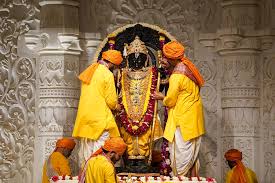
    In contemporary India, however, the distinction between the RSS and the BJP is often blurred in public perception. Bhagwat has repeatedly stated that the RSS does not seek political power and should not be equated with the BJP. Yet the BJP’s prolonged tenure under Narendra Modi has given rise to what critics describe as a “one man–one party” model, where political authority and electoral appeal are highly centralized around a single leader. Symbolism has reinforced this perception. When Bhagwat was seen standing behind Modi during the Pranaprathista of Lord Sriram at the Ram Temple in Ayodhya, many observers naturally assumed that Bhagwat stands behind Modi in all his actions and decisions. Such imagery strengthens the impression that ideological and political authority function in close alignment, even if institutional distinctions are formally maintained.

    This generates a fundamental tension. If “Sarvesham Avirodhena” calls for inclusiveness and accommodation, can it coexist with a political structure that appears increasingly centralized? Supporters argue that decisive leadership is necessary in a complex global environment. Critics counter that inclusiveness requires institutional pluralism, space for dissent, and broader participation in shaping national priorities.

    Bhagwat’s recent remarks have also addressed economic and intellectual concerns. He has expressed reservations about uncritical globalization and about the long-term implications of the Indo–US strategic and economic relationship. Observers debate whether such engagements enhance India’s autonomy or deepen structural dependencies. At the same time, Bhagwat has emphasized the urgency of building strong indigenous research ecosystems. Cultural confidence, in his view, must be matched by sustained investment in knowledge creation and innovation. However, India continues to invest less than one percent of its GDP in research and development, and the country lags significantly behind China in scientific and technological advancement.

    Ultimately, Bhagwat’s articulation suggests a vision rooted in cultural nationalism, social cohesion, character building, intellectual self-strengthening, and broad societal outreach. Yet the credibility of “Sarvesham Avirodhena” will depend not merely on its rhetorical appeal but on how effectively it addresses caste inequities, minority concerns, centralized political authority, research deficits, and strategic economic choices. India stands at a transitional juncture reminiscent of earlier periods of ideological debate and reform.

    The final and perhaps most consequential question, therefore, is whether the Rashtriya Swayamsevak Sangh under Bhagwat will actively shape this trajectory. Will it function primarily as a cultural and moral force, offering broad civilizational guidance while maintaining distance from day-to-day politics? Or will it intervene more directly in shaping policy priorities, influencing debates within the Bharatiya Janata Party, and moderating the balance between centralization and inclusiveness?

    If “Sarvesham Avirodhena” is to move beyond rhetoric, the RSS under Bhagwat may have to demonstrate through institutional conduct, public messaging, and social initiatives that inclusiveness is compatible with ideological conviction and strong leadership. Its engagement with questions of social harmony, minority outreach, caste reform, federal balance, and knowledge-driven development will be critical. In that sense, whether the RSS chooses to remain a guiding influence or becomes a more assertive actor may significantly shape how India’s democratic and civilizational journey unfolds in the decades ahead.

  • India Produces CEOs — So Why Not World-Class Universities?

    India’s higher education system stands at a strange crossroads. It is one of the largest in the world, enrolling more than 40 million students across over a thousand universities and tens of thousands of colleges. Yet, despite this vast scale, no Indian university has entered the top 100 of the QS World University Rankings 2026. The contrast is stark: institutions like the Massachusetts Institute of Technology, Imperial College London, Stanford University, University of Oxford and Harvard University continue to dominate the top positions, while India’s highest-ranked institution remains outside the elite bracket. This is not merely a matter of prestige; it reflects deeper structural weaknesses in research, academic culture, governance and integrity.

    For years, India has witnessed what the Yashpal Committee described as the “mushrooming” of higher educational institutions. The rapid proliferation of private and deemed universities has created an uneven landscape where expansion often precedes quality assurance. While private investment in education is not inherently problematic, the monetisation of degrees and dilution of regulatory scrutiny have led to a system increasingly driven by numbers—student intake, campus size, publication count—rather than substance.

    The obsession with quantity over quality is particularly visible in research. Faculty appraisals, accreditation metrics and institutional branding frequently rely on publication counts. Predictably, this has encouraged the growth of predatory journals, paper mills and unethical authorship practices. India produces a large volume of research output, yet much of it goes unindexed, uncited and unnoticed globally. Academic reputation cannot be manufactured through inflated numbers. It emerges from sustained, rigorous scholarship, peer recognition and intellectual honesty.

    The events at the 2026 India AI Impact Summit exposed this malaise in dramatic fashion. Galgotias University, a private university based in Greater Noida, showcased a robotic dog named “Orion” and presented it as an in-house innovation developed by its Centre of Excellence. Observers quickly identified the machine as a commercially available Chinese-made Unitree Go2 robot. What was claimed as indigenous innovation turned out to be a rebranded product. Following public backlash, the university was asked to vacate its stall. The episode was not just an embarrassment for the institution; it was emblematic of a deeper crisis in academic integrity.

    This was not merely a case of miscommunication. It reflected a troubling culture of spectacle over substance—where exhibitionism substitutes for research, and branding replaces originality. Even more concerning was that the university holds formal recognition and accreditation. The incident therefore raised uncomfortable questions about regulatory oversight and the credibility of quality assurance mechanisms. If institutions can publicly misrepresent commercial products as research achievements, what does that imply about internal review processes, faculty evaluation systems and research verification standards?

    Such episodes damage more than a single university’s reputation. They undermine confidence in the broader academic ecosystem and cast doubt on the authenticity of innovation emerging from India’s campuses. In a global environment where credibility is paramount, even isolated incidents can have disproportionate consequences.

    The crisis extends beyond private universities. Public institutions, including Delhi University and Jawaharlal Nehru University, often struggle with faculty shortages, regulatory micromanagement and constraints on academic autonomy. Academic excellence thrives on intellectual freedom—the freedom to question, dissent, experiment and critique. Without a protected “Socratic space,” universities risk becoming instruments of conformity rather than engines of innovation.

    The government’s recent push under the National Education Policy 2020 to internationalise higher education, including inviting foreign universities to establish campuses in India, is presented as a corrective measure. The logic is that global competition will raise standards and retain students who otherwise go abroad. While the entry of foreign institutions may offer new opportunities, it cannot substitute for systemic reform. Reputation cannot be imported. Research culture cannot be franchised. Institutional excellence requires long-term investment in faculty, laboratories, research funding and governance transparency.

    India’s research expenditure remains below 1% of GDP, far lower than that of leading knowledge economies. Faculty–student ratios remain unfavourable in many institutions due to mass enrolment without proportional recruitment. Graduate unemployment signals a misalignment between curriculum and employability. International students hesitate to choose India because of inconsistent quality, bureaucratic hurdles and limited post-study opportunities. These are structural challenges that branding exercises or regulatory tweaks cannot solve.

    The fundamental issue is not international rankings; it is credibility. Global citations, academic reputation and foreign student enrolment are outcomes—not starting points. They reflect the underlying health of an academic system. When plagiarism is normalised, when publication quantity outweighs research quality, when political conformity eclipses intellectual autonomy, and when institutions chase spectacle instead of scholarship, rankings merely mirror the reality.

    Yet the paradox persists. India has outstanding institutions like the Indian Institutes of Technology, Jawaharlal Nehru University, the Indian School of Business and the Delhi School of Economics. It has produced global leaders such as Satya Nadella and Sundar Pichai. If such excellence exists, why does the overall system still struggle to match the standards of leading universities abroad?

    The answer lies not in individual brilliance but in systemic structure. India has islands of excellence, not a uniformly strong academic ocean. Elite institutions admit the top fraction of students through fiercely competitive examinations. They function well because they select exceptional talent, attract relatively stronger faculty and receive better visibility and funding. But the broader ecosystem—thousands of universities and colleges—does not operate at that level. Global standards are determined by depth across tiers, not by a handful of elite outliers.

    The global success of figures like Nadella and Pichai reflects the strength of Indian talent. But their achievements were shaped by exposure to advanced research ecosystems, institutional autonomy and well-funded innovation environments abroad. Brilliant individuals can emerge from imperfect systems. Sustainable global academic reputation, however, requires robust institutions—equipped with research funding, intellectual freedom, ethical discipline and long-term vision.

    The Galgotias episode should therefore be read as a warning, not an anomaly. It illustrates what happens when numbers overshadow knowledge and image overshadows inquiry. If India aspires to become a genuine global education hub by 2047, as policy frameworks suggest, it must first address the foundations. Quality must precede quantity. Autonomy must accompany accountability. Research must value impact over volume. And merit must prevail over spectacle.

    There is no shortcut to academic reputation. It cannot be engineered through branding or borrowed prestige. It must be built patiently, through integrity, intellectual courage and sustained investment. Only then will India’s vast educational system match the brilliance of its people.

  • From Visakhapatnam to the World: India’s High-Stakes AI Gamble

    At the AI Impact Summit in New Delhi, Prime Minister Narendra Modi unveiled what he called the M.A.N.A.V. vision for artificial intelligence — moral, accountable, national, accessible and valid. It was a speech rich in symbolism and strategic intent. India, he argued, does not fear AI; it sees opportunity. It does not seek dominance; it seeks democratization. It does not want technological colonialism; it wants sovereignty with inclusivity.

    On stage were leaders such as Emmanuel Macron and Luiz Inácio Lula da Silva, alongside technology executives including Sundar Pichai and Sam Altman. The optics were deliberate. India was positioning itself as the democratic voice in an AI world increasingly defined by American corporate power and Chinese state-driven industrial strategy.

    Pichai, in particular, added a layer of emotional symbolism. Recalling his student days, he said he often took the Coromandel Express from Chennai to IIT Kharagpur, passing through Visakhapatnam — then “a quiet and modest coastal city brimming with potential.” “I never imagined Visakhapatnam would become a global AI hub,” he said. Today, he announced, Google’s full-stack AI hub in that very city as part of its $15 billion investment in India — housing gigawatt-scale compute and a new international sub sea cable gateway would deliver jobs and cutting-edge AI capabilities across the country.

    The message was powerful: global capital validating India’s AI rise. Yet the summit also exposed the widening gap between hype and structural reality.

    India today is one of the largest AI user markets in the world. Its 1.4 billion citizens rely deeply on digital infrastructure provided by foreign platforms — primarily Google, Microsoft and Meta. It is difficult to imagine the economic and social paralysis that would follow if YouTube, Android services, cloud infrastructure or major social media platforms were suddenly withdrawn. India is among their largest markets, generating billions in advertising, subscription and data-driven revenues. Yet the core technological layers — GPUs, advanced semiconductors, frontier models — remain largely outside Indian ownership.

    This dependency has prompted calls for more aggressive policy responses. One suggestion gaining quiet traction is the idea of a stronger digital tax regime. If India does not own the GPUs, the chips or the core models, the argument goes, it must at least capture a fair share of the value generated from its data and user base. A digital tax could be framed not as protectionism, but as reinvestment capital — a mechanism to fund domestic compute clusters, semiconductor initiatives and sovereign research programs.

    The contrast with China is frequently invoked in this debate. Beijing did not allow American search engines and social networks to dominate its domestic market during the first wave of the internet revolution. It built domestic equivalents and protected them through regulatory firewalls. In the current AI wave, China has again pursued vertical integration — investing in rare earth supply chains, semiconductor fabrication, data centers and foundational AI research. Companies such as Unitree Robotics, whose Unitree Go2 robotic dog was controversially displayed at the summit expo under the label “Orion,” represent not merely startups but components of a broader industrial strategy.

    India’s model has been different — open markets, global integration, and a focus on services and SaaS. But SaaS dominance in a pre-AI era may not guarantee relevance in a post-AI world. As generative AI begins to automate coding, workflow management and enterprise solutions, many application-layer companies face margin compression. Unlike China with ByteDance’s TikTok or the United States with YouTube, India does not possess a globally dominant consumer tech brand at comparable scale. Its strength has been backend services, not platform ownership. If AI collapses the value of application wrappers built atop foreign models, India’s current comparative advantage could narrow significantly.

    Another structural vulnerability is brain drain. A disproportionate number of leading AI researchers and engineers of Indian origin work in American firms and research labs. While this diaspora influence enhances India’s soft power, it also reflects a domestic ecosystem that has not yet retained frontier talent at scale. When the core breakthroughs happen in Silicon Valley rather than Bengaluru, sovereignty becomes aspirational rather than operational.

    These tensions surfaced dramatically in the controversy surrounding the summit expo. The Opposition Leader Rahul Gandhi described the event as a “disorganised PR spectacle,” accusing the government of allowing Indian data to be showcased while Chinese hardware was presented as domestic innovation. He argued that instead of leveraging India’s talent and data power, the government had reduced AI to optics, even inviting mockery from foreign media. Whether exaggerated or not, the symbolism was politically potent: in a domain framed around sovereignty, authenticity matters.

    Yet dismissing the summit entirely as spectacle would also be simplistic. India does possess foundational assets that few nations can match: scale, digital public infrastructure, a vast multilingual dataset, and geopolitical positioning between the United States and China. Aadhaar-linked systems, UPI’s payments architecture and digital governance layers create a test-bed environment for AI deployment at population scale. Few democracies can integrate AI into welfare delivery, financial inclusion and public services as rapidly.

    The central question, then, is not whether India is leading AI today. It clearly does not control the foundational layers at the scale of the United States or China. Nor does it have the industrial depth that Beijing built over decades through coordinated state policy. The real question is whether India can convert its demographic scale and digital footprint into long-term technological autonomy.

    Modi’s MANAV framework articulates a moral and strategic ambition — sovereignty without isolation, democratization without dependency. Pichai’s Visakhapatnam announcement underscores both the promise and the paradox: global investment flowing in, yet foundational infrastructure still foreign-owned. Sovereignty in AI is measured not by summit declarations, but by ownership of compute, chips, research and platforms. If India remains reliant on American cloud infrastructure and imported GPUs, the rhetoric of independence will face credibility tests. If domestic initiatives — semiconductor manufacturing, sovereign language models, and public-private R&D collaborations — scale meaningfully, the narrative could solidify into substance.

    Hype is not inherently deceptive; it is often a political tool to mobilize investment and confidence. But hype must be matched with institutional follow-through. A digital tax regime, serious capital infusion into domestic compute, retention of AI talent, and creation of globally competitive consumer platforms would signal that the ambition is structural, not symbolic.

    India stands at an inflection point. It can continue as the world’s largest AI user market — influential, visible and profitable for foreign firms — or it can leverage this moment to deepen industrial capacity and strategic autonomy. The MANAV speech set the tone. The coming decade will determine whether it becomes a blueprint for sovereignty or a chapter in political theatre.

  • How Many Epsteins Walk Among Us?

    Within two days of U.S. Attorney General Pam Bondi announcing that all files related to Jeffrey Edward Epstein—who committed unheard-of atrocities—had been released, President Donald Trump declared that his innocence had been proven and that he had no connections whatsoever with the criminal. Although Trump’s name reportedly appeared 38,000 times in these files, the U.S. Department of Justice also clarified that the mere mention of names does not mean that everyone referenced had any involvement in Epstein’s heinous crimes.

    There may continue to be numerous rumors on social media for some time regarding the names found in Epstein’s emails and the various photographs circulating online. However, strong efforts are underway to draw a curtain over the Epstein episode that shook not only the United States but many other countries as well. In fact, when Epstein was found dead in a U.S. jail in 2019, it seemed as though a major act in the effort to whitewash his crimes had concluded. With the U.S. Justice Department stating that it had nothing further to disclose about Epstein’s connections with top leaders of major American parties, as well as numerous global leaders, business magnates, and prominent individuals, many must have breathed a sigh of relief. How could they welcome the exposure of the rot within the world’s financial systems and the filth embedded in political structures that might engulf them?

    Many of Prime Minister Narendra Modi’s opponents believed that the release of the Epstein files could pose a threat to his government as well. However, it turned out to be a storm in a teacup. Apart from a mention in emails that Modi traveled to Israel for work related to Trump, there was no other reference to him. As for Union Minister Hardeep Singh Puri, though his name reportedly appeared several times, no evidence was found suggesting his involvement in Epstein’s criminal activities. Puri maintains that he became acquainted with Epstein while working with an international peace organization, where Epstein was part of a delegation, and that he later sought his assistance in matters beneficial to India. After retiring from India’s Ministry of External Affairs in 2013, Puri was appointed to the Union Cabinet in 2019. If Prime Minister Modi entrusted the former diplomat with key responsibilities, it is not an exaggeration to assume that Puri must have rendered services beneficial to India on the international stage.

    What does the Epstein affair tell us? It makes clear that the rule of law is not equal—not only in India but anywhere in the world. It reveals that there is perhaps no place where justice is dispensed equally to all, irrespective of wealth, influence, or social standing, and that institutional weaknesses exist everywhere in the investigative process. The growing tendency to commit grave crimes while disregarding the criminal justice system—backed by financial power and political clout—poses a major challenge to modern legal systems.

    Although allegations that Epstein was involved in the trafficking of minor girls surfaced as early as 2005, the American legal system did not take them seriously. When he was arrested in 2008, Epstein accepted the charges against him, thereby securing a reduced legal process. The system appeared to acquiesce to his efforts to mitigate the severity of prosecution. Even during the few months he was in custody, he allegedly continued his illegal activities through his influence, with authorities turning a blind eye. Following renewed allegations and the anguished cries of victims, the case was reopened after 11 years in 2019, and he was arrested again. Within days of that arrest, Epstein died under suspicious circumstances in jail; it was officially ruled a suicide. Owing to media reports and public demand, the Epstein files were released, and the names of many powerful figures surfaced, causing a sensation.

    The tragic reality is that the world is filled with such Epsteins. Exploiting loopholes in political and economic systems, individuals like him rise as influential figures. Though he had no notable academic credentials and once worked as a teacher, Epstein was worth 600 million dollars at the time of his death. He owned the largest private mansion in New York City, two islands, homes in New Mexico and Paris, numerous cars, private aircraft, and substantial investments in several companies. How did all this wealth accumulate?

    Epstein cultivated relationships with U.S. Presidents Trump, Biden, and Clinton; billionaires Elon Musk and Bill Gates; Melania Trump; as well as numerous heads of state, business leaders, and senior officials worldwide. At least a hundred political leaders from various countries, senior diplomats, over 200 billionaires, and corporate chiefs were said to have fallen into his web. He funded public representatives, lawyers, and even media organizations. He provided financial support to universities and research institutions. Even progressive intellectual Noam Chomsky was among those who received his patronage. Epstein flew many individuals on his private jets and hosted others at his Palm Beach mansion in luxury. He not only sexually abused numerous young women and minor girls but also used them to entrap prominent figures. By financing political leaders across several European countries, he reportedly influenced their political systems. Once connections with him were exposed, major figures in ten countries resigned. Diplomats and ministers stepped down in multiple nations. Some expressed regret; most remained silent. “Documents may fuel rumors, but cases cannot be built solely on them,” remarked an American legal expert. The entire episode exposed the nexus between politicians, criminals, and major business magnates. It demonstrated that brokers and intermediaries often determine the dynamics of political and economic systems.

    Do we not have brokers here? The late Prime Minister P. V. Narasimha Rao briefly alluded, in his novel The Insider, to the role played by brokers in the streets of Delhi, in the Prime Minister’s Office, other ministries, and party offices, including the presence of women in such networks. A report prepared by the Central Vigilance Commission during the Vajpayee era about the influence of middlemen in defense procurements was never made public. Although the Commission suggested legalizing intermediaries, who would be willing to transparently disclose financial transactions?

    Global capitalism operates largely through wealth, social connections, and political networks. Power often flows not through official positions but through networks. In our country too, networks and lobbying are used to settle cases, transfer illicit funds abroad, and secure advantages for big business houses. Sponsorships, sexual favors, expensive gifts, and banquets in luxury hotels are common in this process, all under the guise of development. Leaders show little discretion about whom they elevate. Tragically, these brokers sometimes appear openly—and are even helped by political leaders to become members of legislative bodies.

    According to Transparency International, India ranks 91st out of 182 countries in corruption. As per the National Crime Records Bureau, one girl goes missing every eight minutes. The Supreme Court of India has also expressed serious concern about sex trafficking and child exploitation in the country. Does this not reveal how our systems function? Do political leaders who speak grandly about Sanatana Dharma, tradition, Ram Rajya, patriotism, and righteousness practice honesty, transparency, and accountability? Are investigative agencies and judicial processes functioning properly? Are systems protecting those who abide by the law? Above all, are moral standards being upheld?

    In the United States, at least under public pressure, documents related to a depraved individual were made public. In our country, who will discuss such grave secrets?

  • Telangana Checkmates BJP

    It was reported in the media that on December 11, 2025, Prime Minister Narendra Modi, in a review meeting with his party leaders, expressed dissatisfaction with the performance of BJP MPs from Telangana. The meeting appears to have conveyed a clear message to Telangana BJP leaders: set aside internal differences, work as a united team, strengthen grassroots outreach, and make better use of social media to improve the party’s prospects in the state. Modi is said to have remarked that although the party has strong potential in Telangana, leadership weaknesses and internal factionalism are weakening it. Despite having eight MPs and two Union Ministers, the party has not effectively played the role of a strong opposition, he reportedly observed.

    But what happened in the recent municipal elections held for seven corporations and 116 municipalities in Telangana? The BJP, which emerged as the single largest party in neighbouring Maharashtra elections, secured third place in Telangana with just 15.68 percent of the votes. With eight MPs — half of the total Lok Sabha seats from the state — and an equal number of MLAs, the party won only 259 wards and not even a single municipality. The saffron party’s performance in other municipalities falling under the Lok Sabha constituencies represented by its MPs has been dismal. Though the BJP has the potential to grow in Telangana, especially after its good Lok Sabha results, it has not fully capitalized on the opportunities. However, strong local leaders have made some difference in places like Karimnagar and Nizamabad, but this will not be sufficient to give a tough fight in the next Lok Sabha elections.

    The municipal results followed strong performances in recent Panchayat elections, where Congress-supported candidates secured approximately 66 percent of Gram Panchayats statewide. In an Assembly segment-wise analysis, Congress secured majorities in 68 out of 81 constituencies where municipal elections were held. After forming the government on December 7, 2023, Congress also won the Cantonment by-election and the Jubilee Hills by-election. This indicates that both urban and rural voters are increasingly supporting Congress.

    The credit goes to Mr. Revanth Reddy, the Chief Minister of Telangana, who has been able to stop the juggernaut of the BJP in the state, despite the Prime Minister himself showing keen interest in Telangana. Under his leadership, the Congress party has demonstrated its strength convincingly. These elections were held at a time when there was widespread speculation in political circles that public dissatisfaction with the Revanth Reddy government was growing. The principal opposition, BRS, had been strongly criticizing the government and claiming that its end was near. Given that the government had completed two years, interest in the municipal results was high, and doubts were raised about Congress’ prospects.

    However, contrary to predictions, Congress performed well. Though leaders like KTR may not acknowledge the importance of the results, it is significant for a party like Congress, which is often known for internal dissent, to achieve this level of success. Revanth Reddy’s strategy ensured favorable outcomes across both North and South Telangana. Districts like Nizamabad, Adilabad, and Karimnagar, previously considered strongholds of BJP and BRS, saw gains for Congress. Even in his home district of Mahabubnagar, where BRS appeared strong, Congress made inroads.

    The Congress party attributes its success to development and welfare initiatives under Chief Minister Revanth Reddy, such as ₹17,000 crore spent on urban development, 200 units of free electricity for poor families, free RTC bus travel for women, issuance of 30 lakh ration cards, expansion of Rajiv Aarogyasri coverage from ₹5 lakh to ₹10 lakh, construction of 3,500 houses per constituency, and the Young India Integrated Schools initiative.

    Apart from its socio-economic agenda, it seems that Revanth Reddy adopted a clever strategy of not completely annihilating the BRS. He understands that if the BRS is finished, it would create space for the BJP to rise. He instead put the BRS on the defensive by exposing alleged corrupt practices such as the Kaleswaram project and the telephone tapping controversy. It is a strategy similar to the one adopted by KCR a few years ago, when he allowed the BJP to rise after sensing that Revanth Reddy was gaining momentum in the state as a Congress leader.

    The Telangana setback for the BJP has come at a time when the party is facing pressure from opposition parties at the national level over issues such as General Naravane’s book, Indo-US trade matters, and elections in five states. The political graph of Narendra Modi appears to be facing challenging weather, and the Modi-Shah duo are trying their best to prevent it from declining.

    Revanth Reddy has shown the Congress party a path forward. The Congress should not confine itself to parliamentary tactics alone; it must reach out to the people on issues such as farmers’ concerns, price rise, and unemployment, and strengthen the party at the grassroots level.