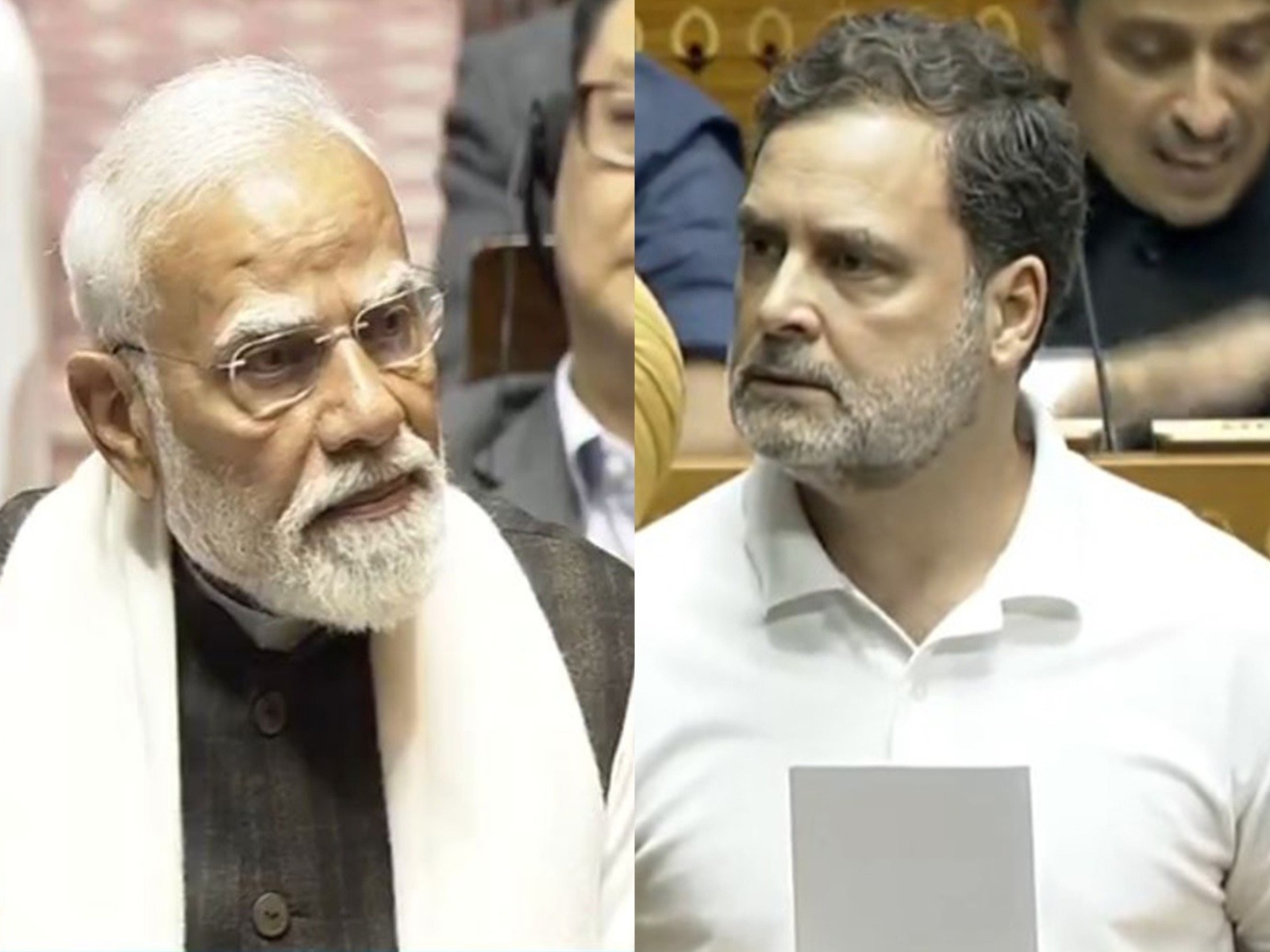
The failure of the Constitution (131st Amendment) Bill, 2026 marks a significant political and constitutional moment. It demonstrates that even a strong executive cannot always secure its will, and that institutional checks within India’s parliamentary system remain robust. For Prime Minister Narendra Modi, whose style of governance has often been described as decisive and minimally consultative, this episode represents a rare but important setback.
The Bill, widely expected to pass, fell short of the required two-thirds majority. While 298 members voted in favour and 230 against, it did not meet the threshold of 352 votes out of the 528 members present and voting. In response, the government chose to shelve not only the amendment but also the Delimitation Bill and the Union Territories Laws (Amendment) Bill, arguing that these measures were interconnected. Notably, this is the first time in over a decade in power that such a major legislative initiative has been blocked.
The Opposition’s coordinated resistance played a crucial role. What initially appeared to be a foregone conclusion turned into a rare moment of unity among diverse political parties. Critics argue that the government’s approach itself contributed to this consolidation, as a top-down style of decision-making left little room for dialogue or consensus-building.
Rahul Gandhi sharpened the political attack by likening the Prime Minister to a “magician” who had been “caught,” suggesting that the push to expand the Lok Sabha was driven by political calculations rather than genuine reform. According to the Opposition, the proposal sought to reshape India’s electoral map while simultaneously projecting a pro-women image through the reservation component.
This episode raises a broader question: can strong, centralized leadership consistently deliver effective governance? While such leadership can accelerate decision-making, it may also limit consultation and erode consensus. The perception of “bulldozing” policies—whether accurate or not—can undermine democratic legitimacy. At the same time, it is important to recognize that this pattern is not unique to the current government. Indian political history offers several examples of unilateral decision-making, from the Emergency under Indira Gandhi to the Shah Bano legislation under Rajiv Gandhi.
The proposal to introduce 33% reservation for women in legislatures is, in itself, a landmark reform. It addresses a long-standing structural imbalance in political representation and has the potential to significantly enhance women’s participation in governance. However, the timing and method of its introduction have raised legitimate concerns. Convening a special session of Parliament during ongoing assembly elections, rather than building broader consensus, invited suspicion about political motives.
From an electoral perspective, the move is understandable. Women voters now constitute a decisive segment of the electorate, often turning out in greater numbers than men. Welfare policies targeting women have already proven electorally effective across several states. Expanding political representation could further consolidate this support. Even opposition resistance could be framed politically to mobilize women voters in favour of the ruling party.
Yet, the linkage of women’s reservation with delimitation proved to be the most contentious aspect. Home Minister Amit Shah attempted to reassure critics by offering verbal guarantees that southern states would not lose proportional representation in an expanded Lok Sabha. He even proposed a temporary pause to revise the Bill. However, the Opposition rejected these assurances, pointing out that such safeguards were absent from the Bill’s text.
As drafted, the proposal relied on the 2011 Census for delimitation, which would likely reduce the representation of states with lower population growth—particularly in southern and northeastern India—while increasing the share of the Hindi heartland. This raised serious concerns about federal balance and fairness.
The urgency with which the government pursued the amendment further fueled criticism. With the 2026–27 Census still underway, many questioned the need to rush such a significant constitutional change. Linking a broadly supported reform like women’s reservation with a highly divisive issue like delimitation was seen by critics as a strategic miscalculation.
The Opposition’s unified stance, particularly within the INDIA bloc, proved decisive. Parties such as the Congress, Trinamool Congress, DMK, and the Left coordinated effectively, setting aside differences. In contrast, regional parties like the TDP and AIADMK faced criticism for supporting the Bill based on assurances rather than textual guarantees, despite potential implications for their states.
The defeat of the Bill has been framed by the Opposition as a victory for constitutional principles. Rahul Gandhi described it as a rejection of an “attack on the Constitution,” while Priyanka Gandhi Vadra emphasized the importance of separating women’s reservation from delimitation. These reactions highlight the broader political narrative that has emerged from the episode.
Procedurally, the outcome underscores the strength of constitutional safeguards. Amendments of this nature require not only a majority of the total membership but also a two-thirds majority of members present and voting, along with ratification by at least half of the state legislatures in certain cases. These high thresholds are designed to ensure that major structural changes are enacted only with broad consensus—and in this instance, that safeguard functioned as intended.
Looking ahead, the proposal to expand the Lok Sabha remains contentious. Critics argue that such a move, especially if based on outdated Census data, risks deepening regional imbalances and straining the federal structure. While women’s reservation enjoys wide support, delimitation is likely to remain a politically sensitive and divisive issue.
Ultimately, the episode highlights a fundamental principle of democracy: process matters as much as outcome. Even well-intentioned reforms can lose legitimacy if they are perceived as unilateral or politically driven. The challenge for any government lies not only in pursuing reform but in building the consensus necessary to sustain it.


Leave a Reply